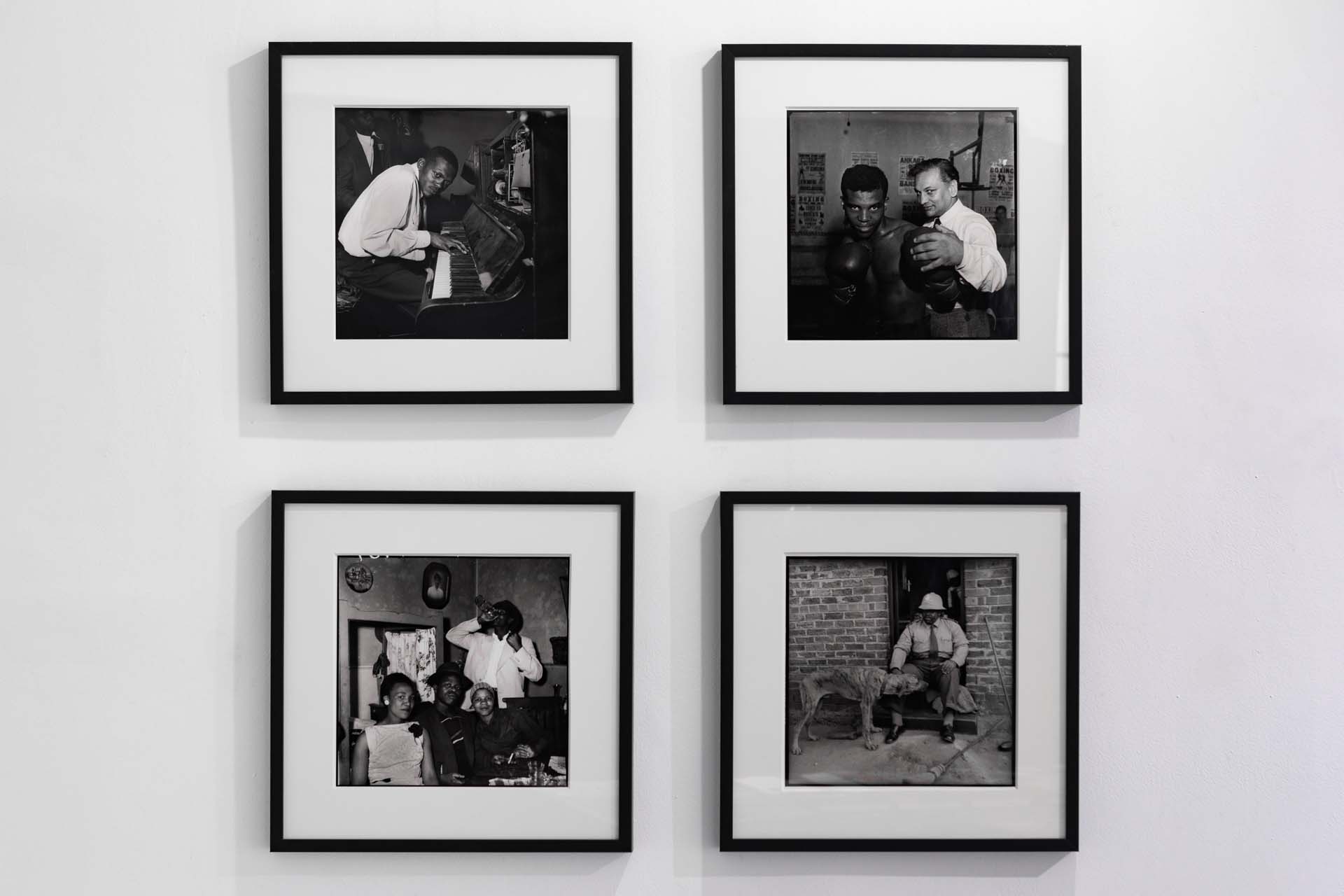
THE SPIRIT OF REVUE NOIRE
A FOUNDING
COLLECTION
26.11.2022 - 06.05.2023
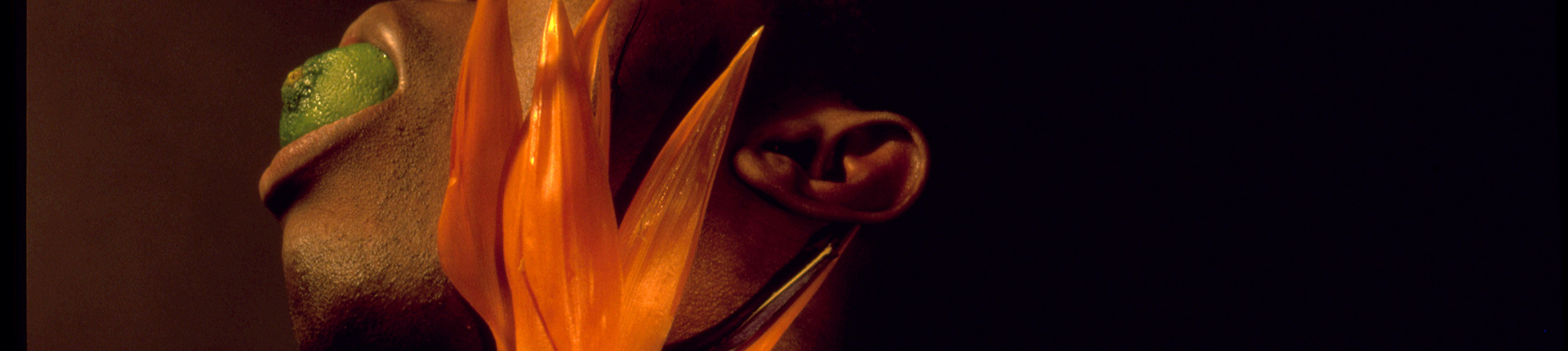
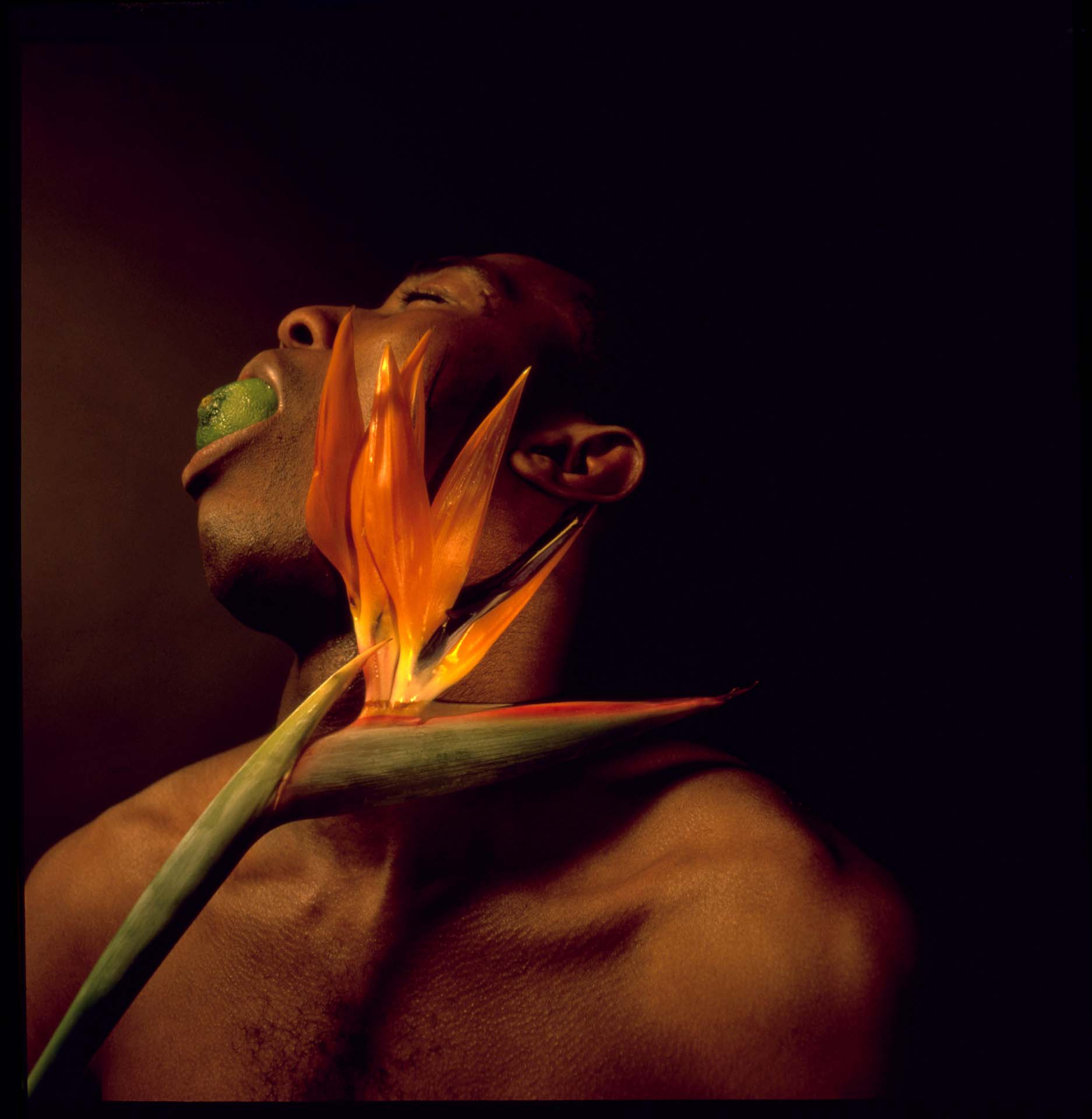
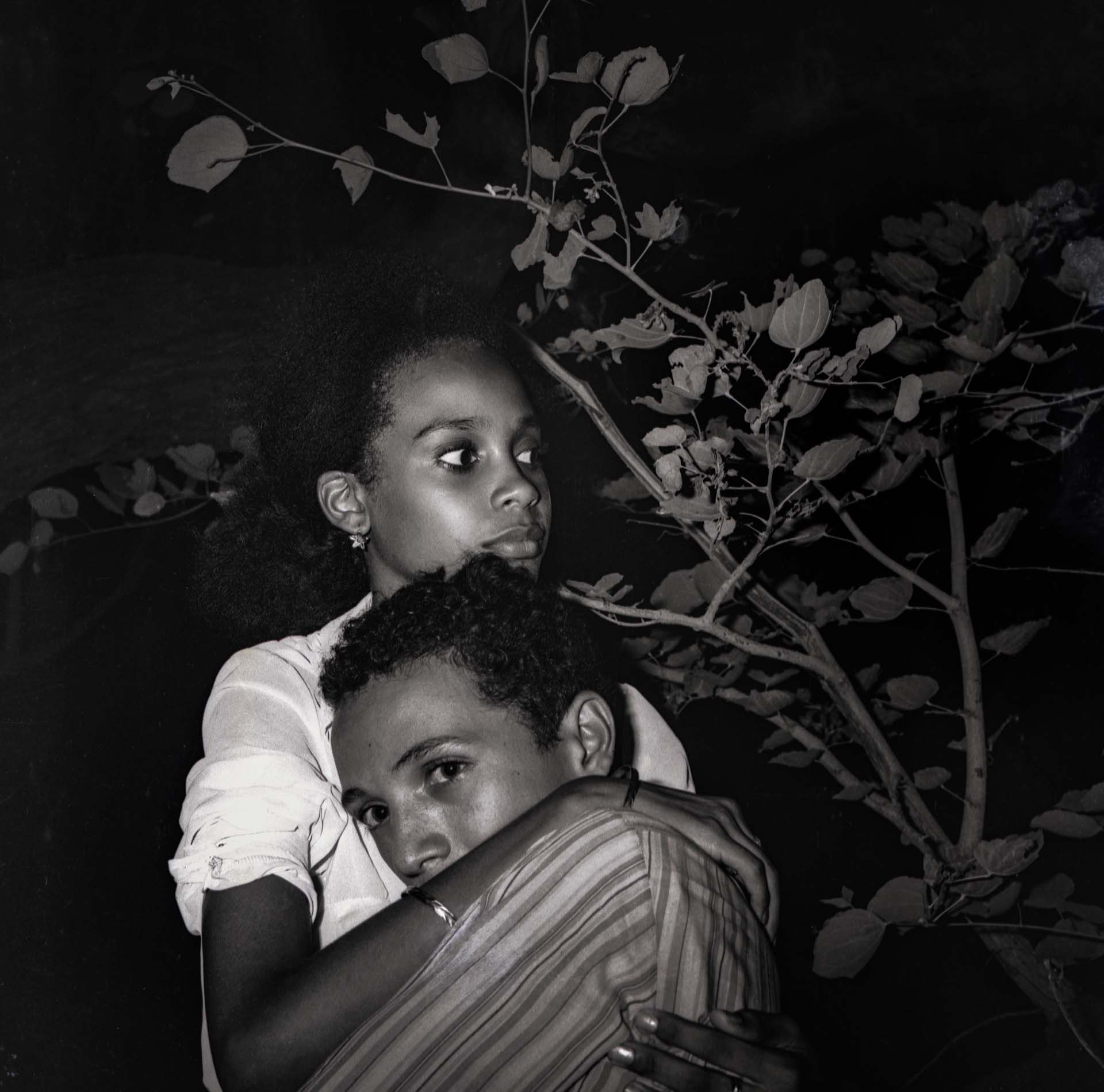
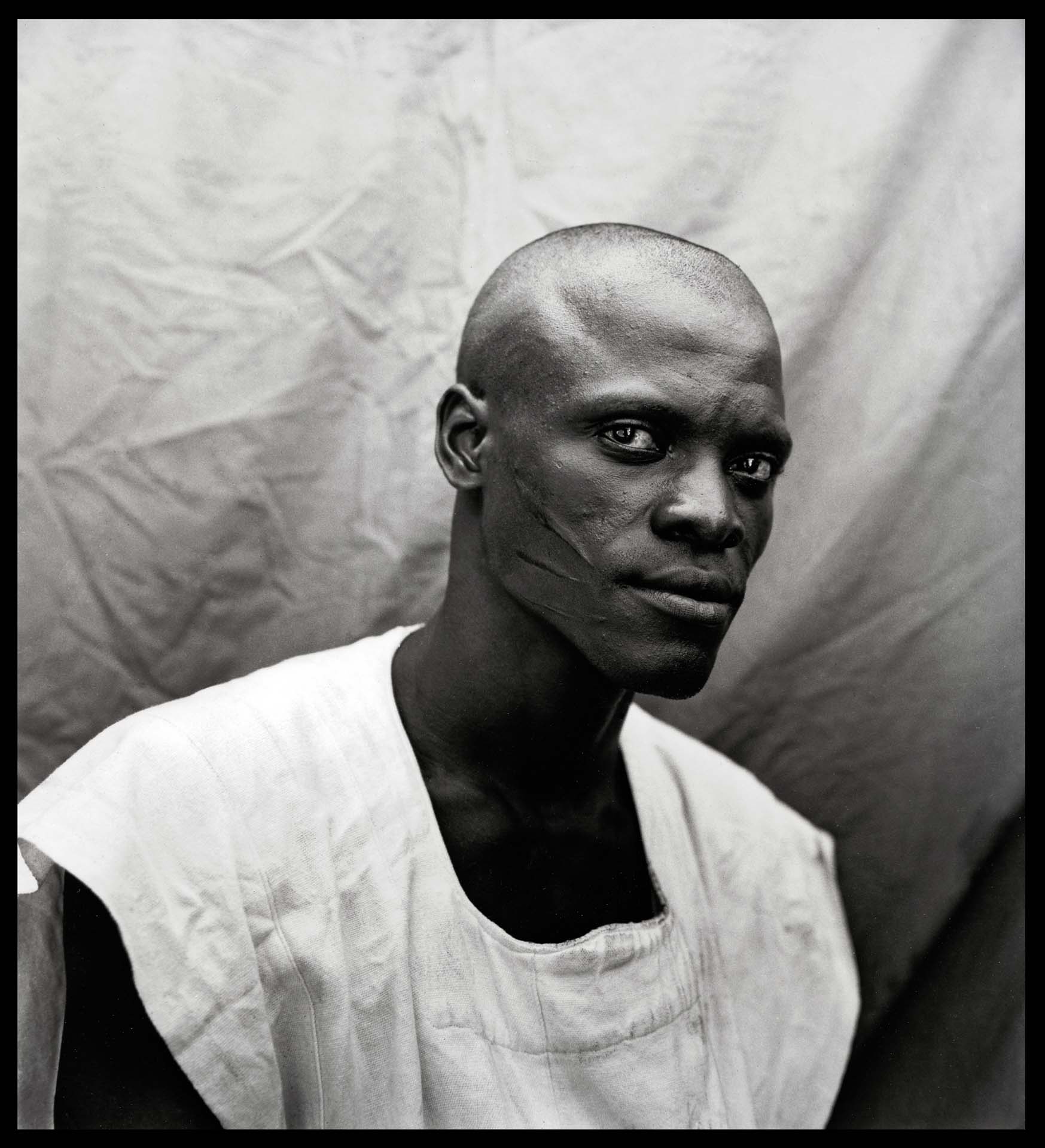
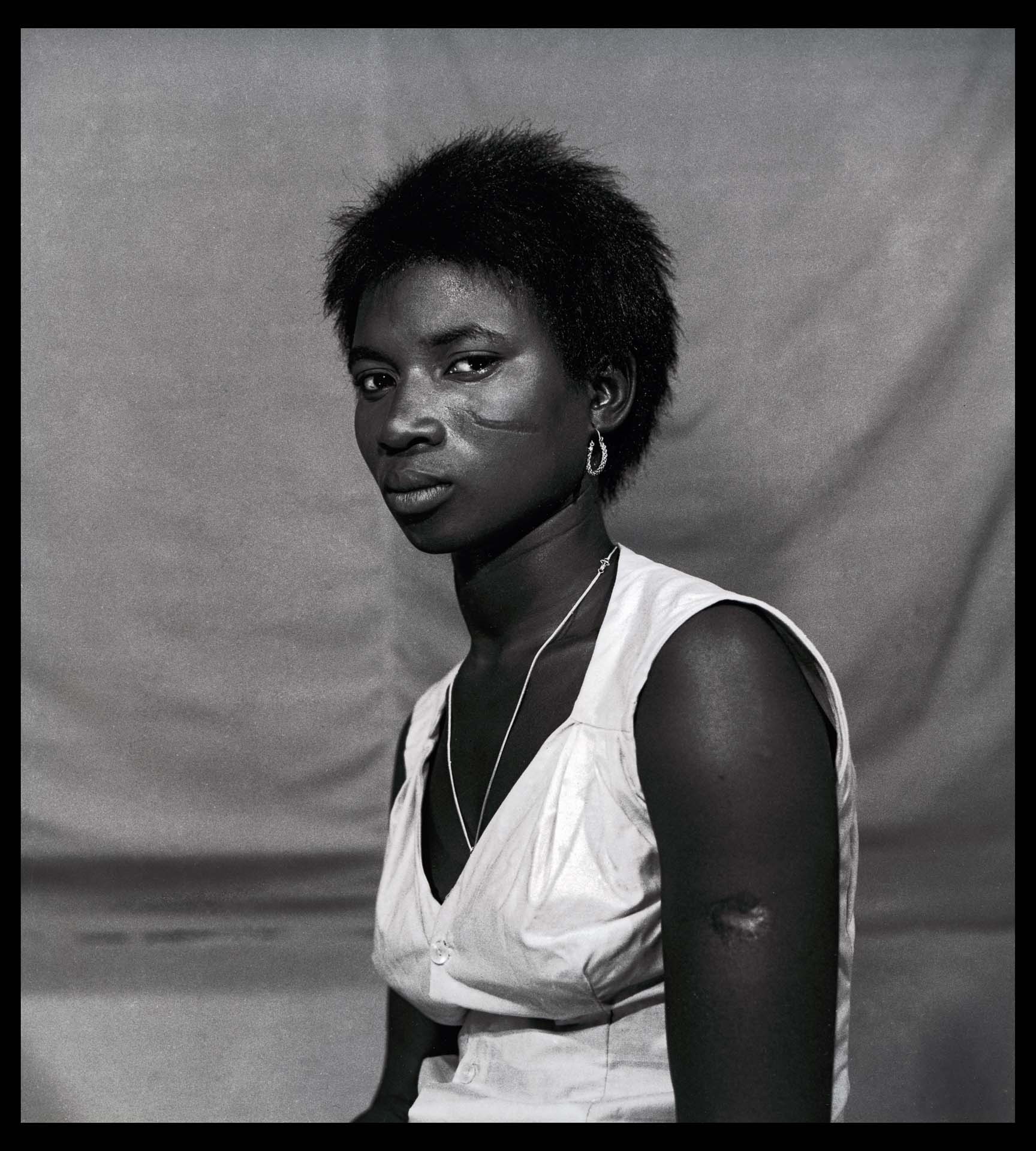
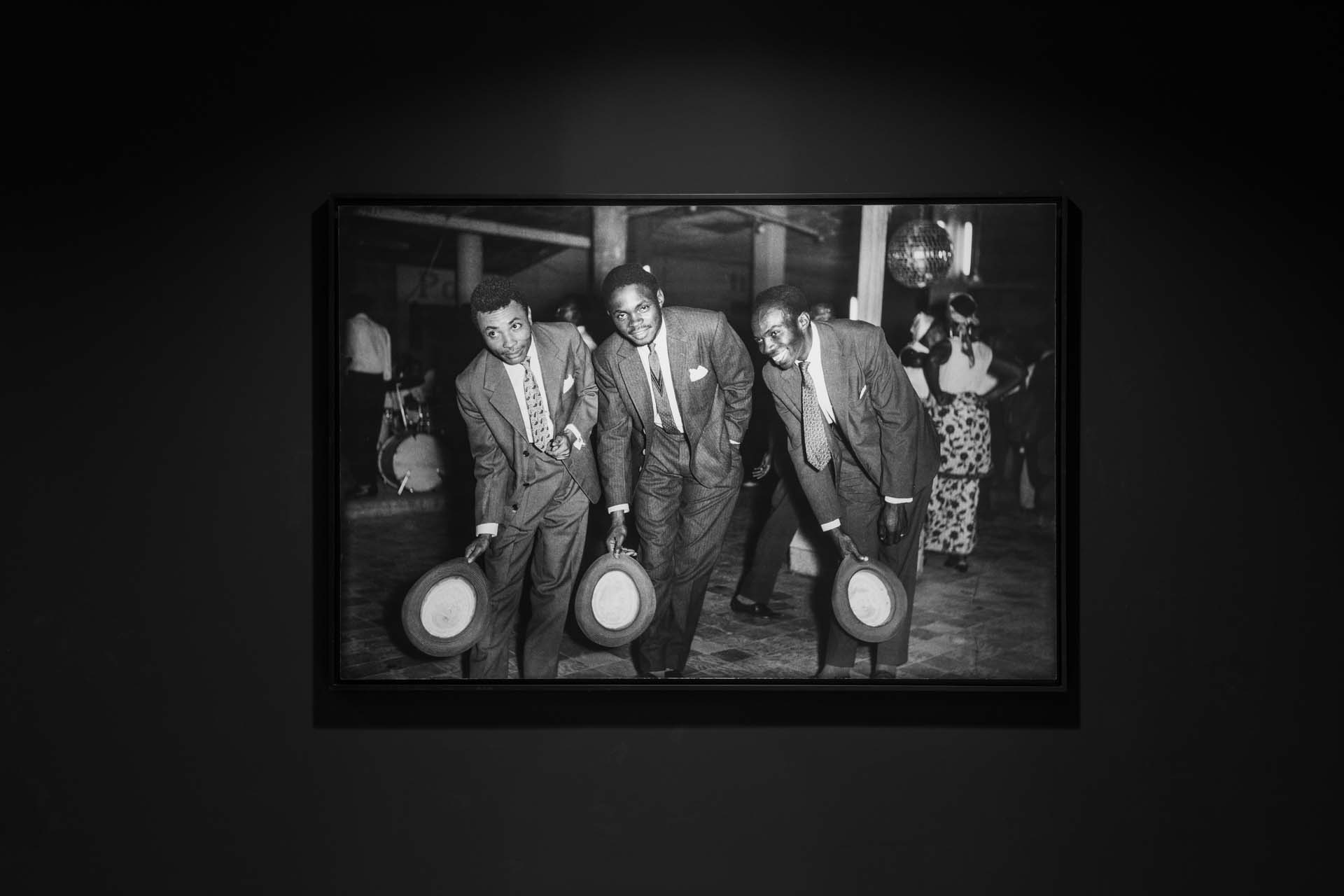
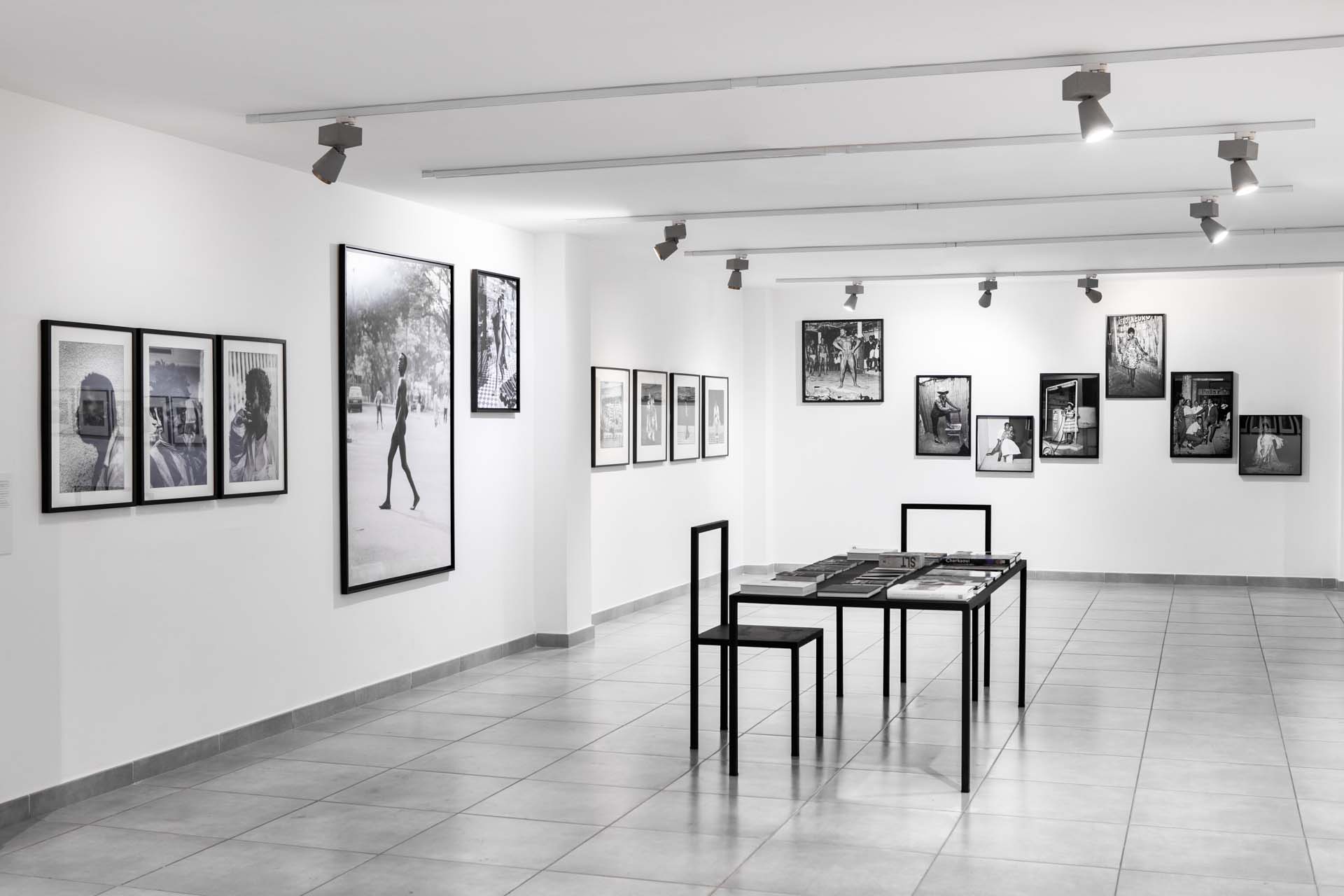
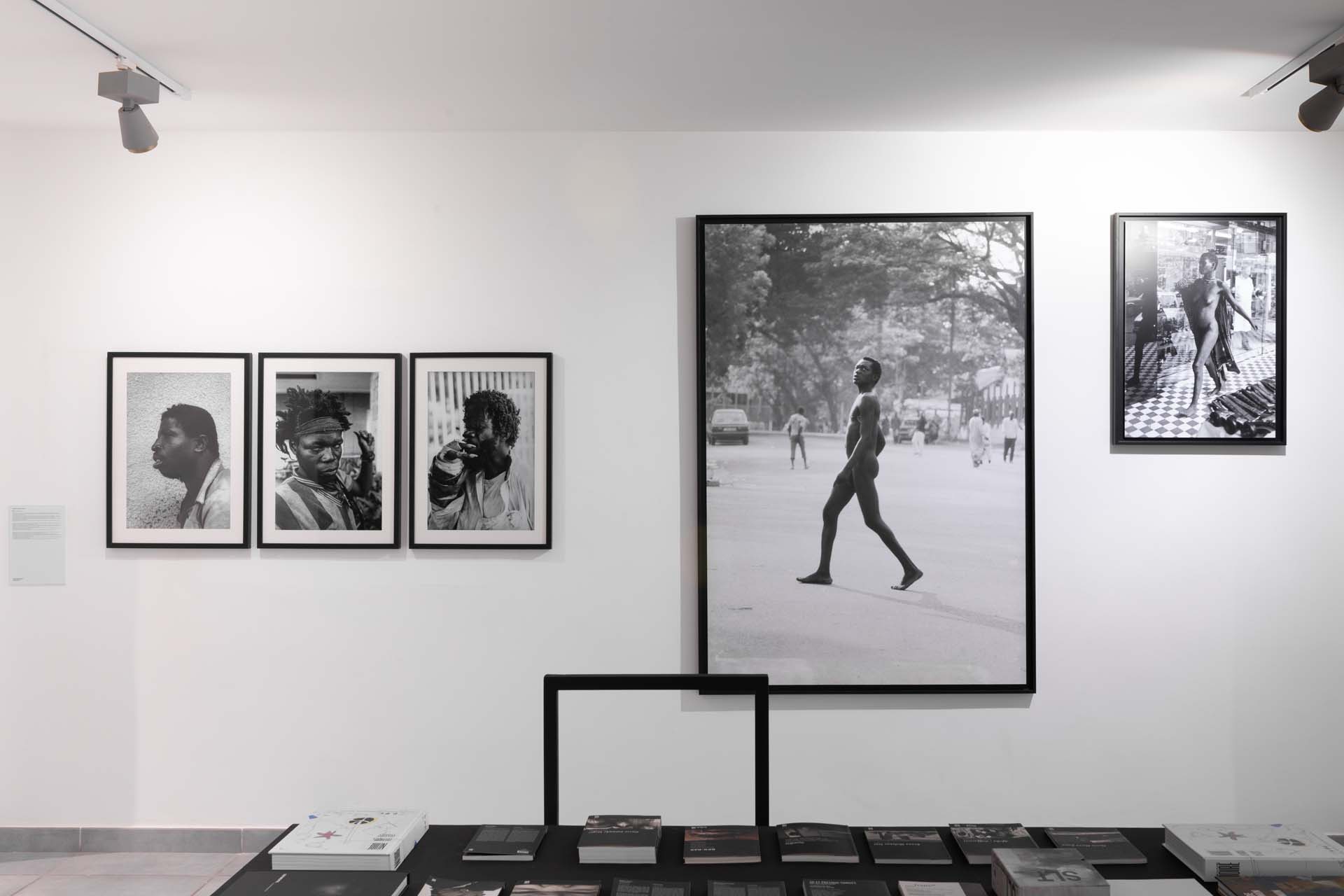
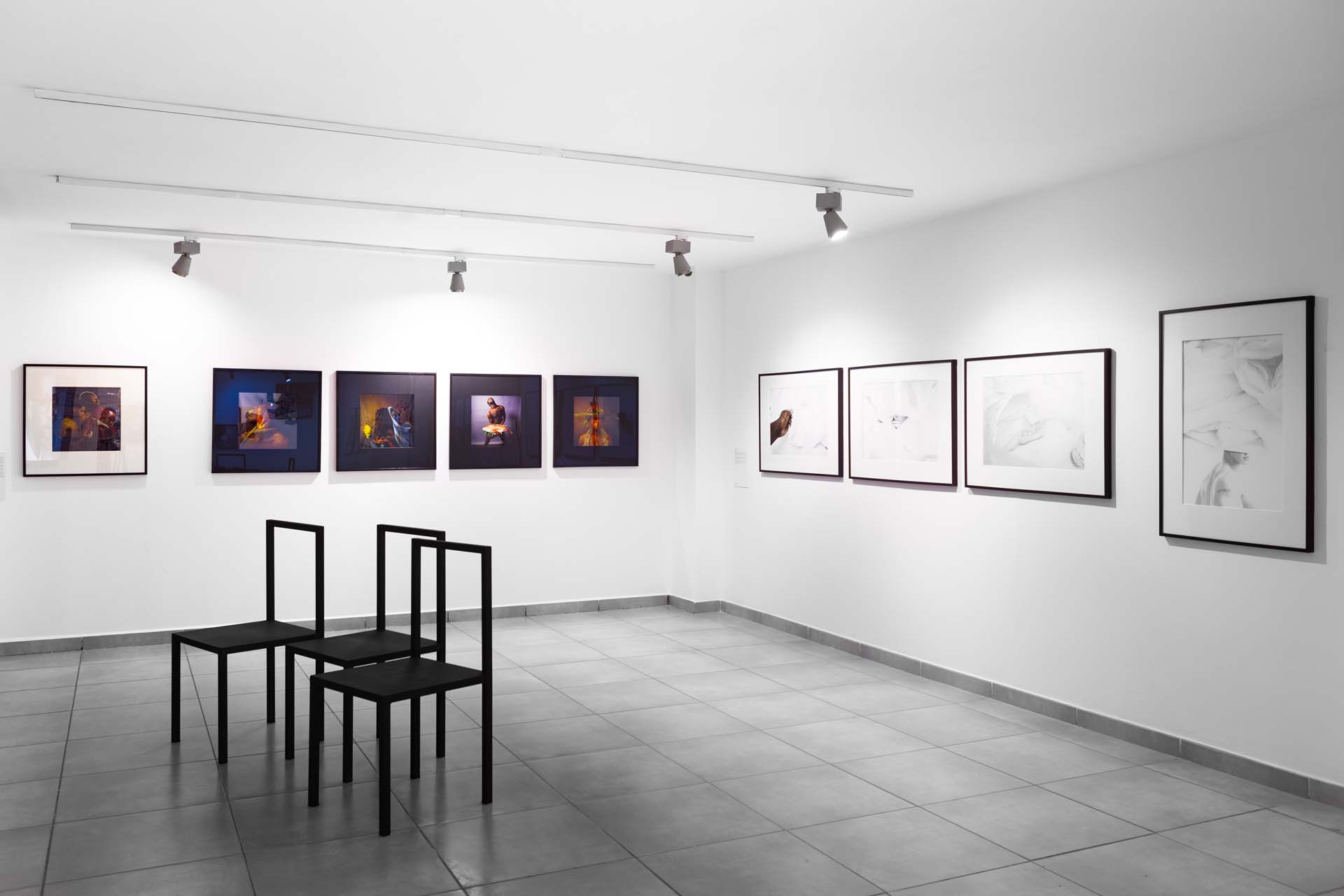
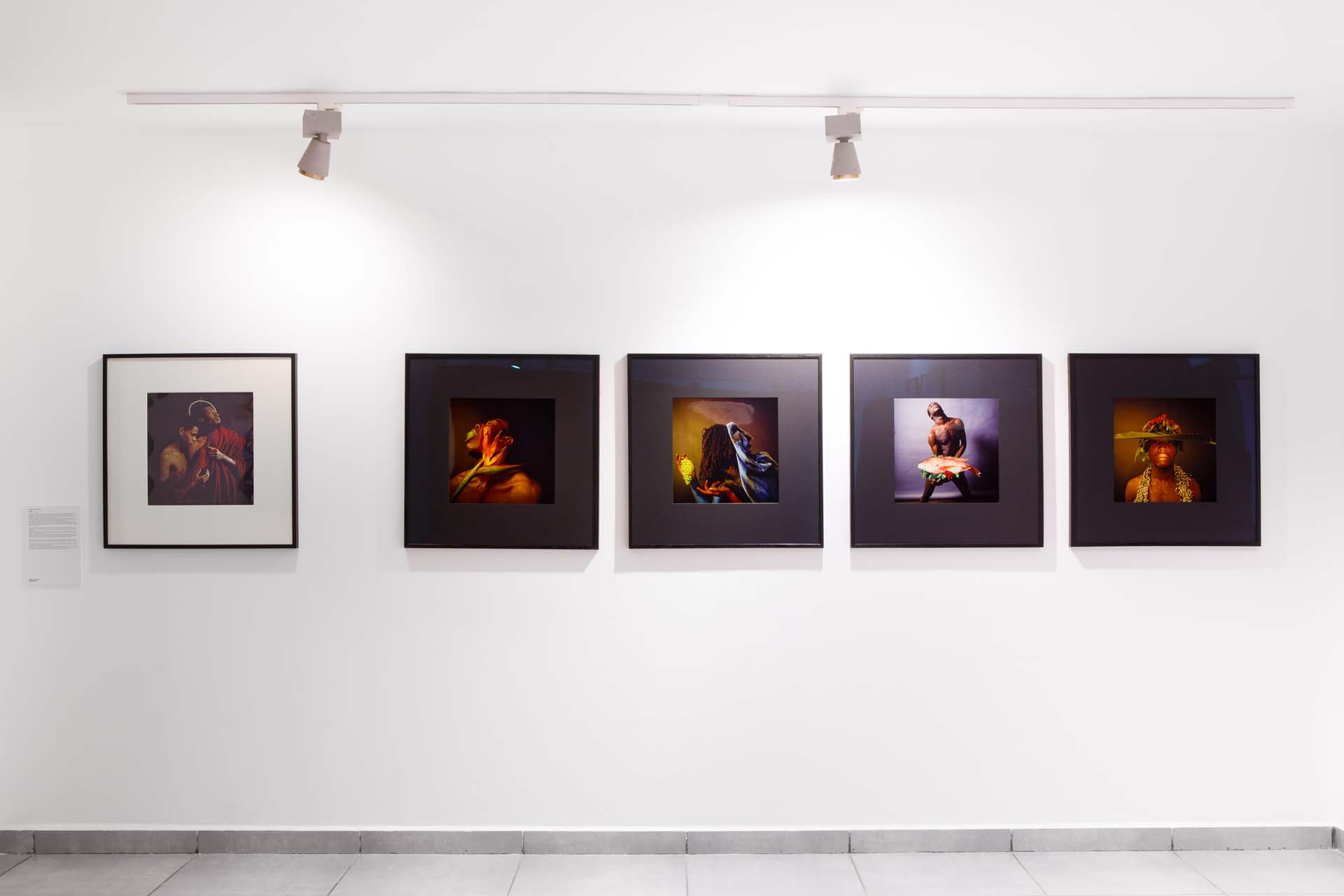
Nothing To Lose Ii . Bodies Of Experience . 1989 . Rotimi Fani-Kayode . Esprit Revue Noire Une Collection Fondatrice . 2022 . Courtesy of Revue Noire
Curated by Jean Loup Pivin . Pascal Martin Saint Leon
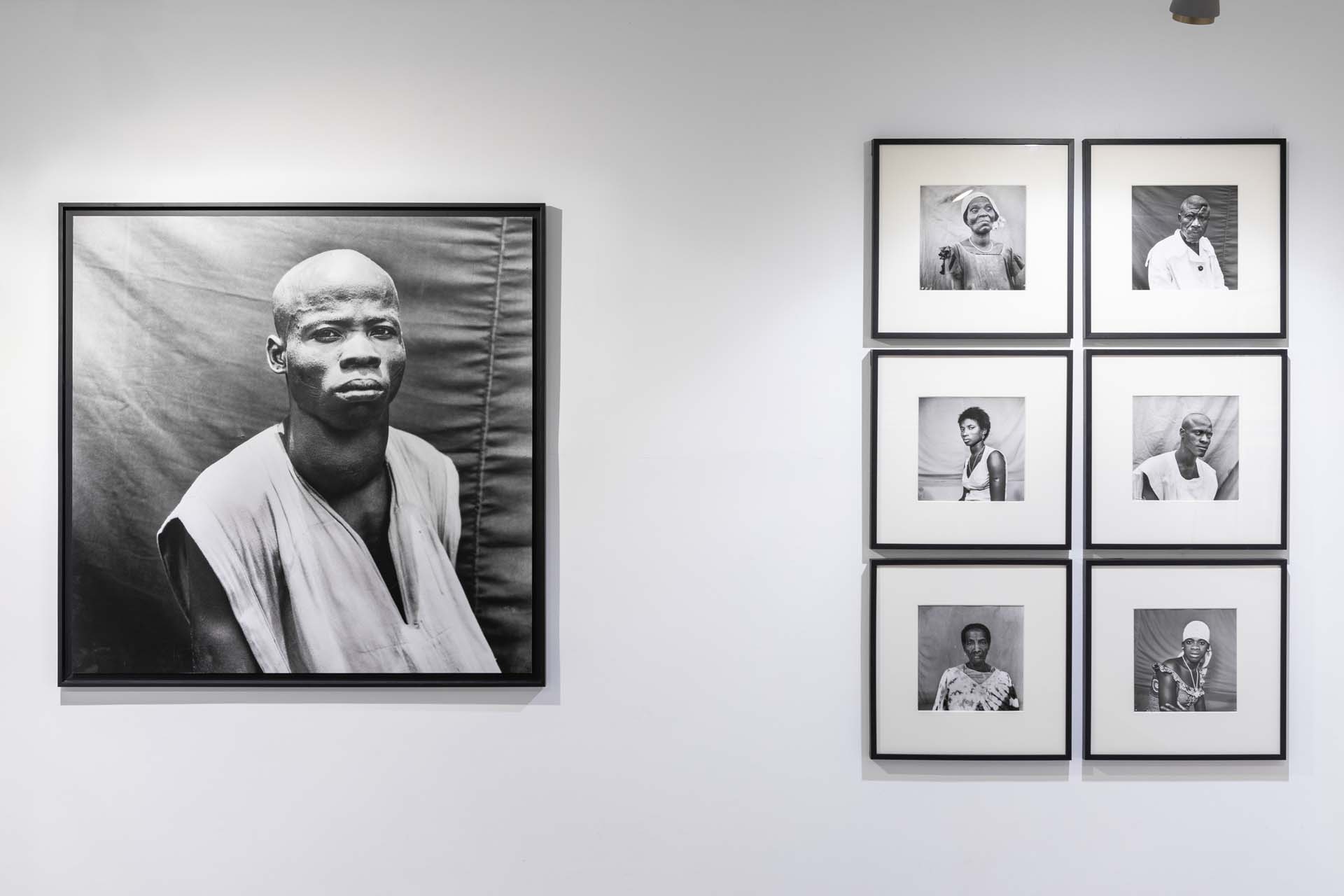
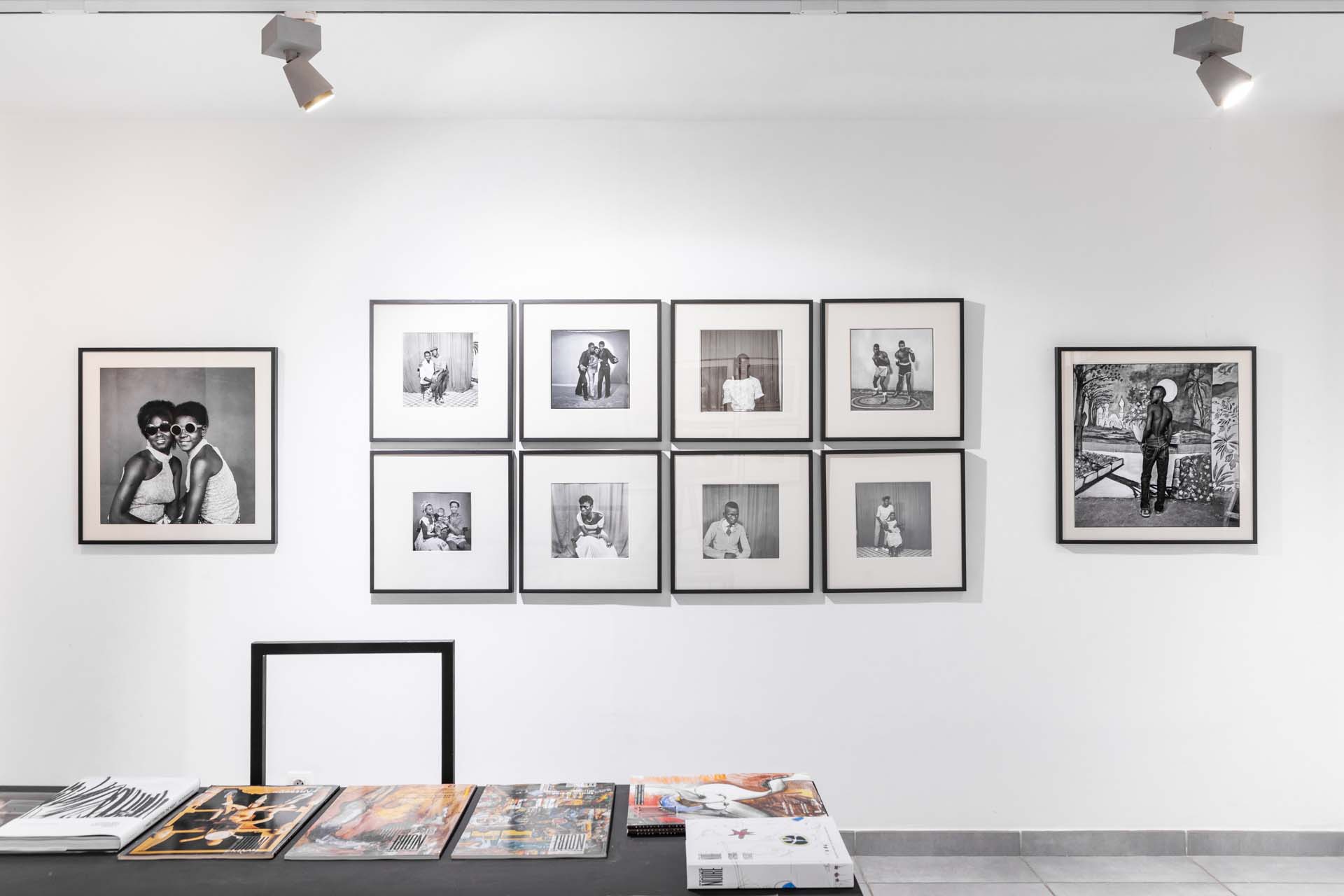
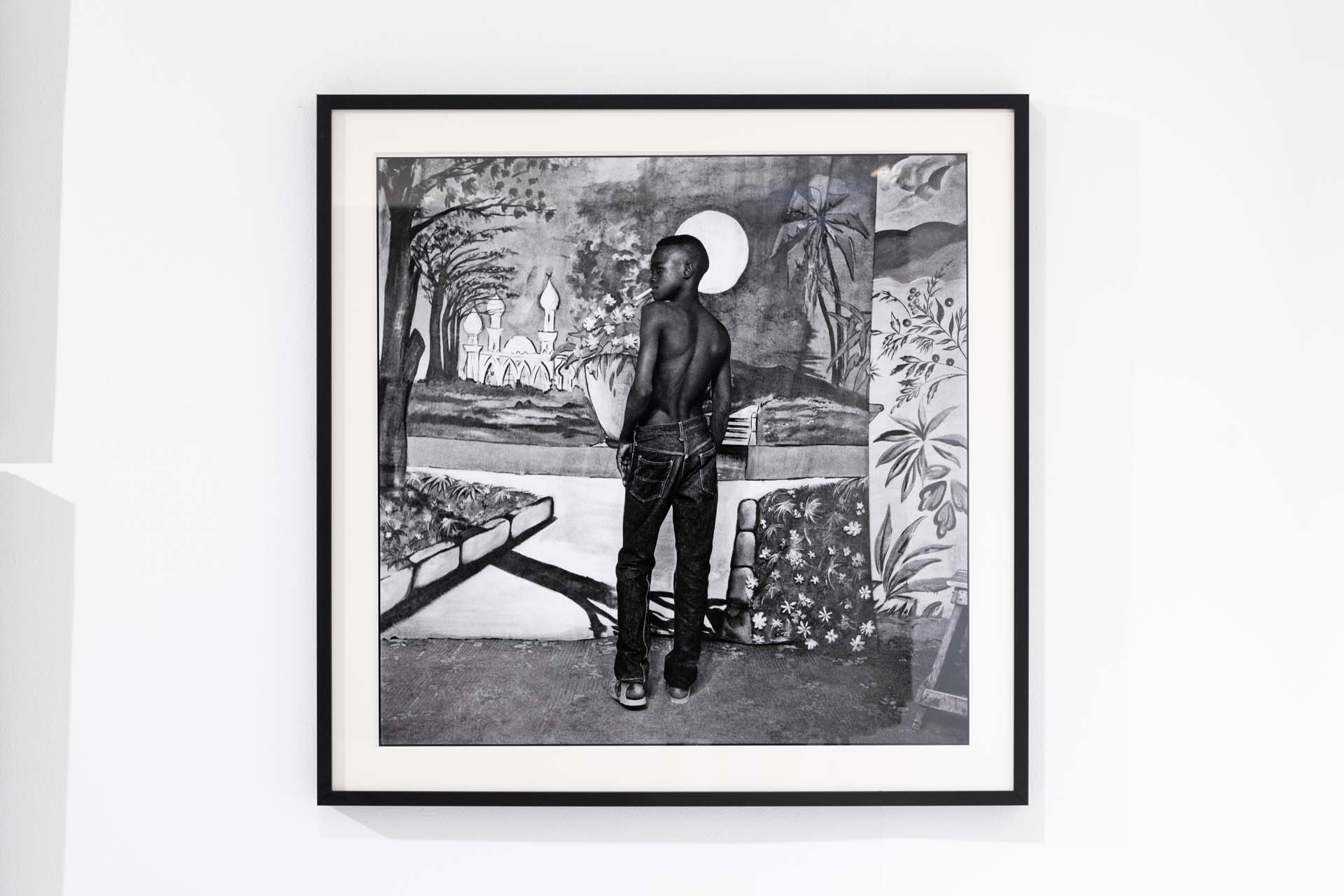
An exceptional selection of works from the Revue Noire Collection
Joseph Moïse Agbojelou . Daniel Attoumou Amicchia
Agence ANTA . Cornélius Augustt Azaglo
Agence BTEM-SGM-FTM . Mama Casset . Jean Depara
DRUM Magazine . Gahité Fofana . Samuel Fosso
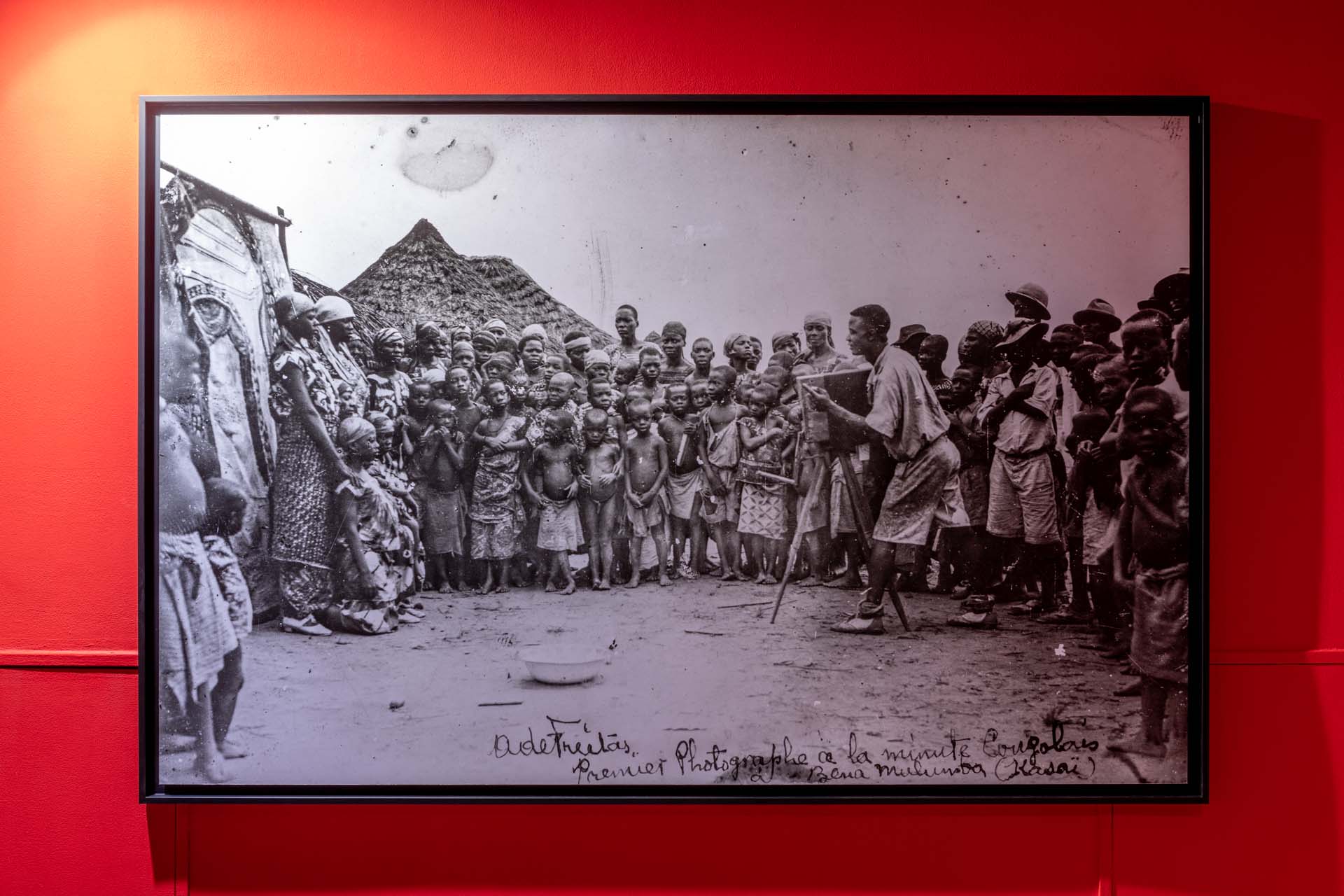
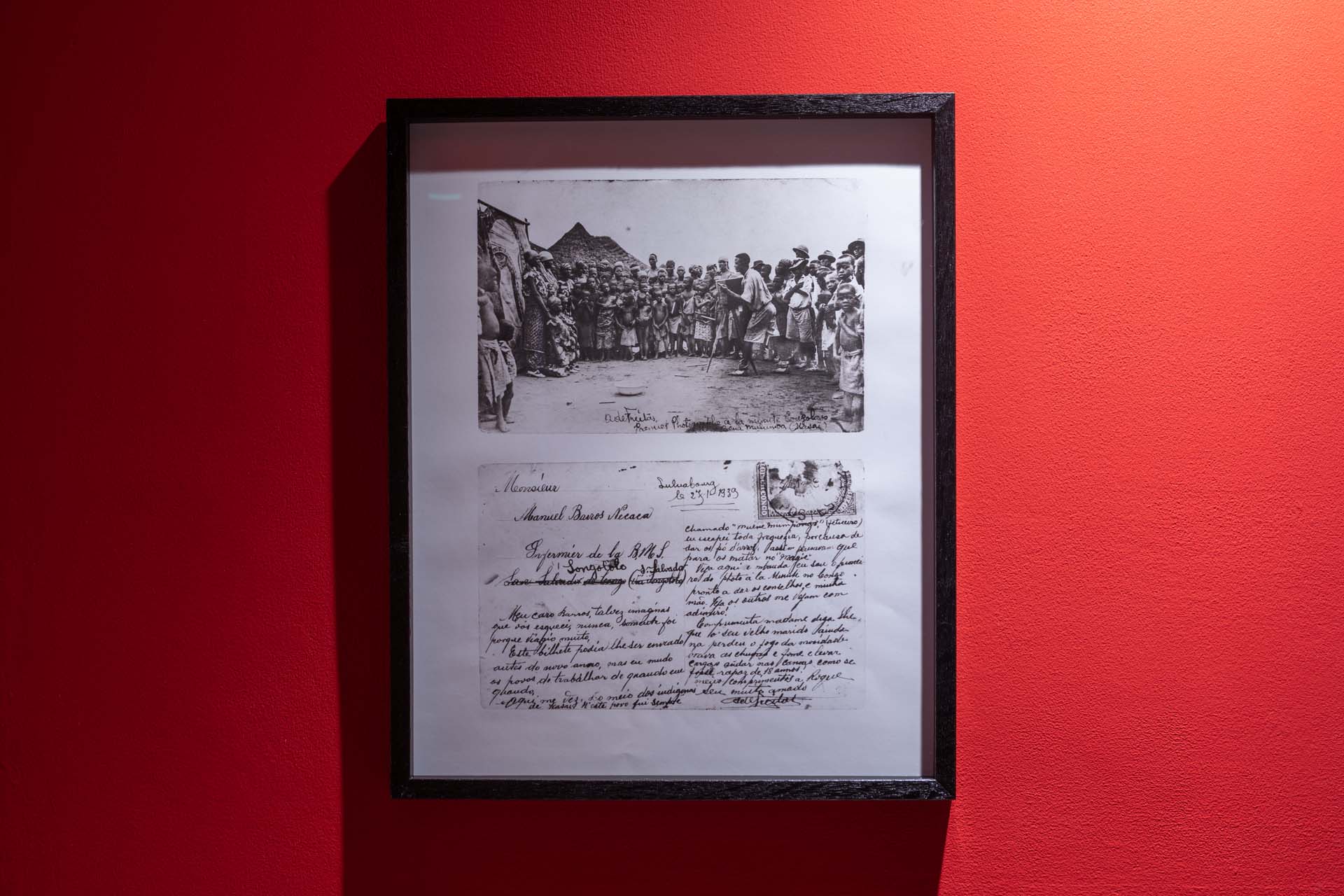
Antoine Freitas . Dorris Haron Kasco
Rotimi Fani-Kayodé . Seydou Keïta . Philippe Koudjina
Zwelethu Mthethwa . Ambroise Ngaimoko Studio 3 Z
Yves Pitchen . Alain Nzuzi Polo . Ramilijaona
J. Randria . Joseph Razaka . Guillaume Razafitrimo
Studio Rill . Maurille Andrianarivelo
Abdourahmane Sakaly . Malick Sidibé
Anonyme de Saint-Louis du Sénégal
ESPRIT REVUE NOIRE
A FOUNDATIONAL COLLECTION
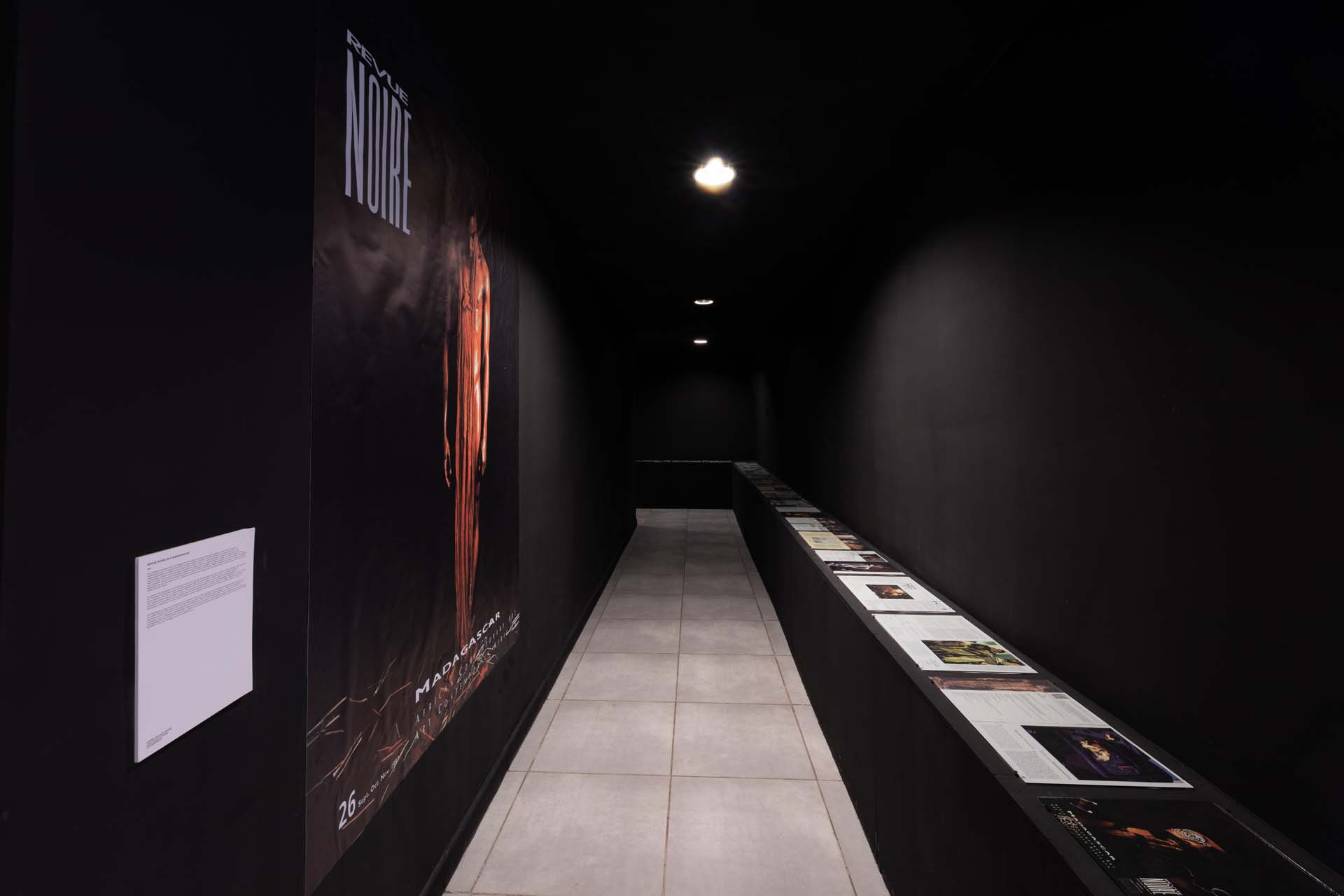
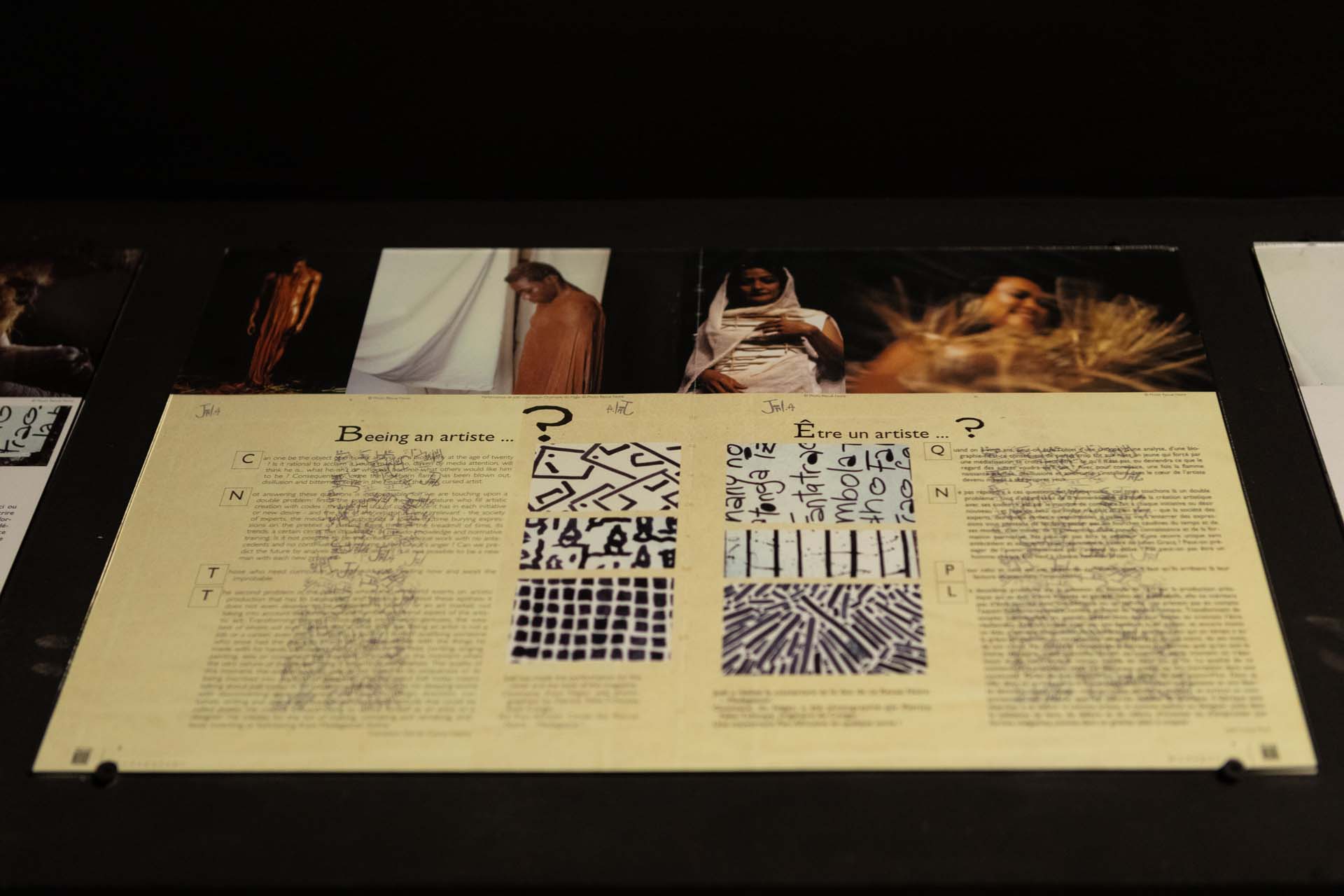
A photograph of a performance by Joël Andrianomearisoa appeared on the cover of Revue Noire's Madagascar issue in 1997. More than twenty years later, that symbolic connection is renewed through ESPRIT REVUE NOIRE – A FOUNDATIONAL COLLECTION, presented at Hakanto Contemporary in Antananarivo.
The magazine, publishing house and production platform were founded in 1990 by Jean-Loup Pivin and Pascal Martin Saint Léon—both architects, artistic directors and curators—together with Simon Njami, writer and curator, and Bruno Tilliette, publisher and writer.
As a pioneering magazine dedicated to investigating contemporary African creative expressions, Revue Noire profoundly marked the cultural landscape of the 1990s and early 2000s. It revealed a new and largely unknown image of the vitality of artistic creation across Africa and its diasporas, highlighting the richness, diversity and modernity of contemporary practices.
Distributed internationally, the bilingual French-English publication played a decisive role in the history of contemporary African art. It introduced and championed generations of artists working across visual arts, photography, cinema, dance, fashion and design, while also helping to bring forward a new generation of writers and intellectual voices.
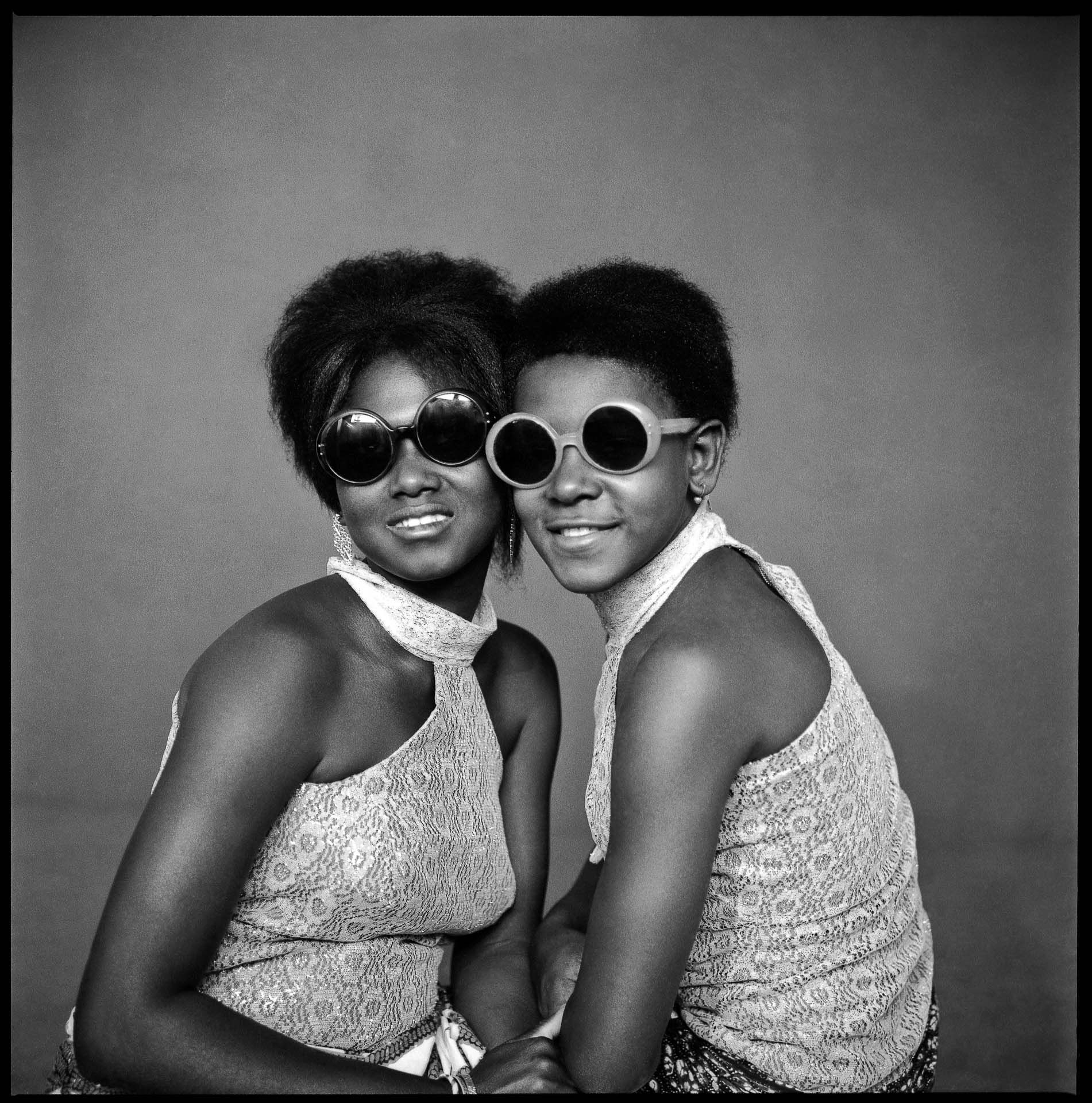
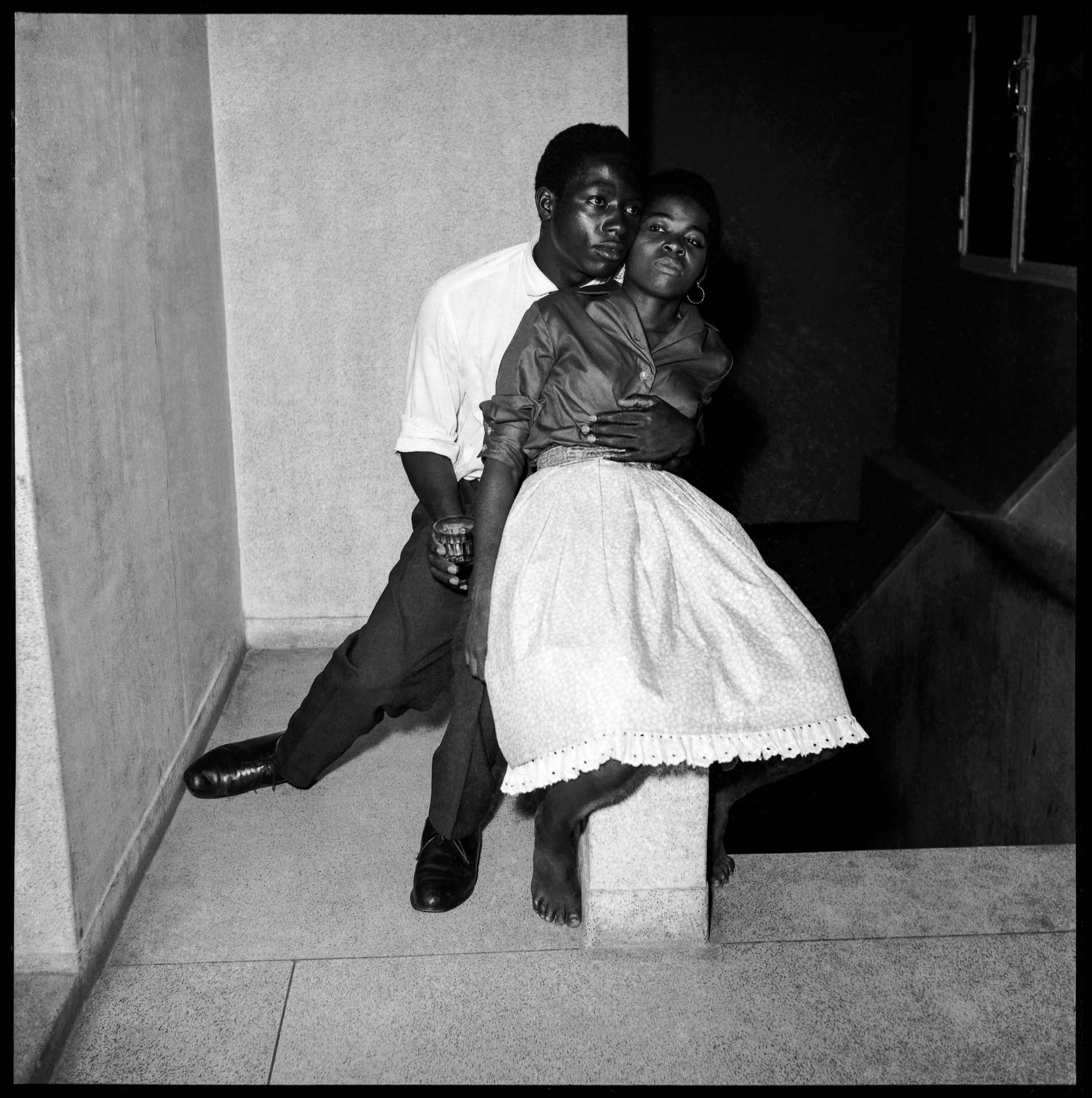
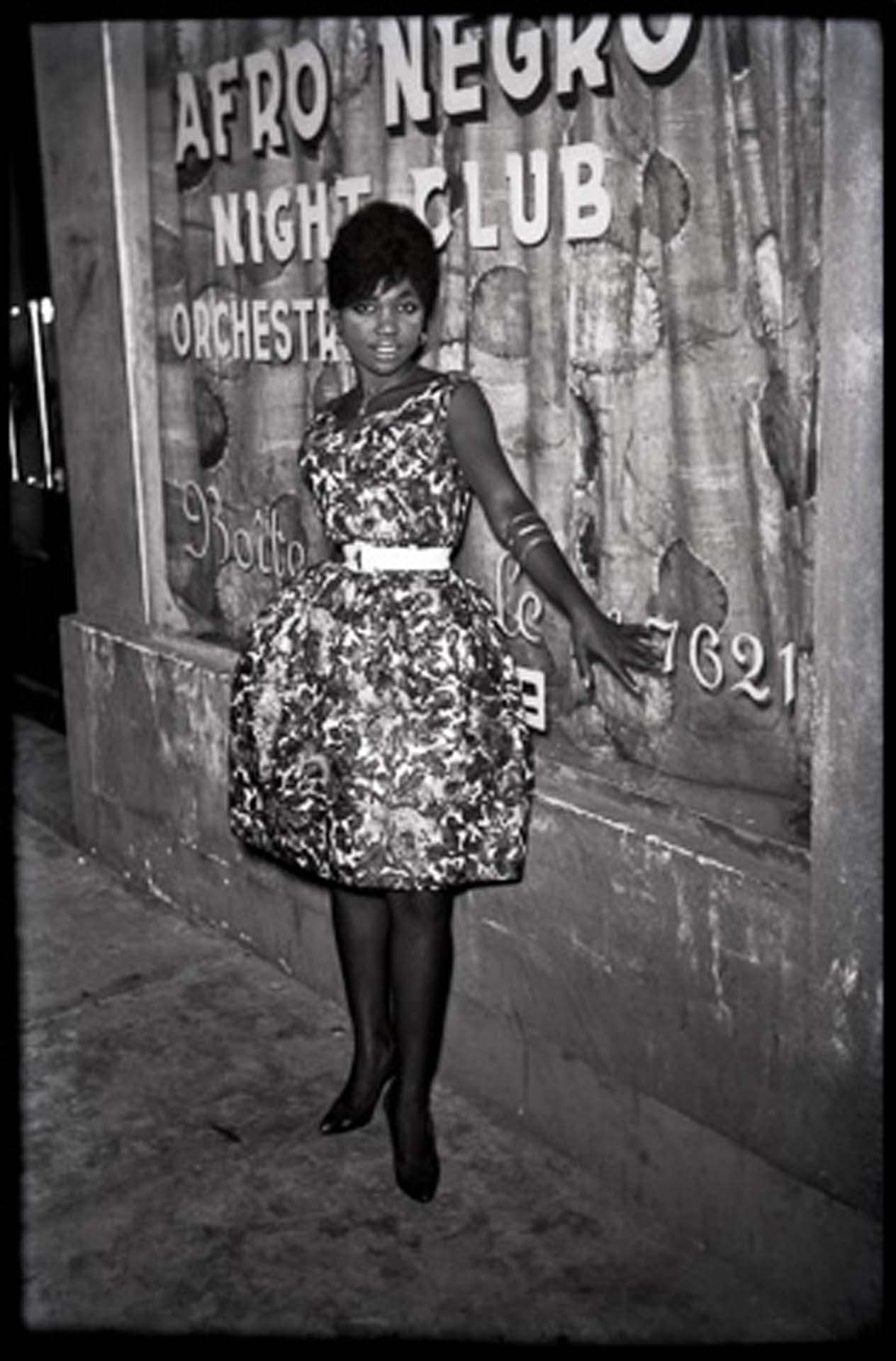
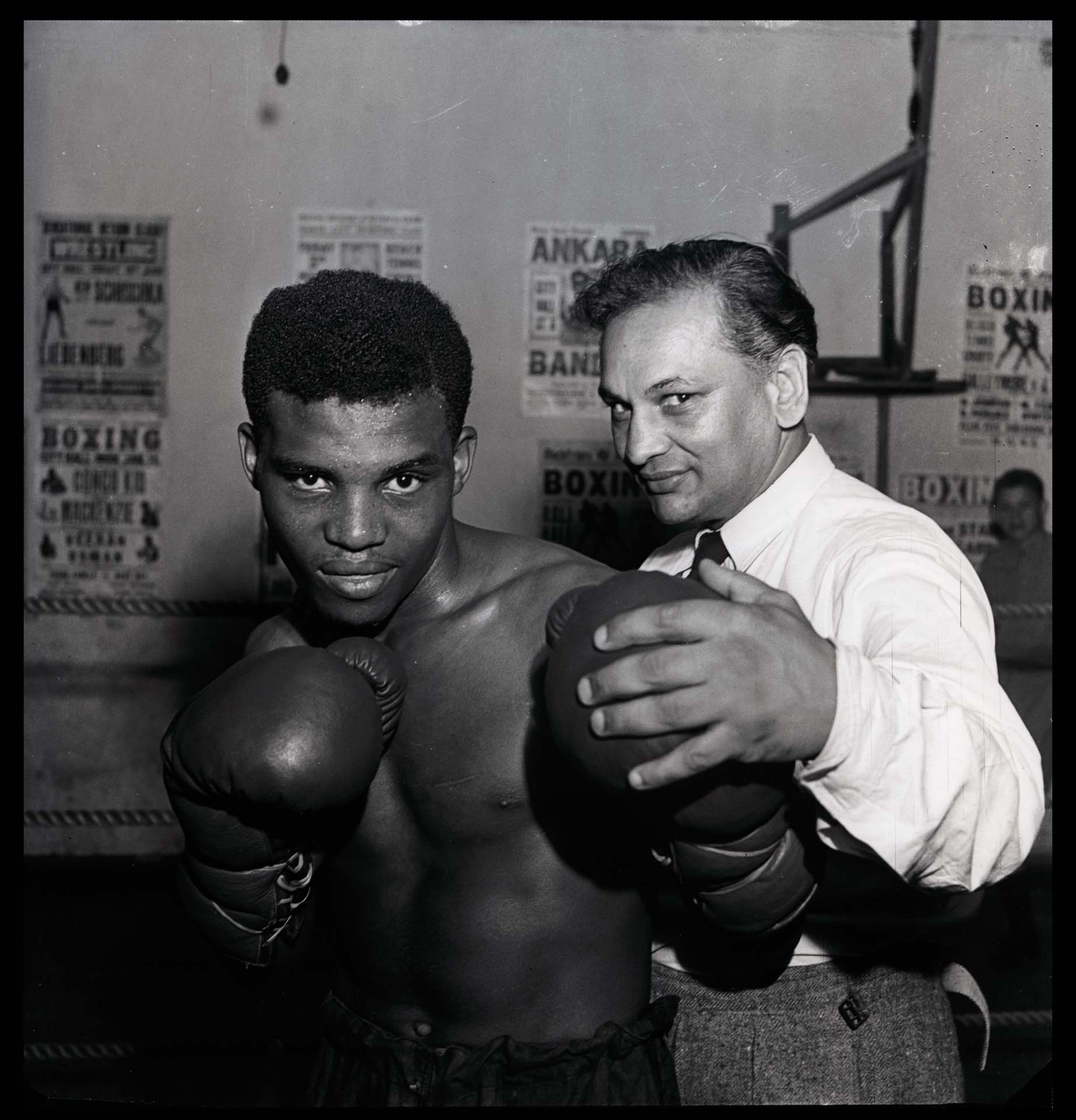
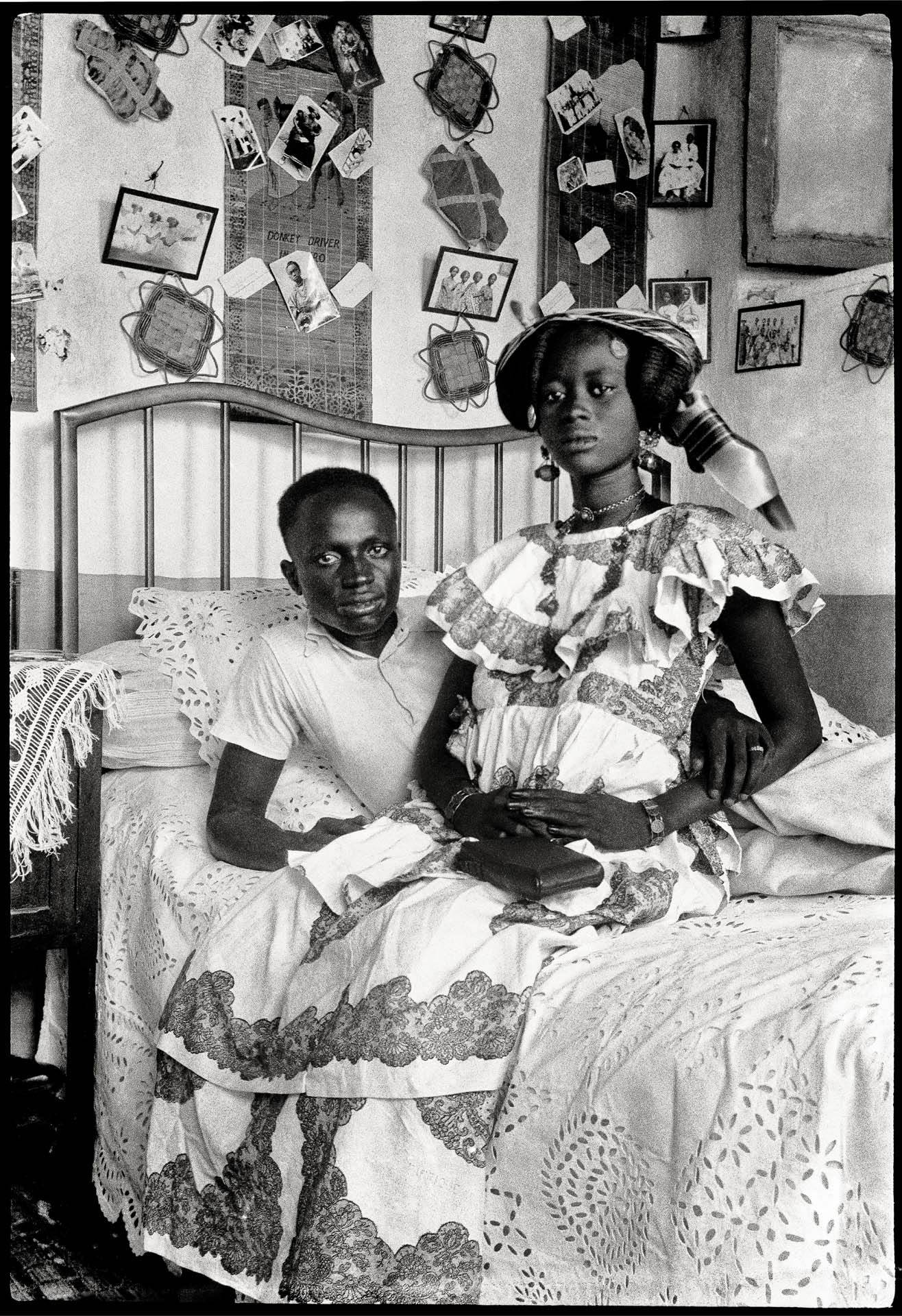
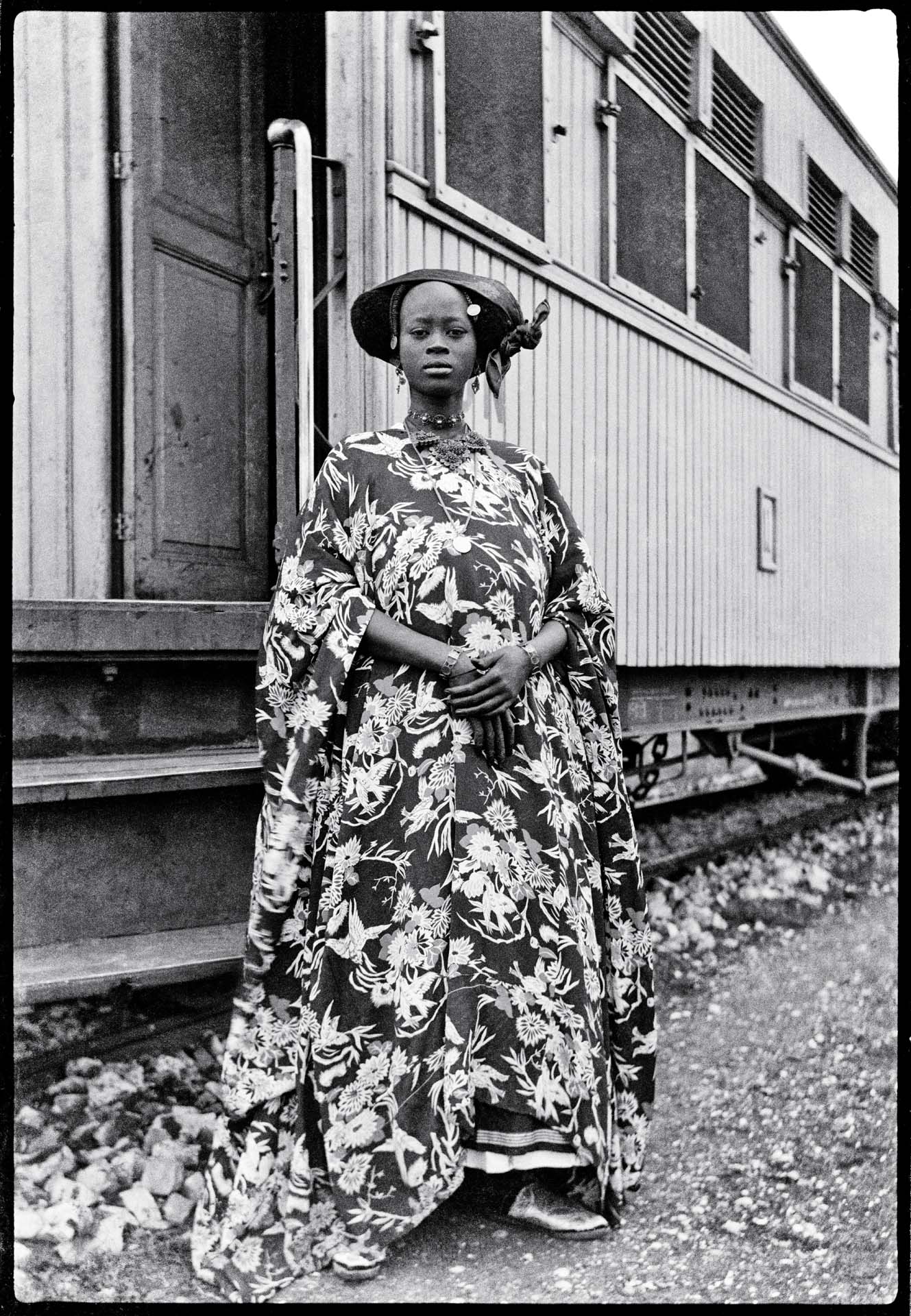
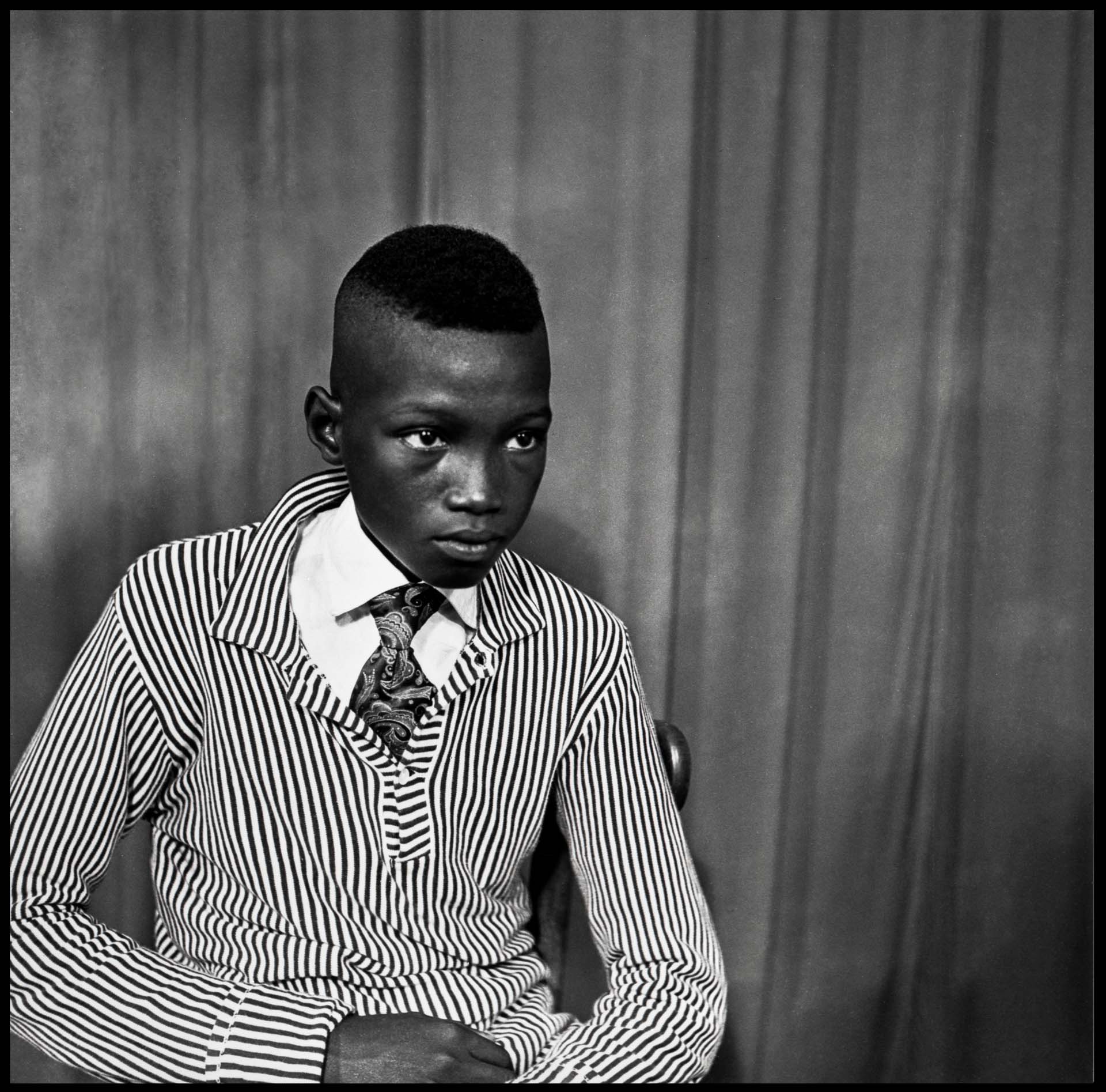
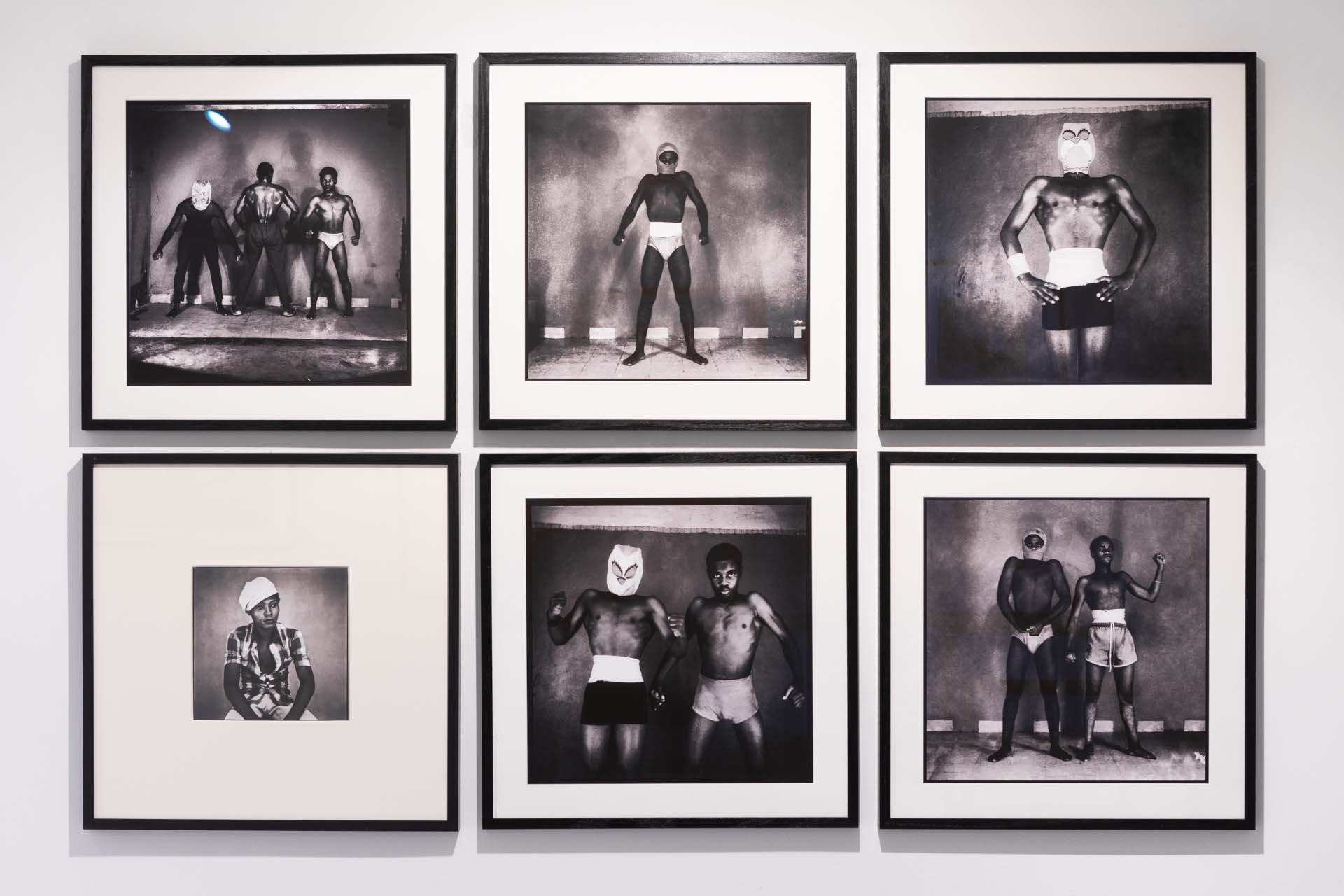
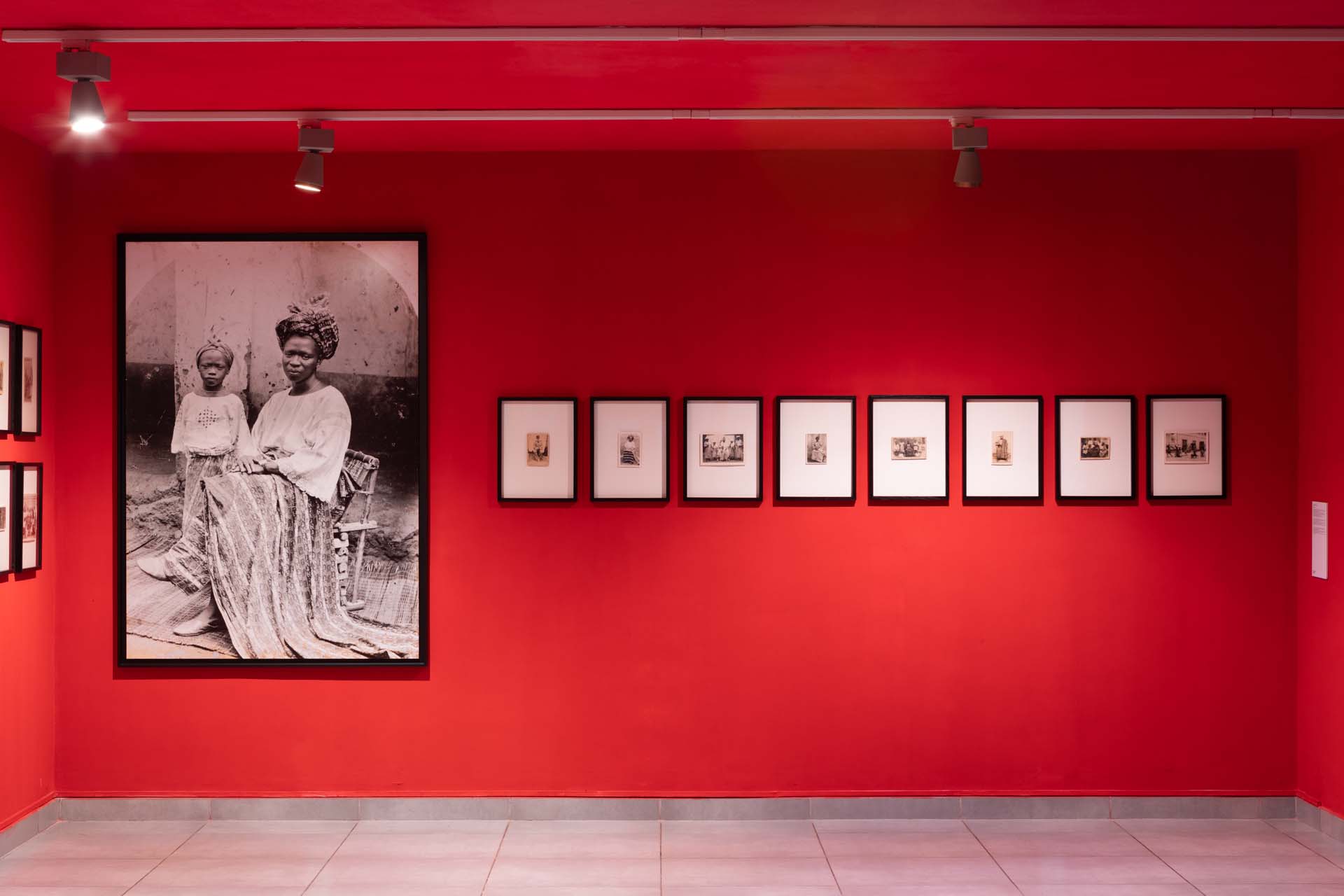
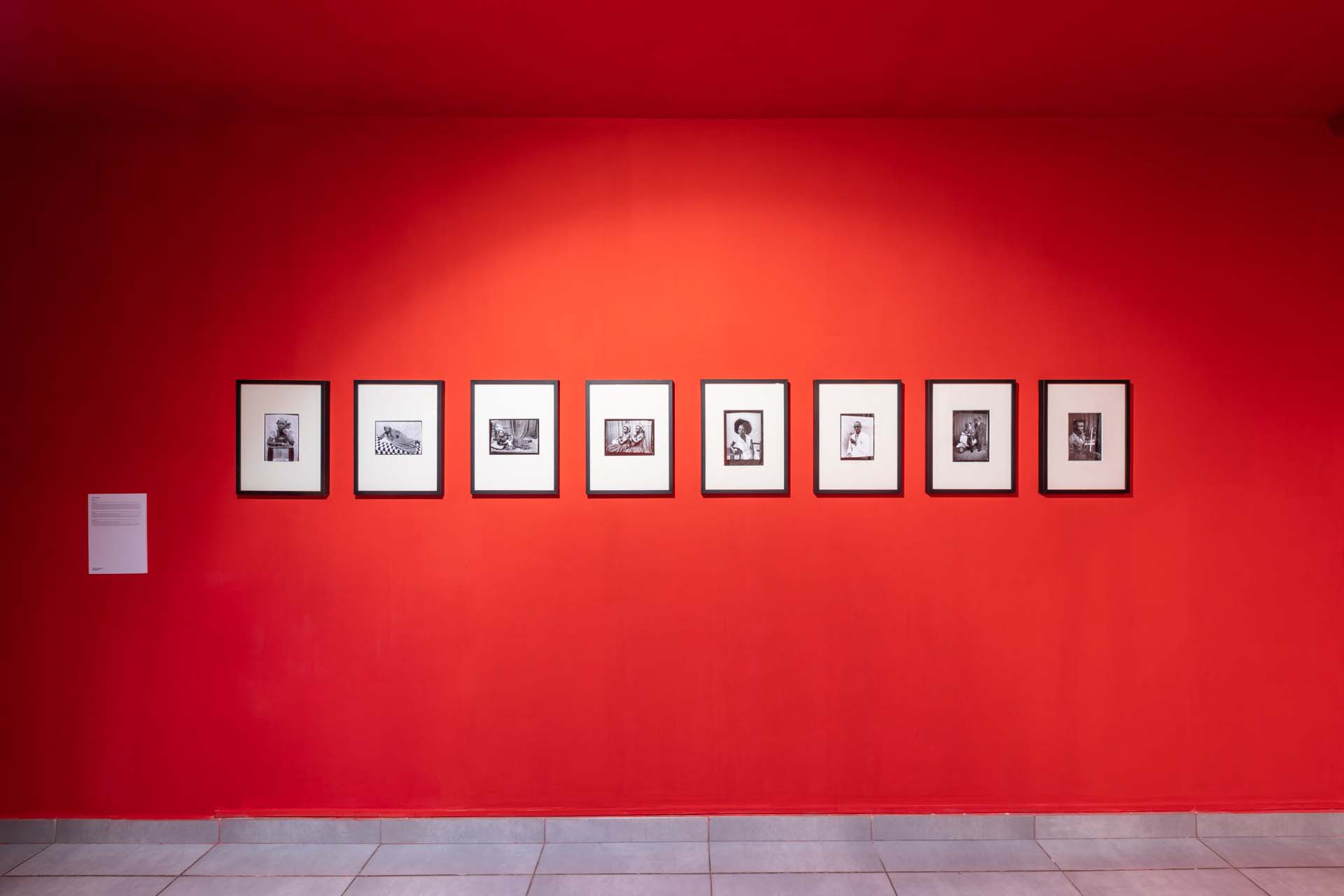
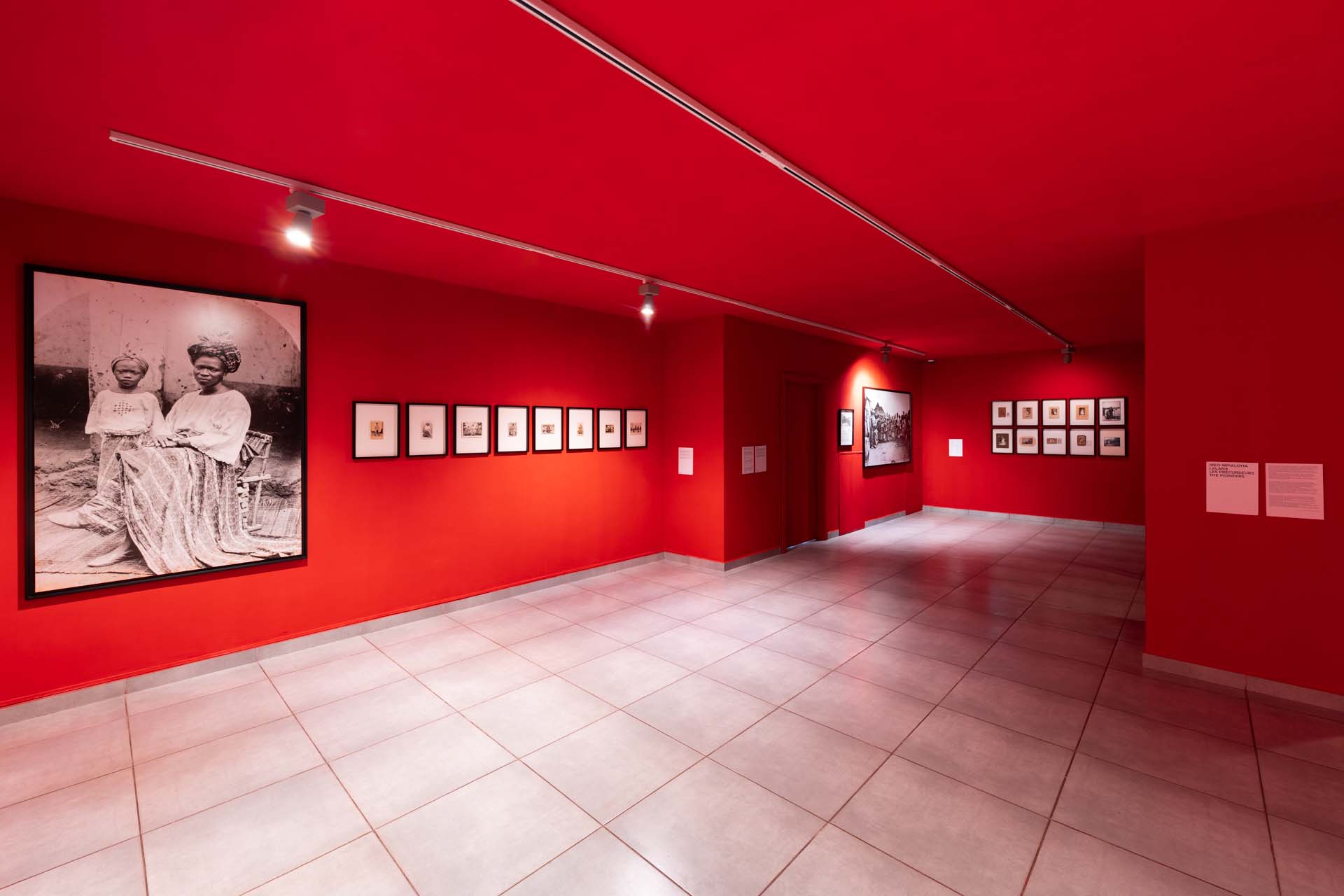
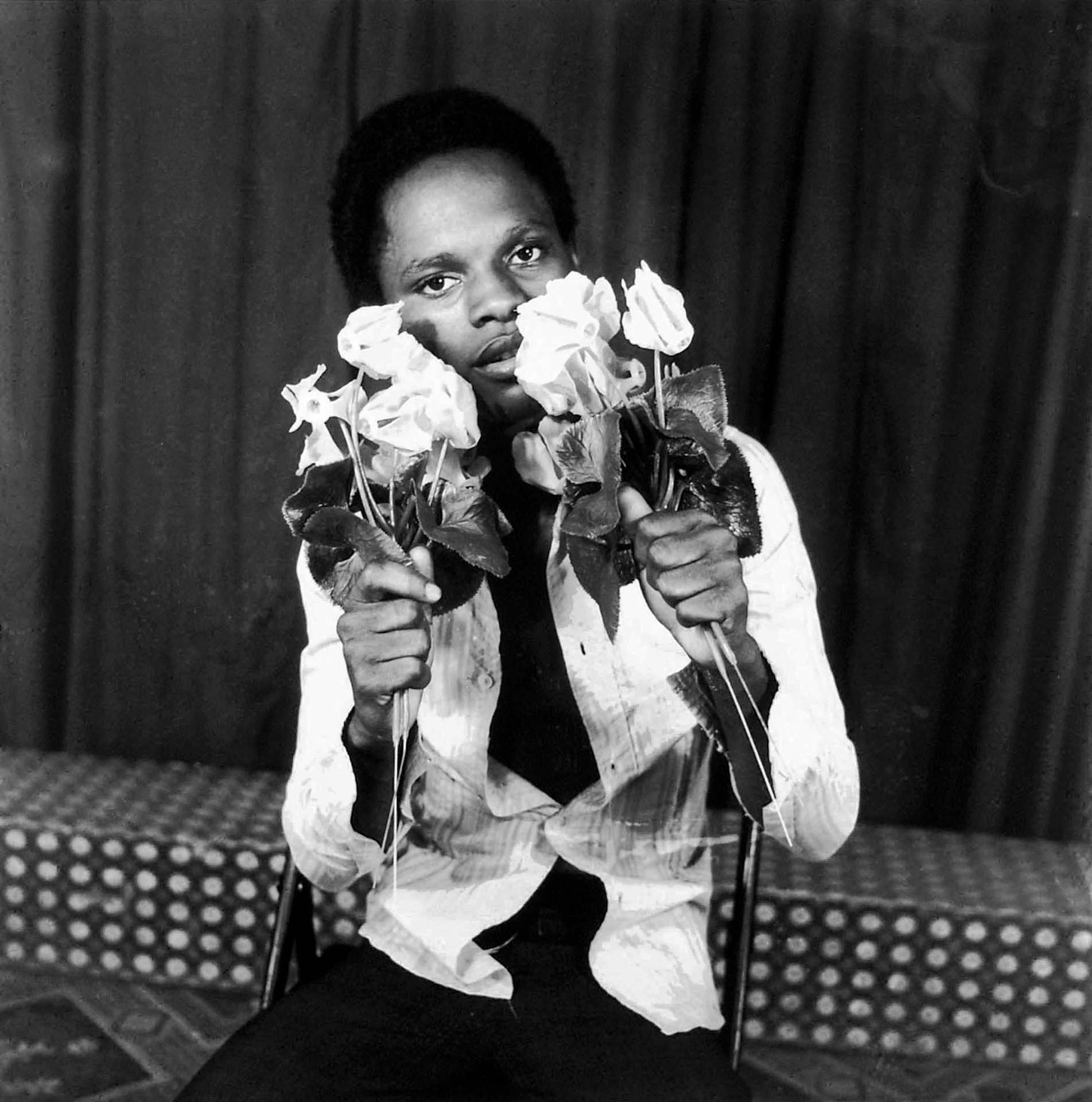
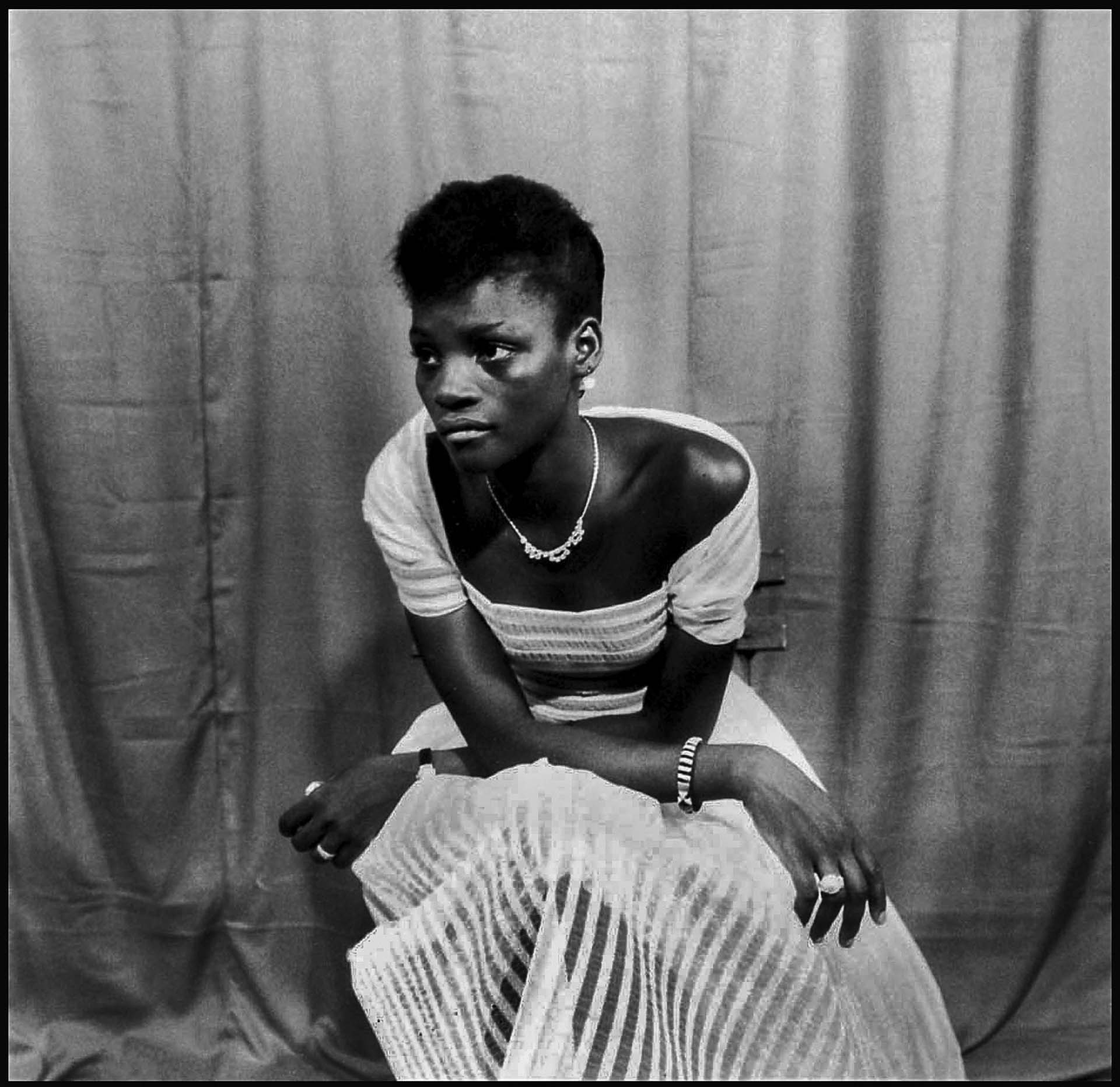
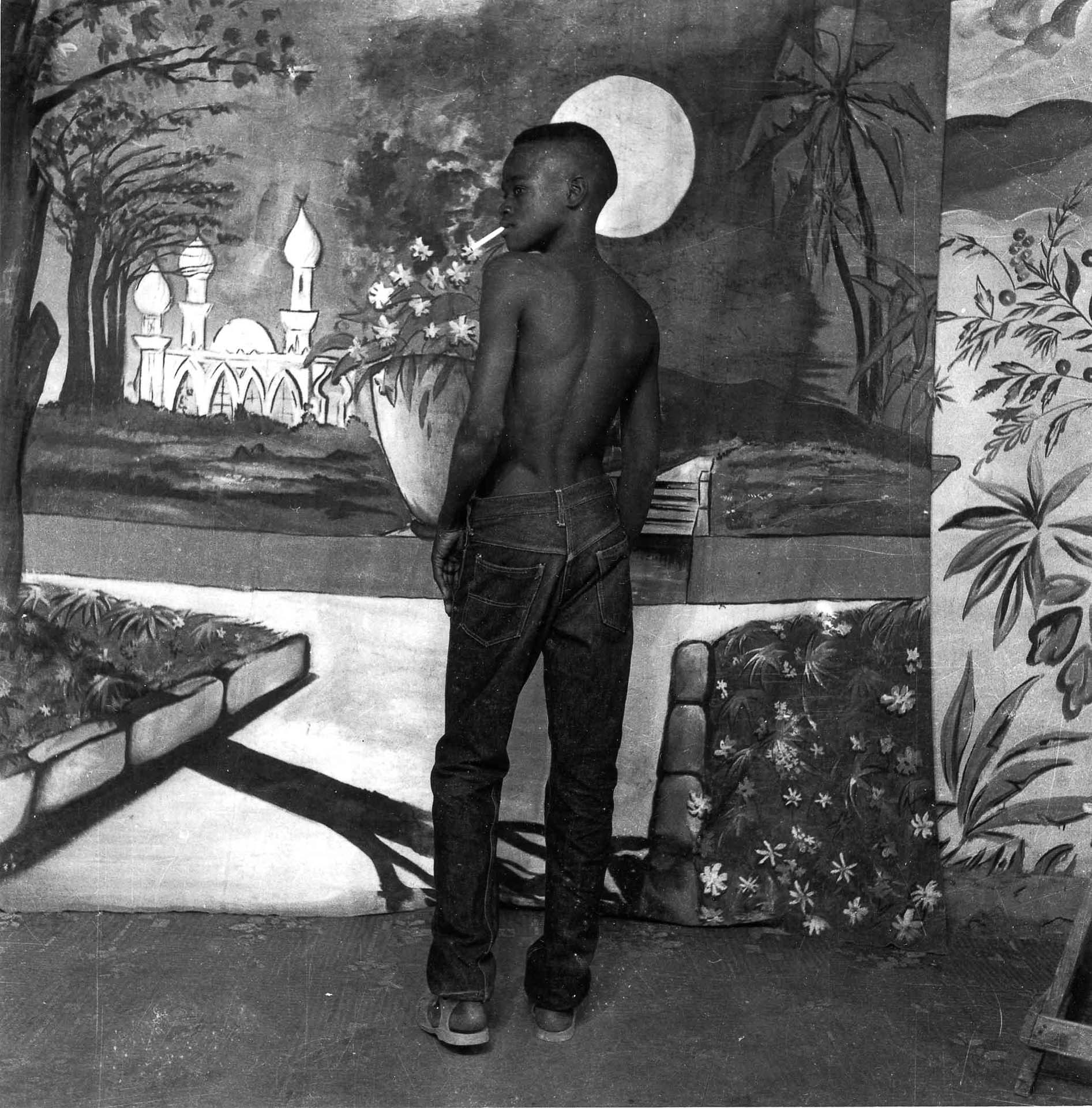
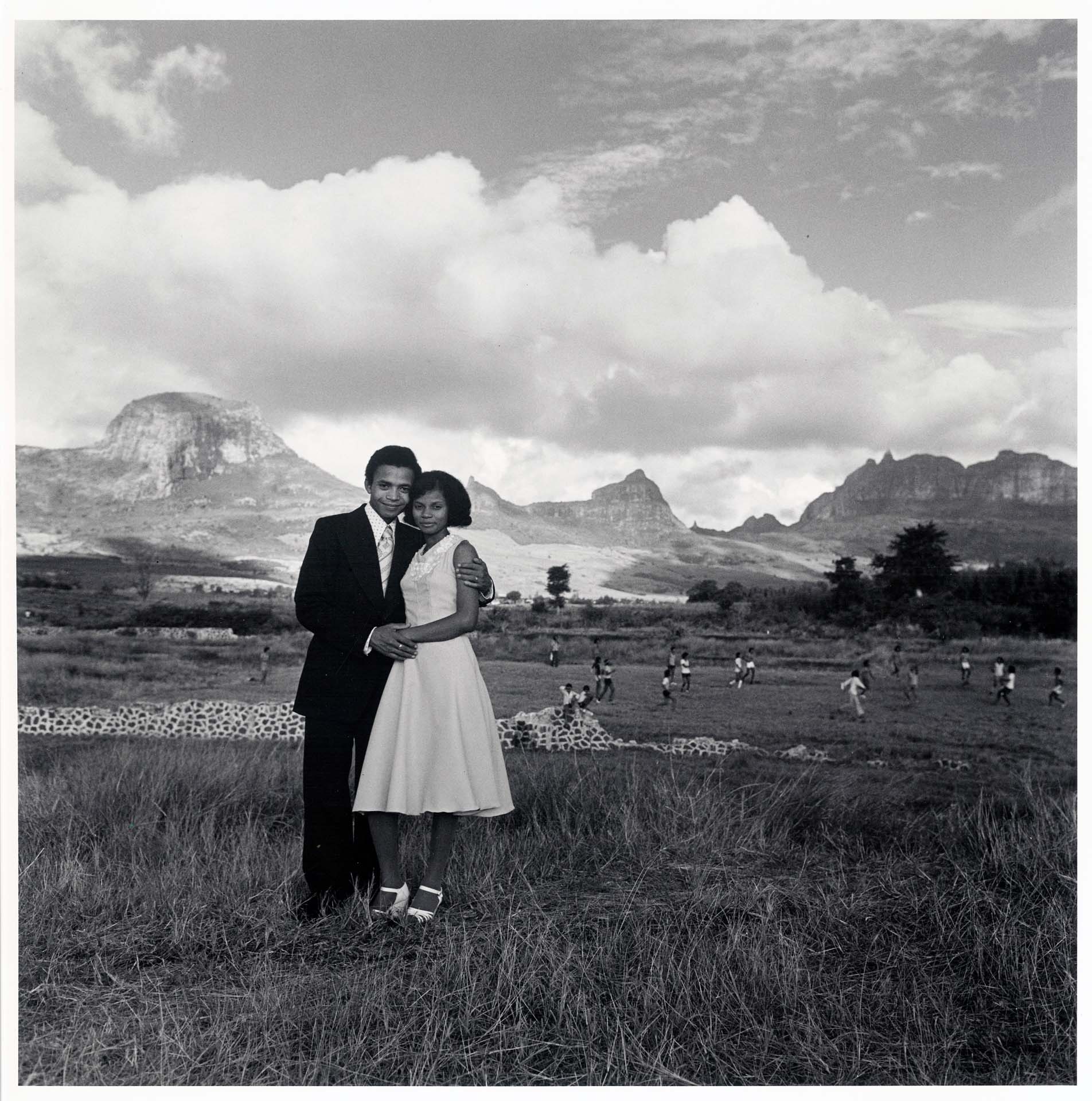
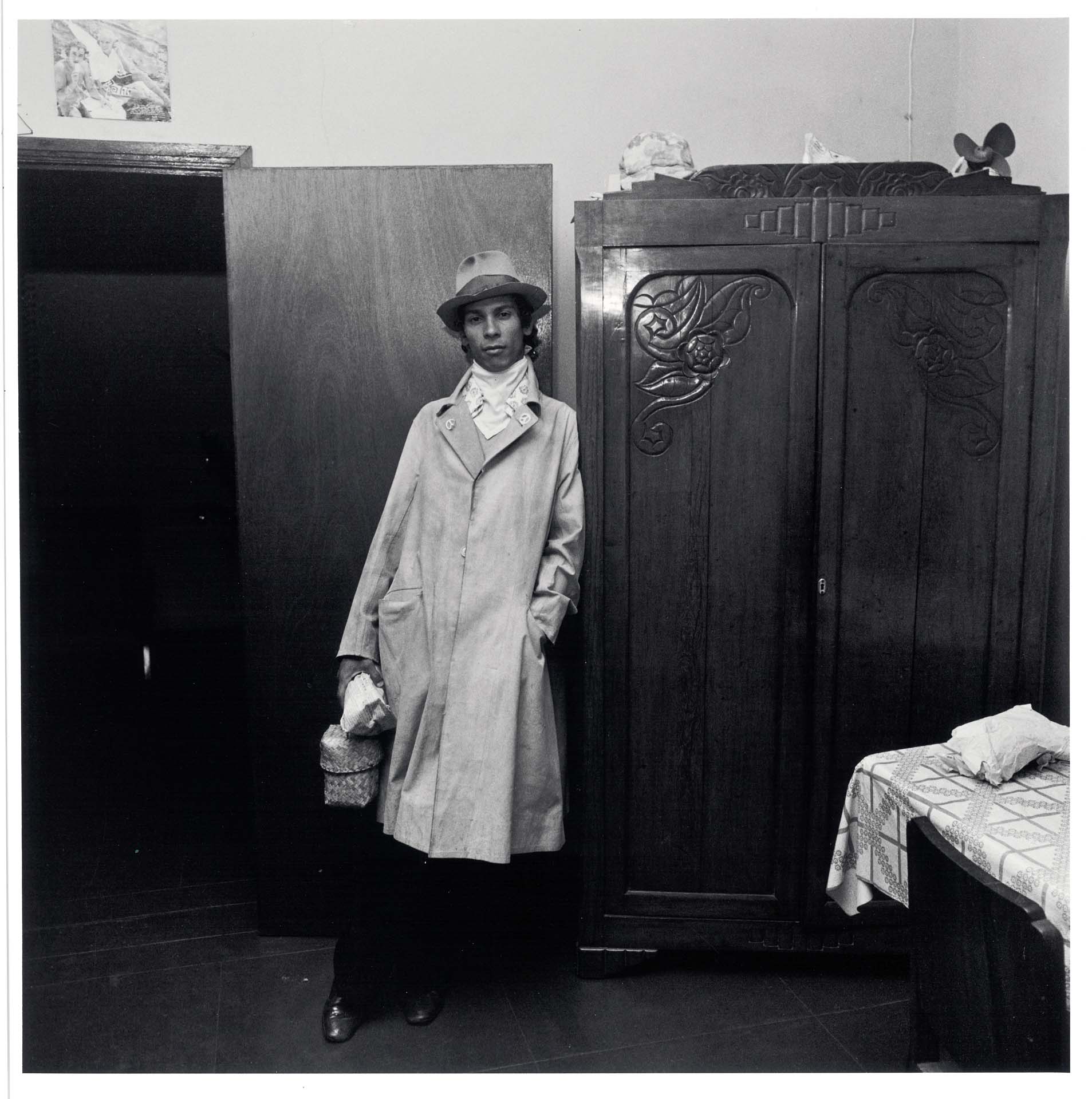
Its contribution was particularly pioneering in the field of African photography. The exhibition presented in Antananarivo stems from L'Afrique par elle-même, a landmark exhibition that travelled internationally—from Paris at the Maison Européenne de la Photographie to the São Paulo Biennial, the Smithsonian Institution in Washington, the New Museum of Contemporary Art in New York, the Barbican in London, Tervuren in Belgium, as well as Cape Town and Berlin.
The publication Anthology of African Photography, the Indian Ocean and the Diaspora (1998), together with each issue of Revue Noire, laid some of the earliest foundations for a history of African photography.
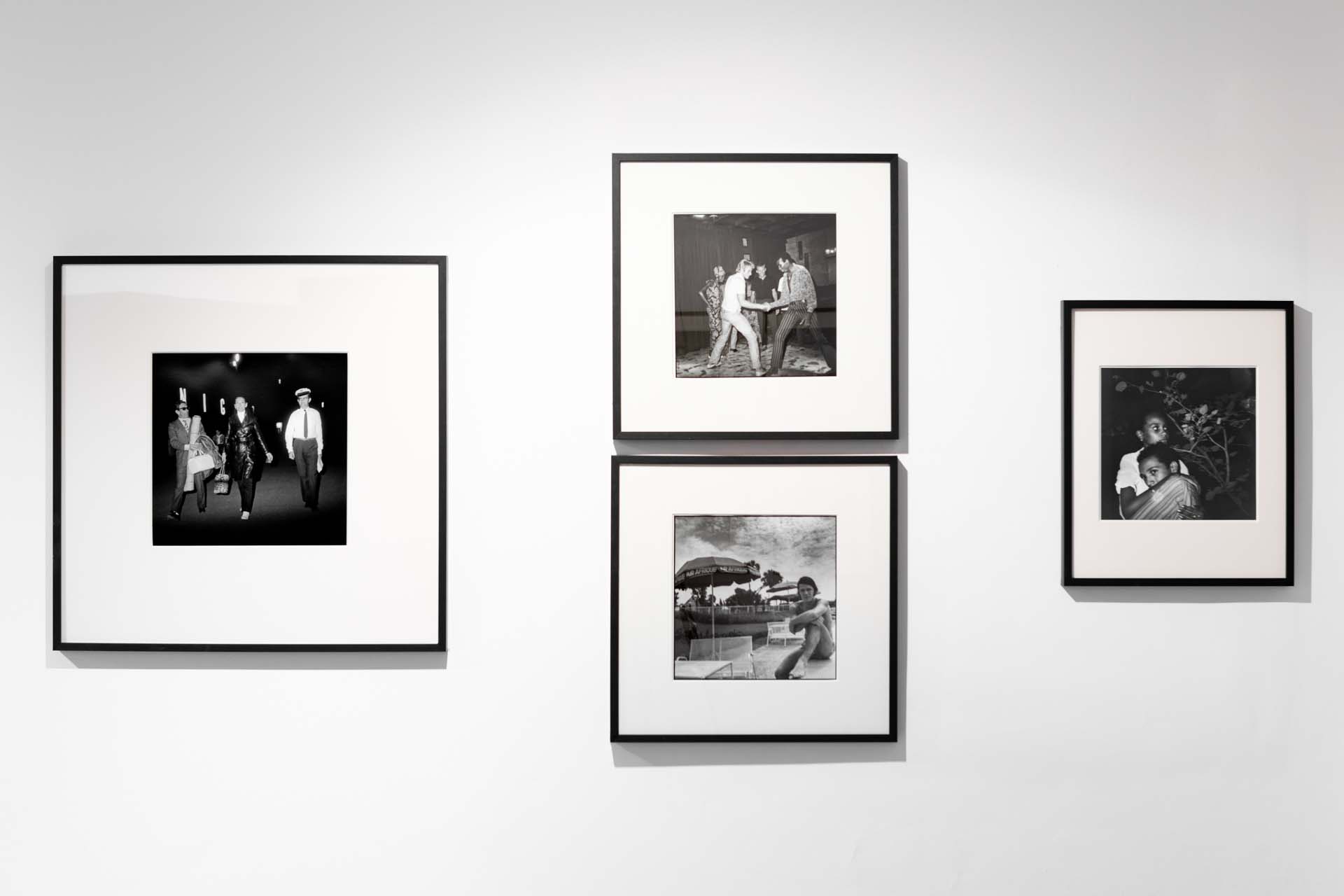
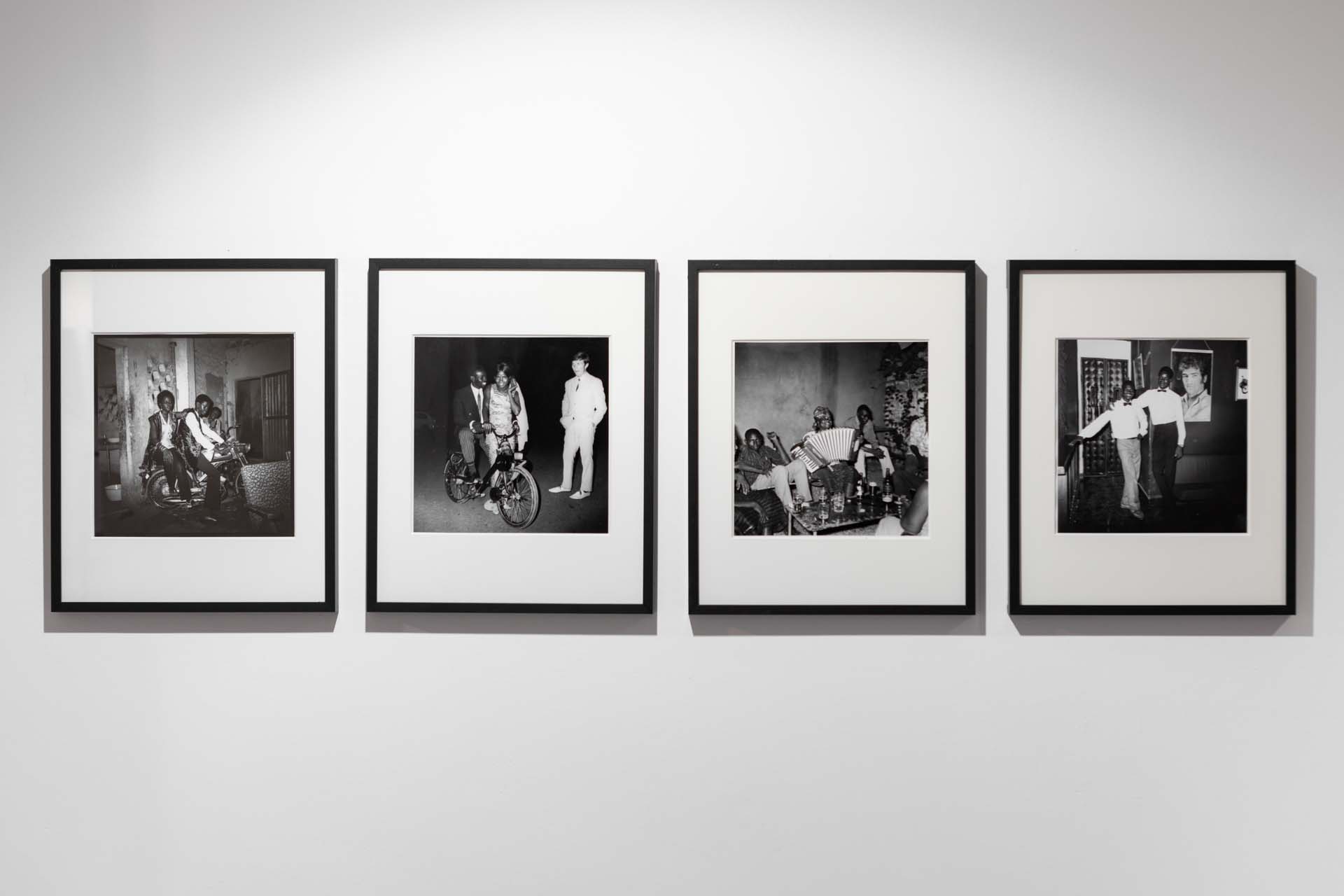
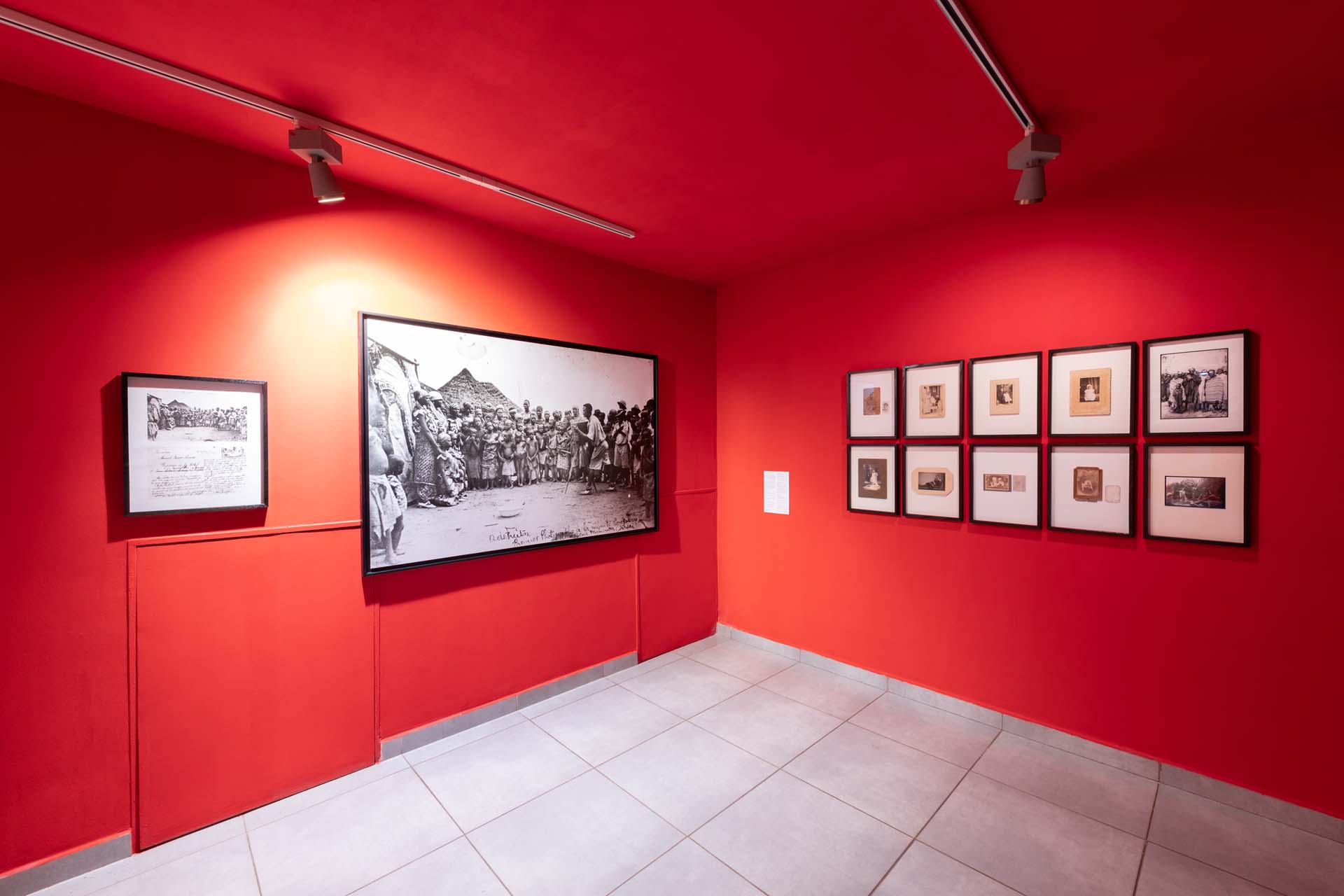
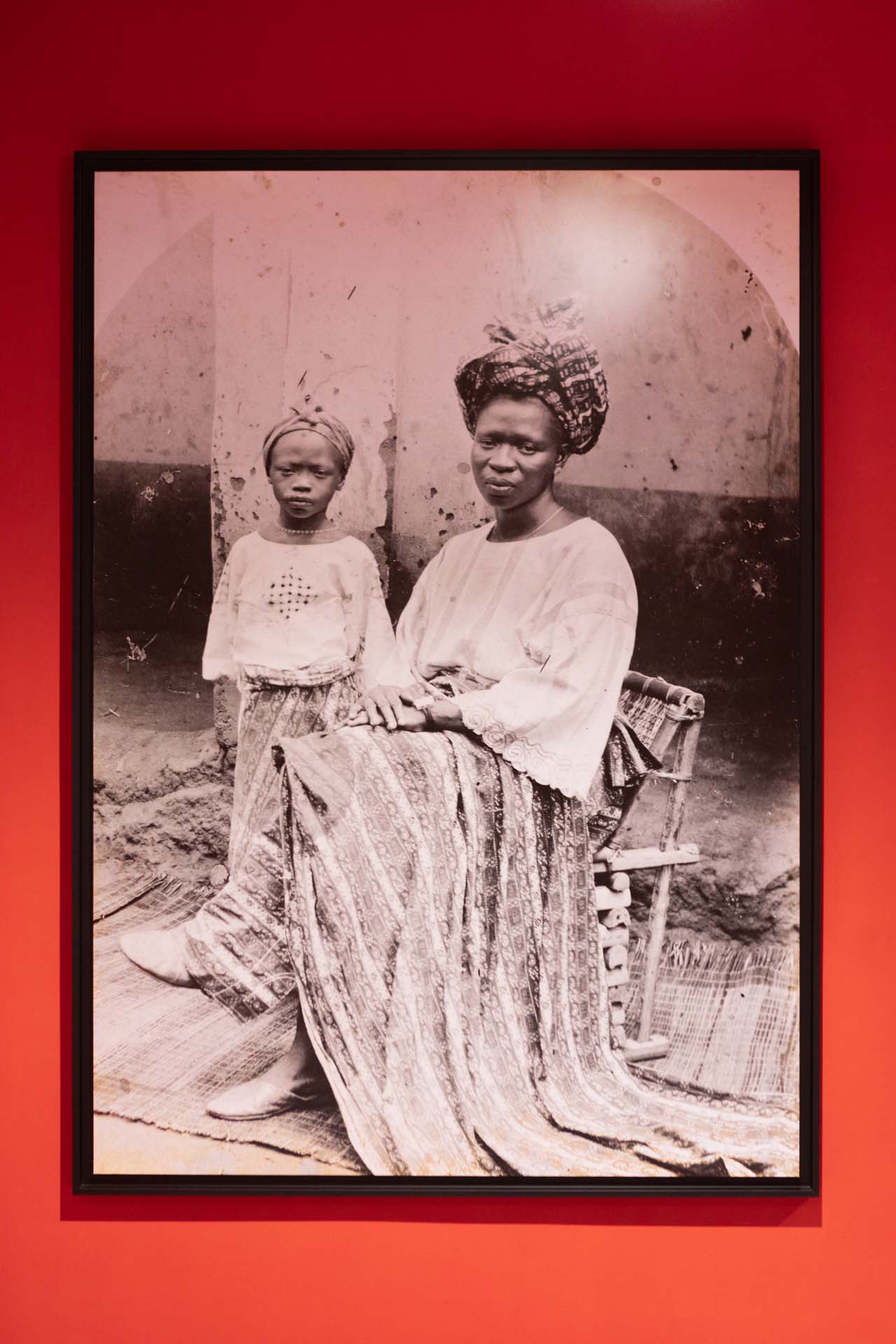
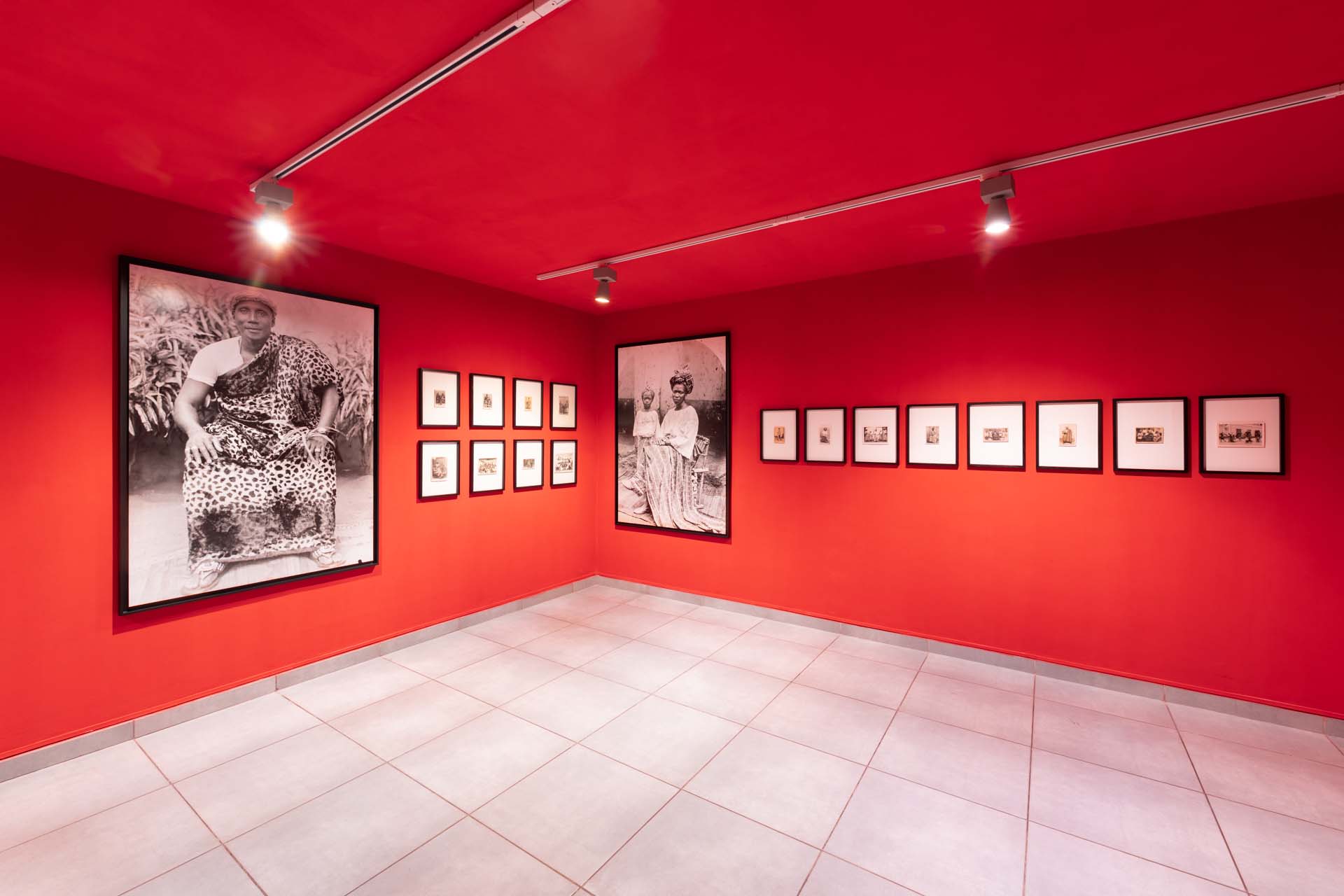
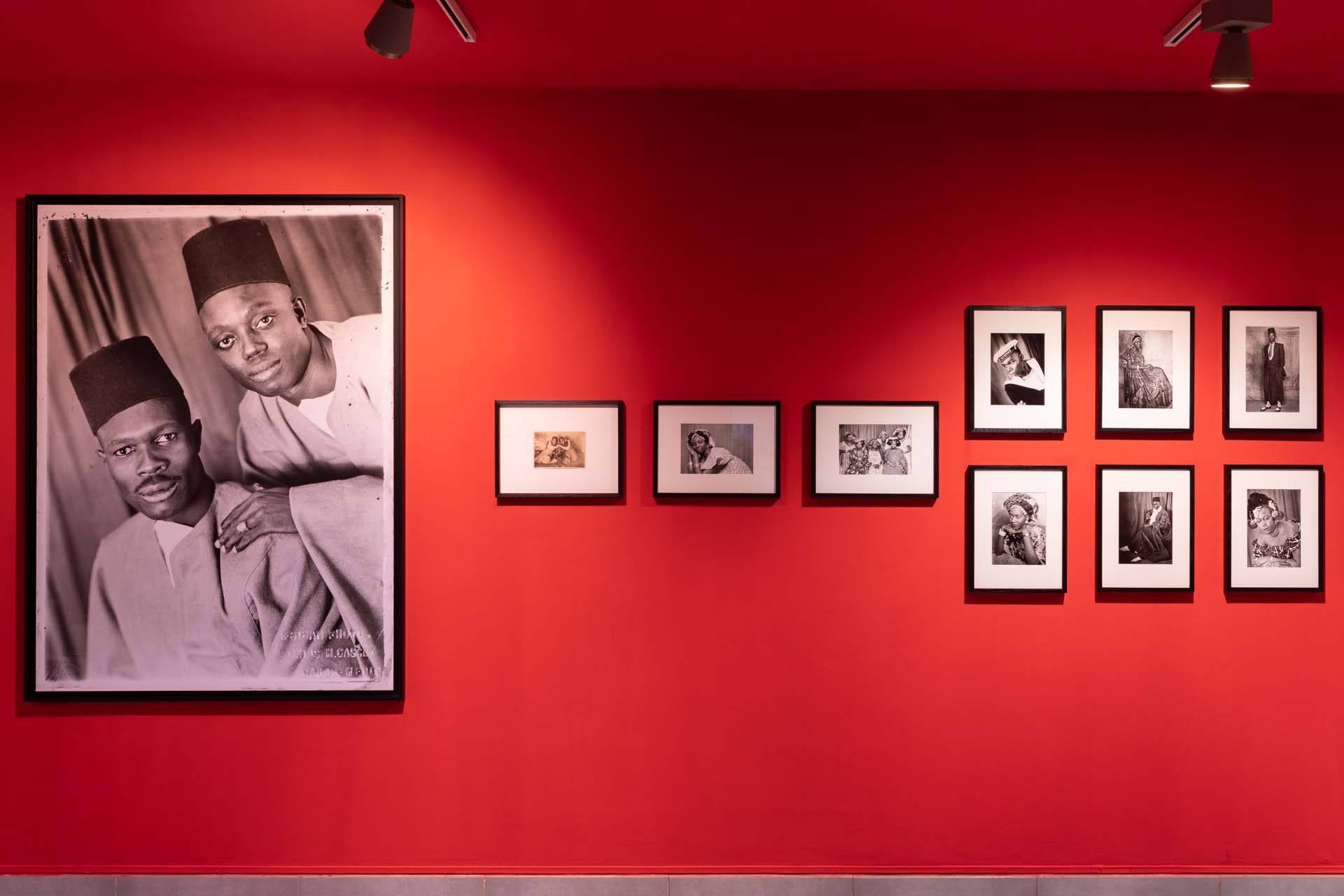
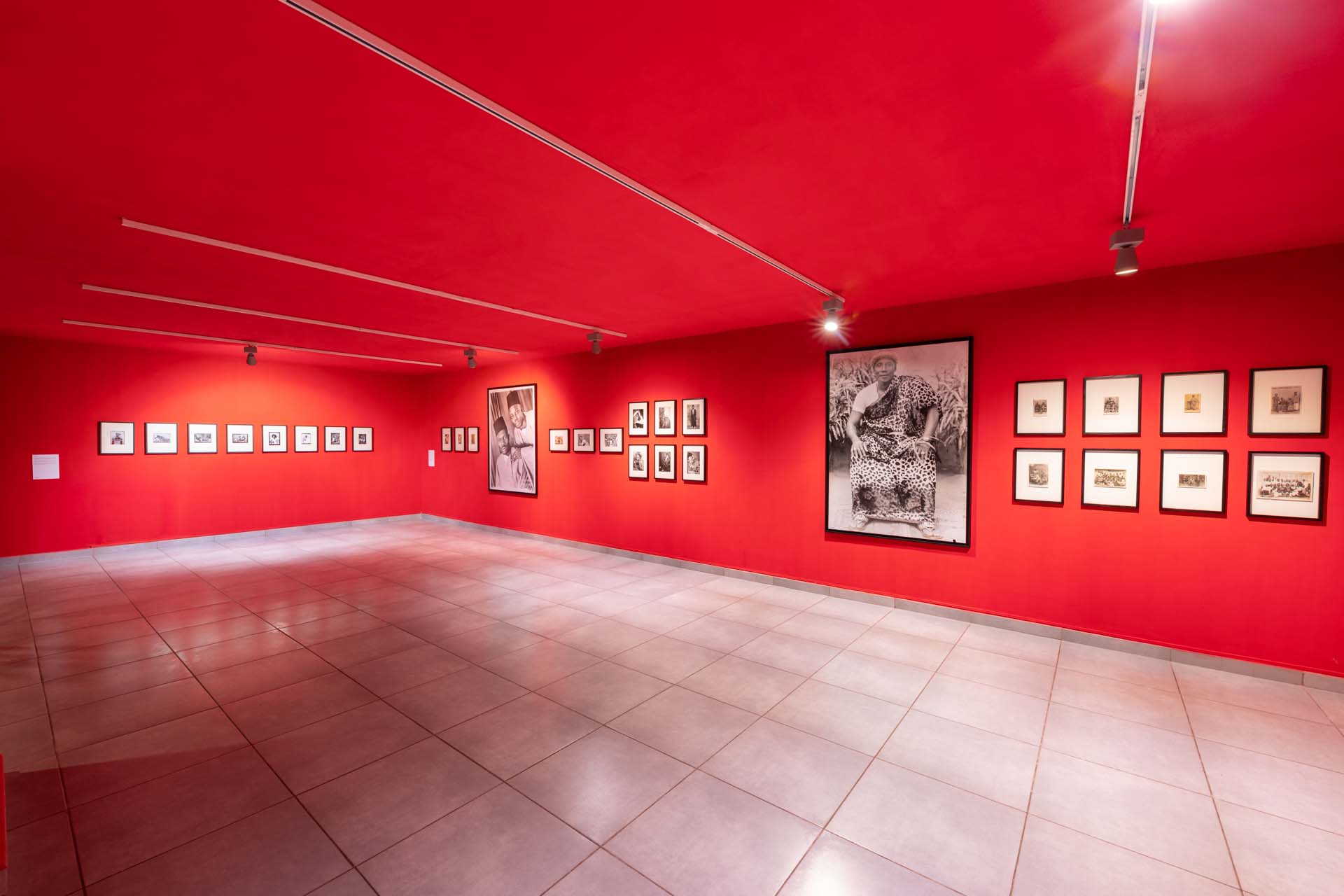
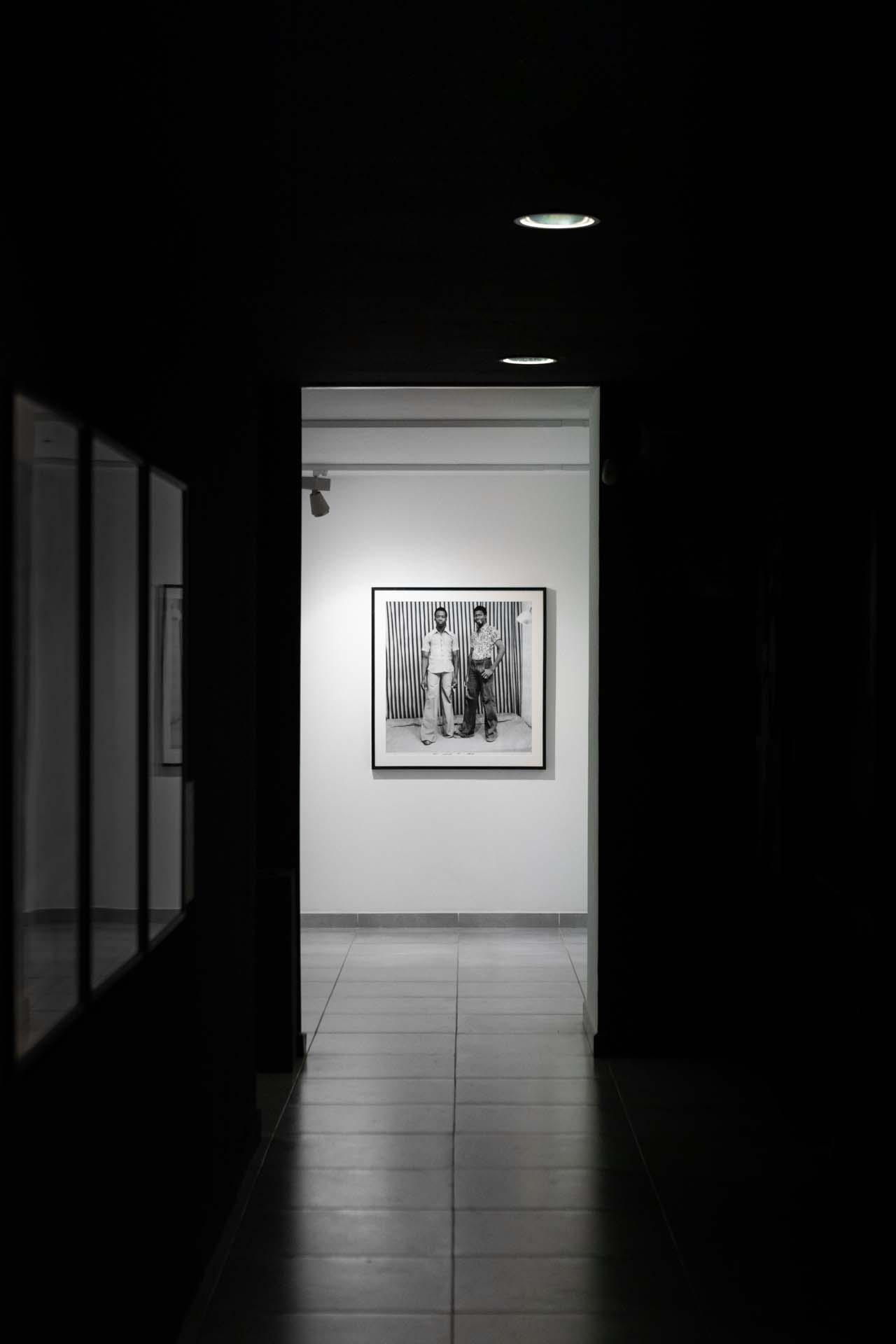
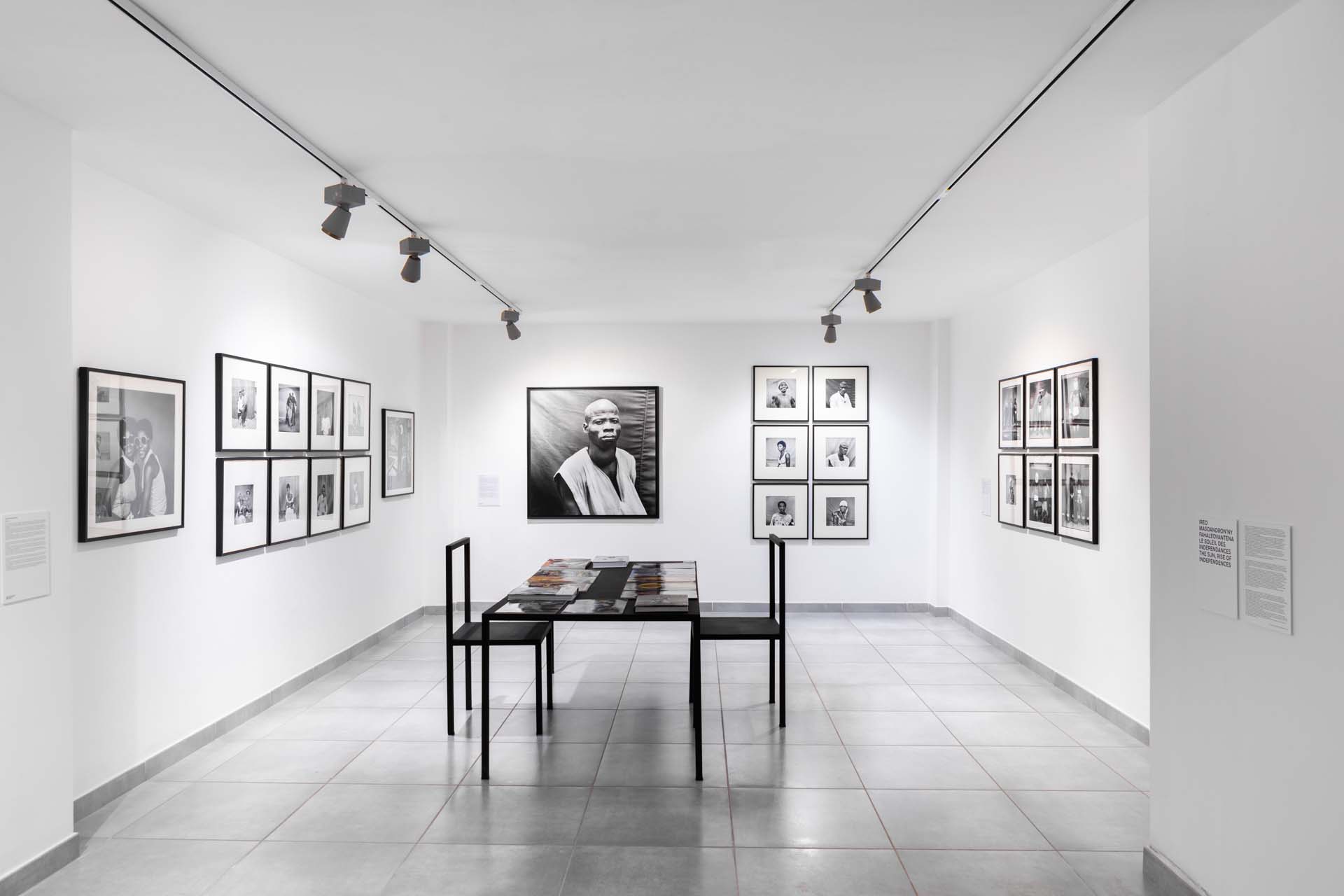
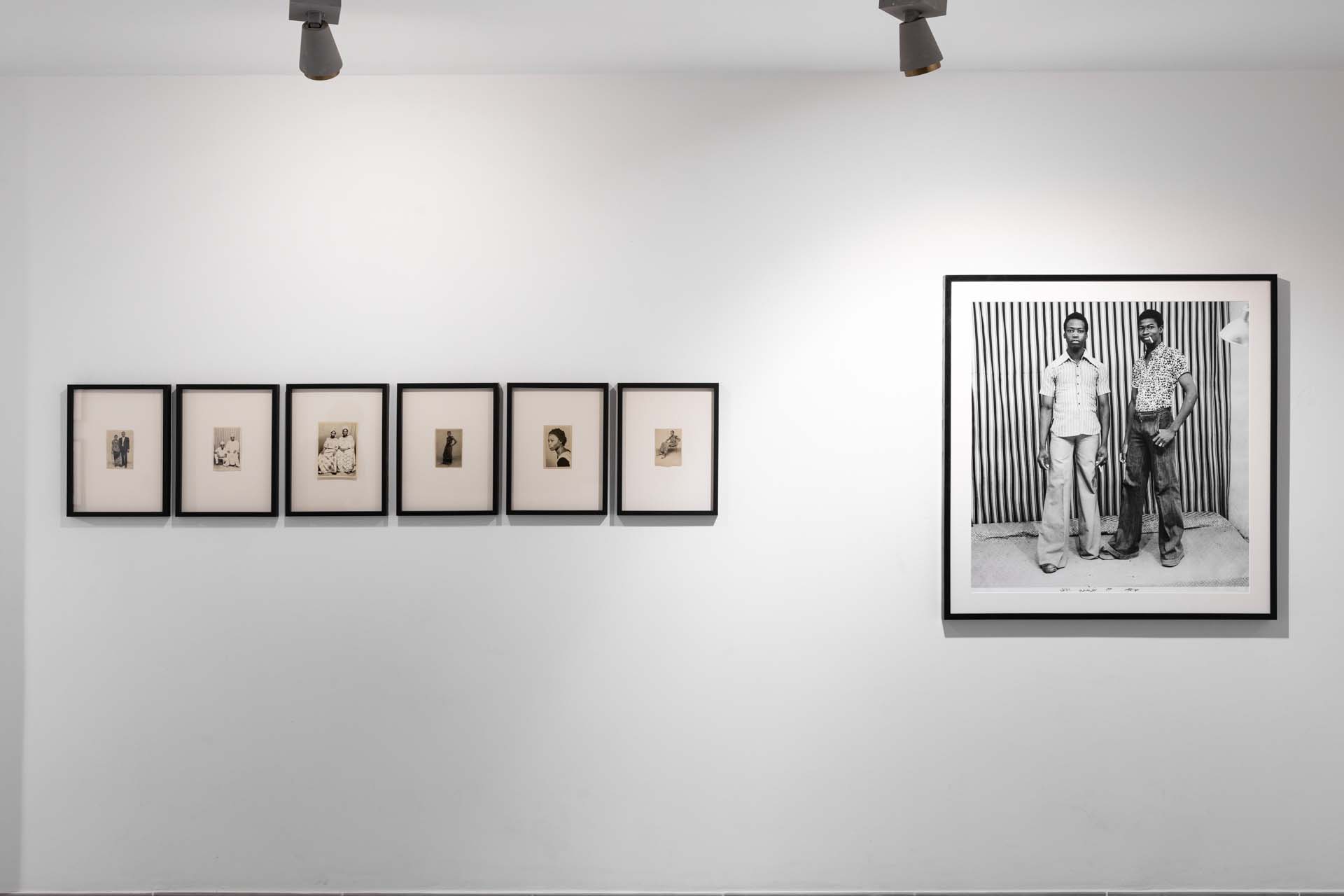
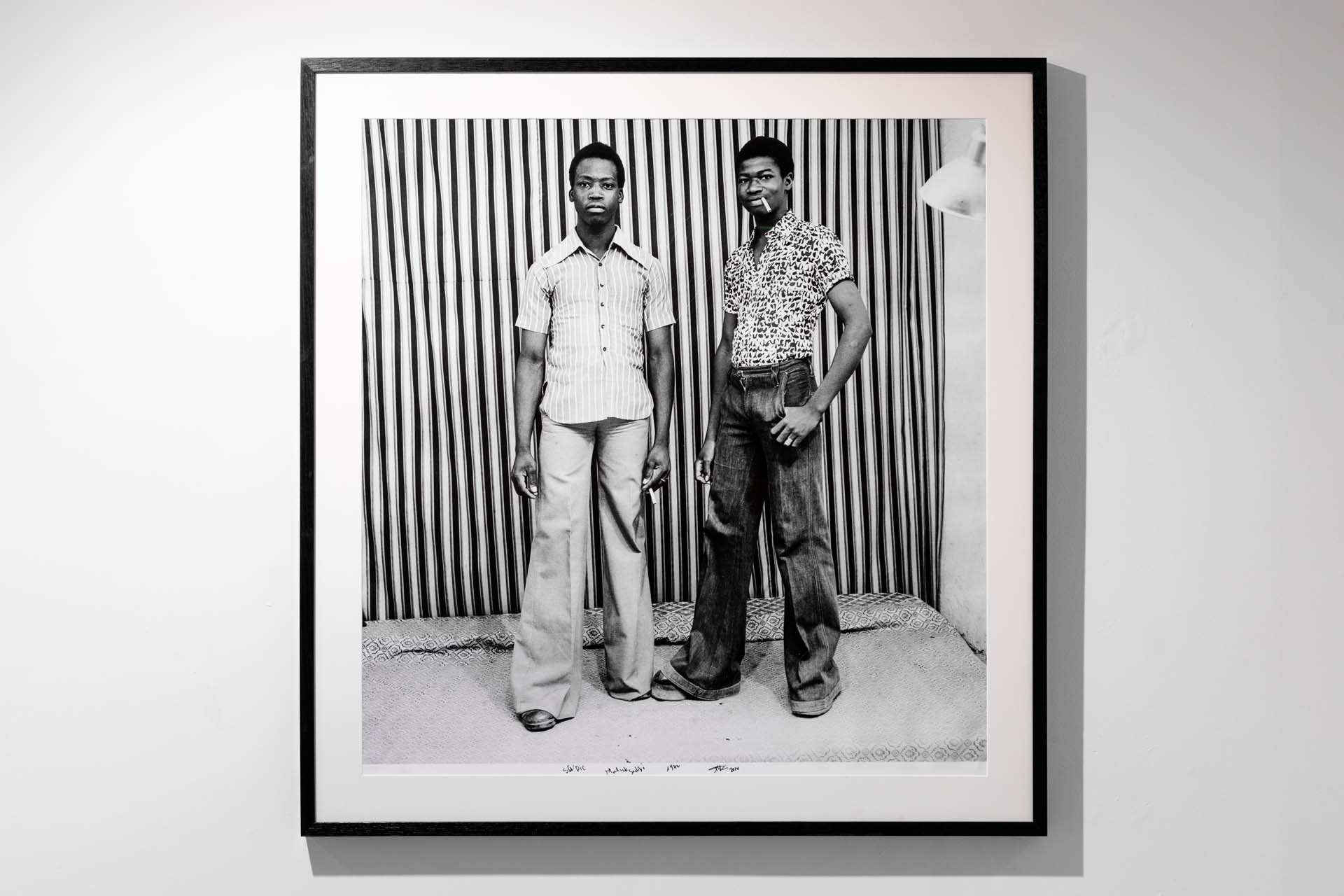
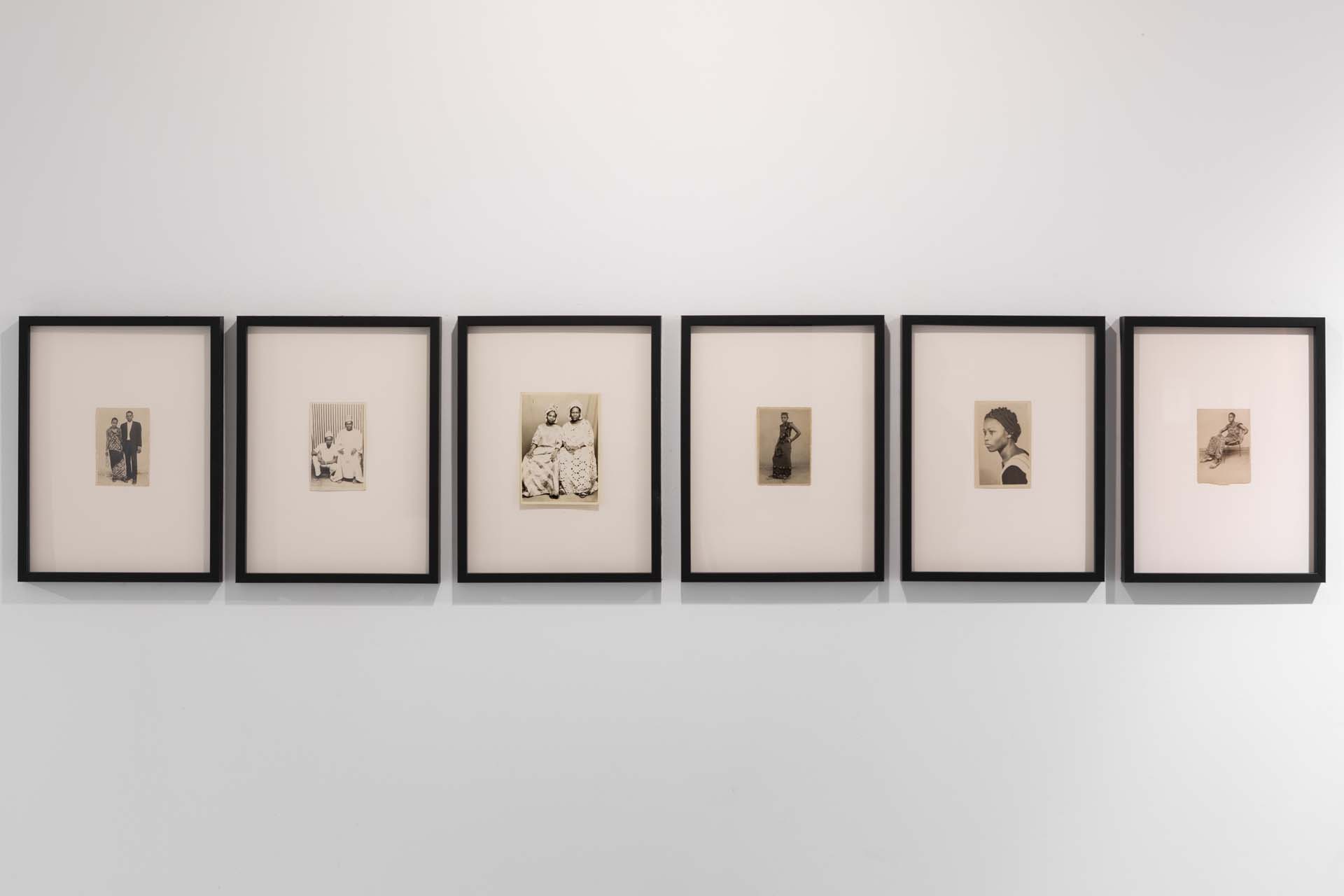
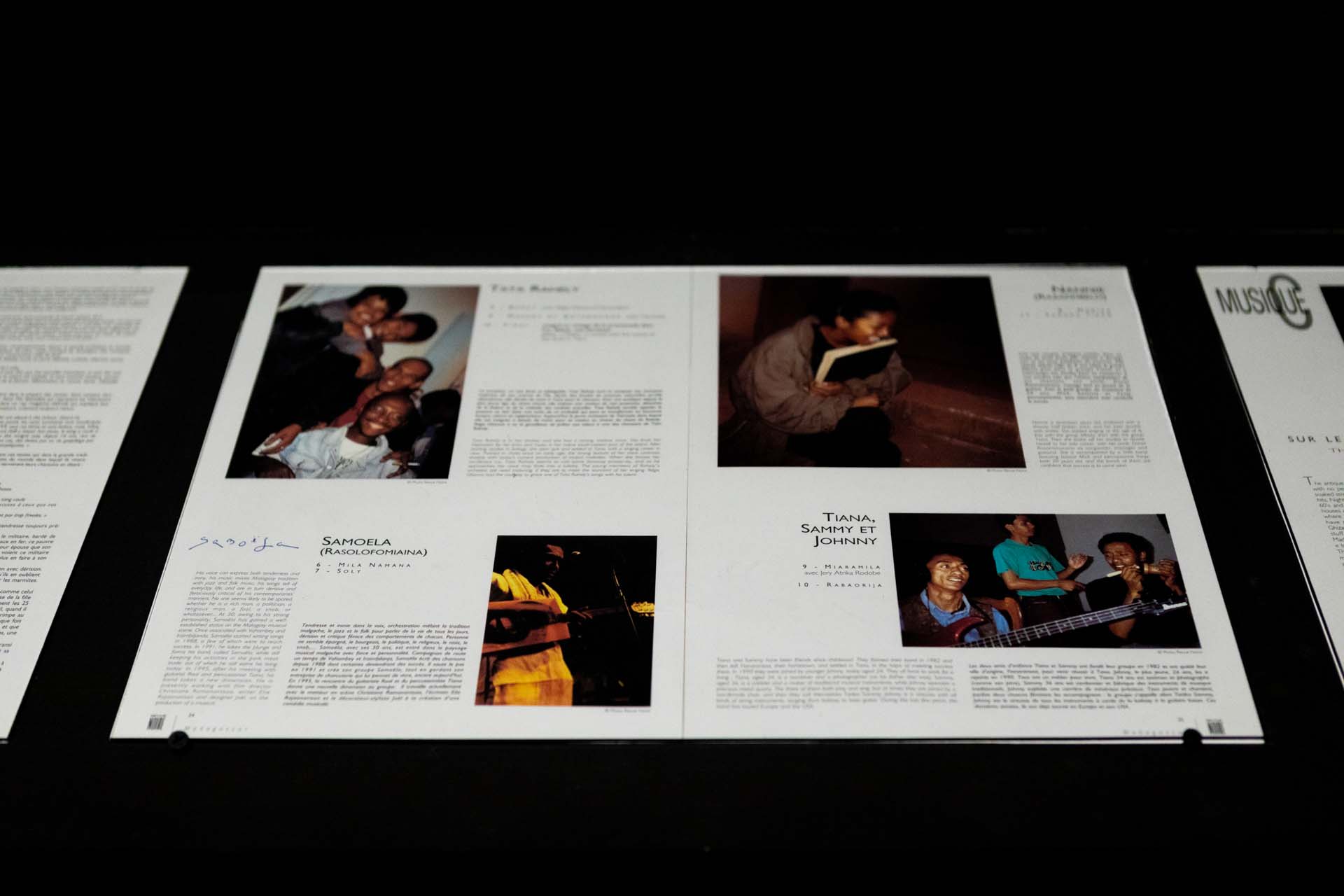
In the Madagascar issue published in 1997, nearly twenty Malagasy photographers were featured. Today, the exhibition presented in Antananarivo naturally focuses on this history of African photography through 140 photographs, the vast majority of which are original prints and vintage works.
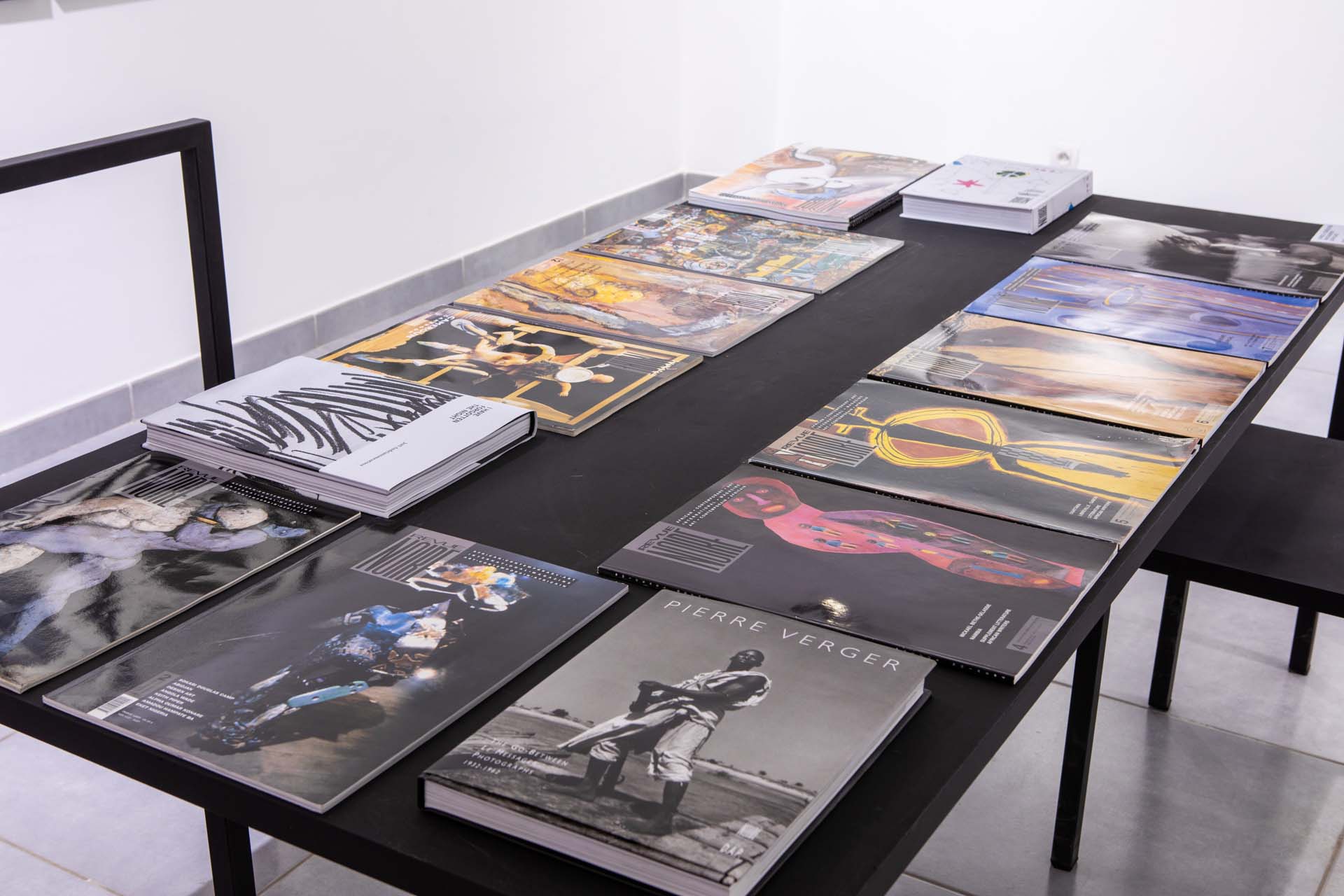
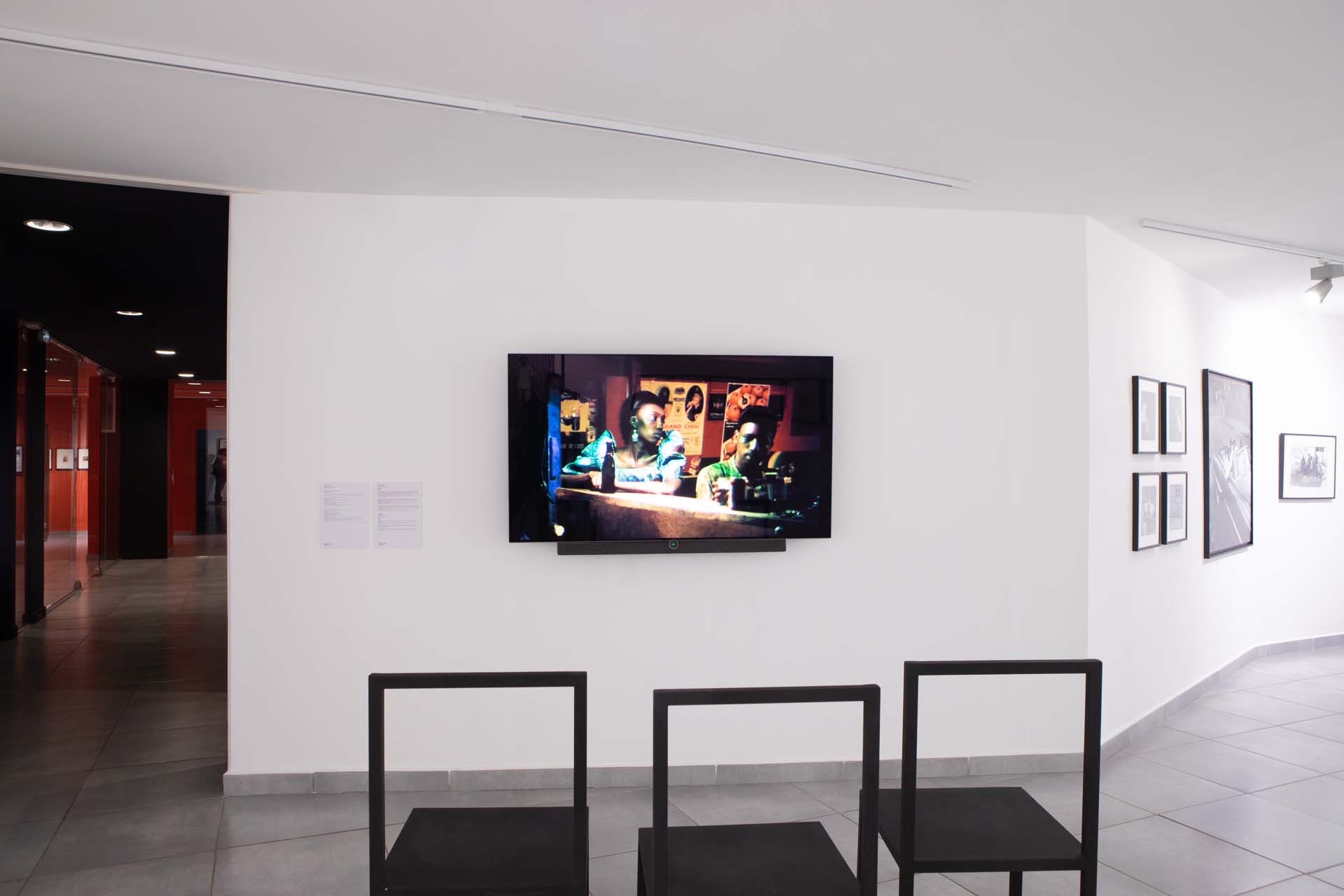
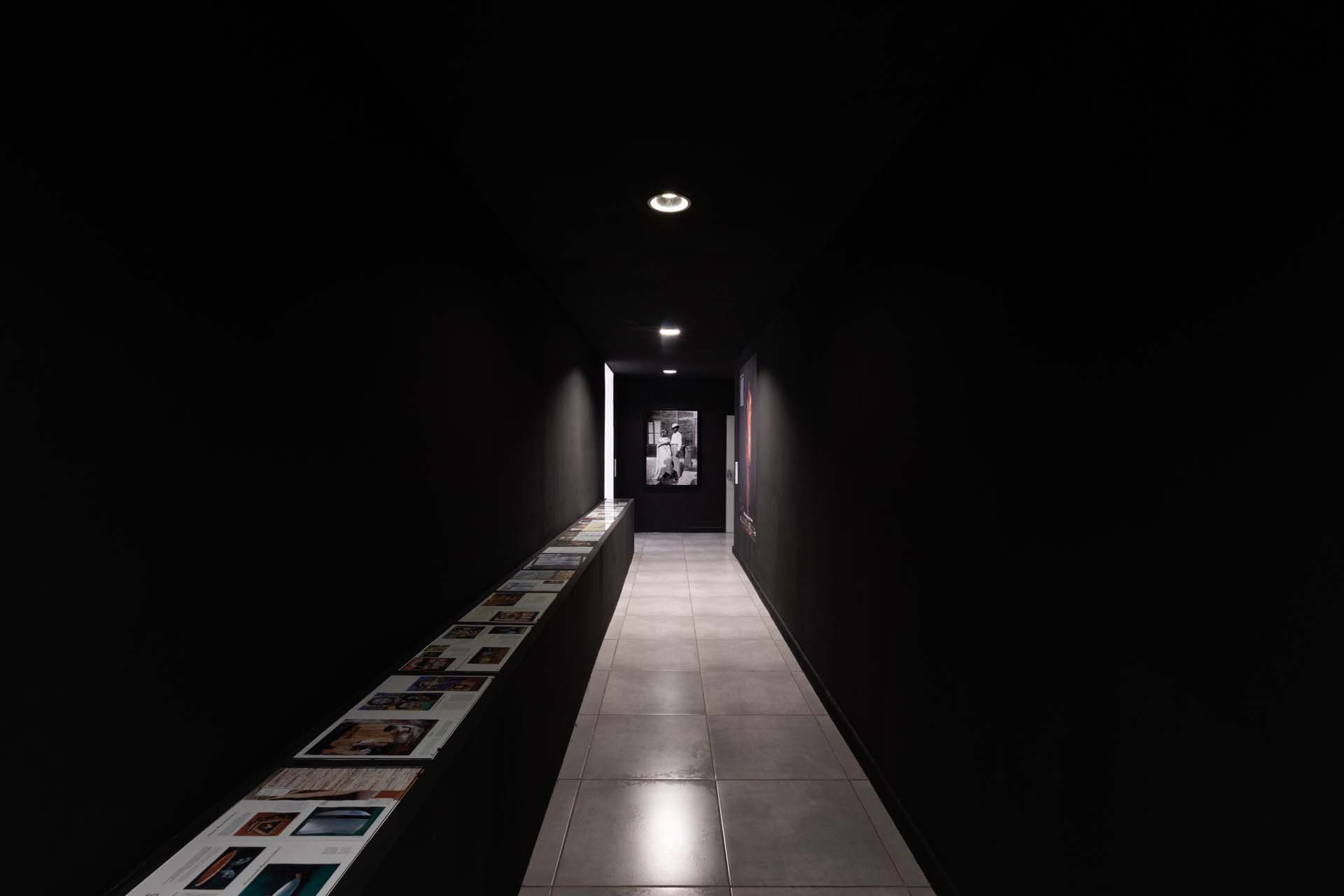
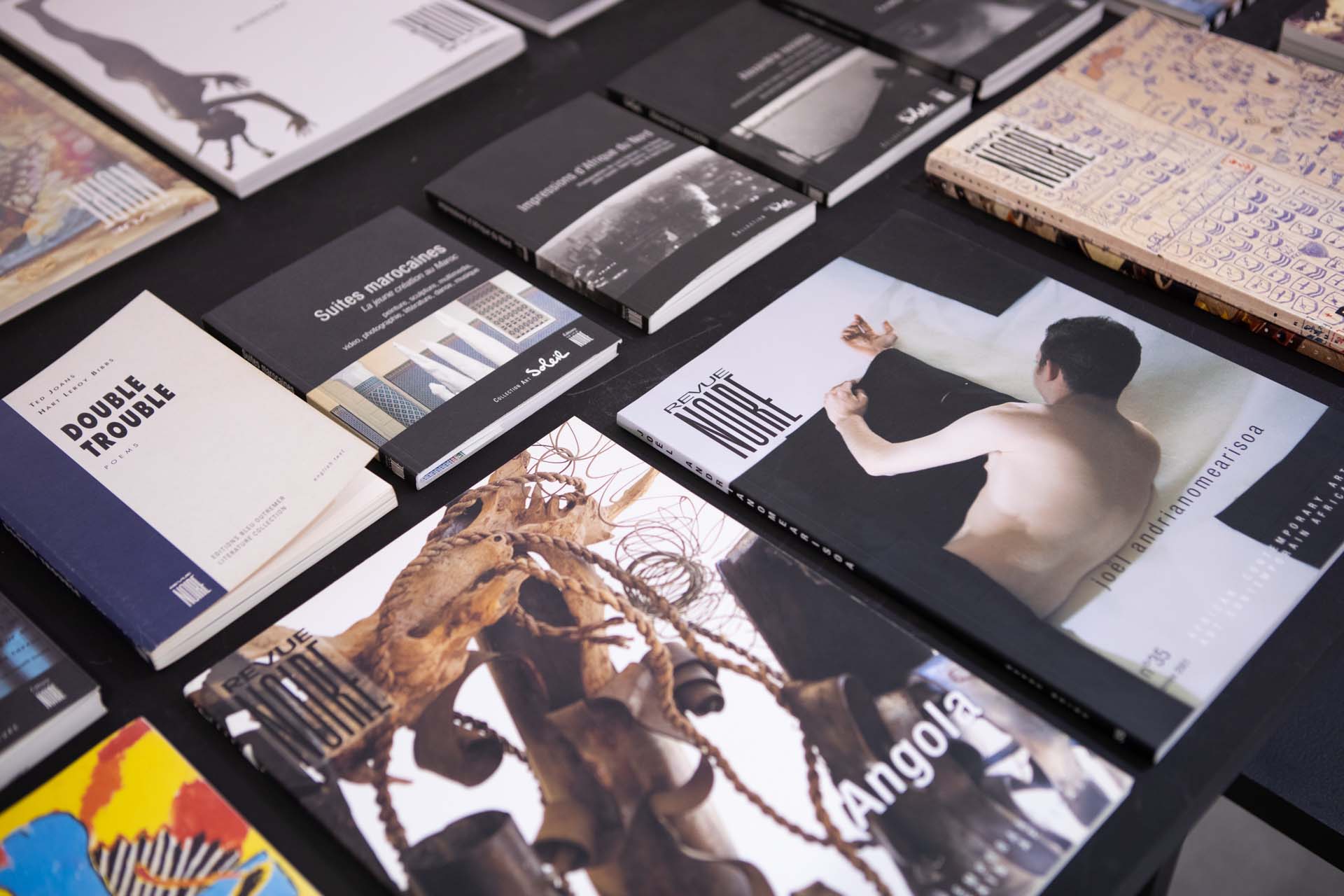
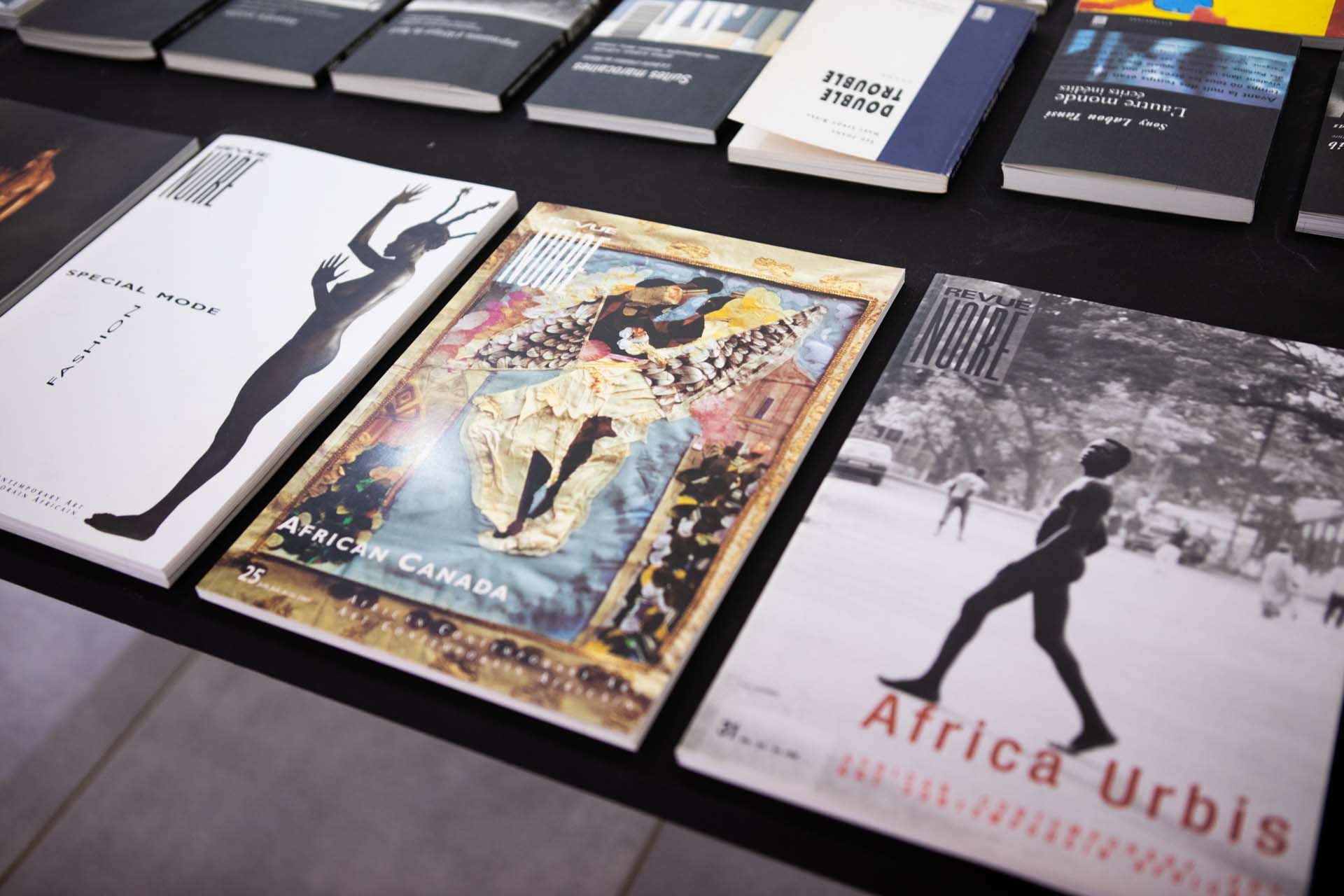
Videos produced by Revue Noire are screened throughout the exhibition, while the complete collection of Revue Noire publications is displayed, allowing visitors to engage directly with the publication's unique editorial approach and intellectual spirit.
Published quarterly, each issue offered a panorama of artistic creation built from editorial committees established locally, country by country. Other issues explored specific themes or disciplines, including photography, dance and fashion, while others addressed broader social realities such as urban life, food culture and the AIDS epidemic that devastated the continent.
Committed to this urgent struggle for survival and awareness, Revue Noire produced in 1995, at a time when no effective treatment yet existed, African Artists and AIDS—a multidisciplinary project comprising a special issue of the magazine, films by African filmmakers, a music CD and a television programme broadcast across African television networks.
This multidisciplinary and transversal approach has always been central to the spirit of Revue Noire. It was notably embodied in the exhibition Suites Africaines, presented in Paris in 1996, where visual artists, dancers, photographers, writers and performers were brought together within a vibrant space of encounters, exchanges and free circulation.
Today, the publishing house continues to produce books and exhibitions, most recently at the Musée des Abattoirs in Toulouse, presenting the many facets of Revue Noire through publishing, visual art, photography, music and video.
It is within this same spirit that the exhibition presented at Hakanto Contemporary has been conceived.
Jean-Loup Pivin · Pascal Martin Saint Léon
2022