PIERROT MEN
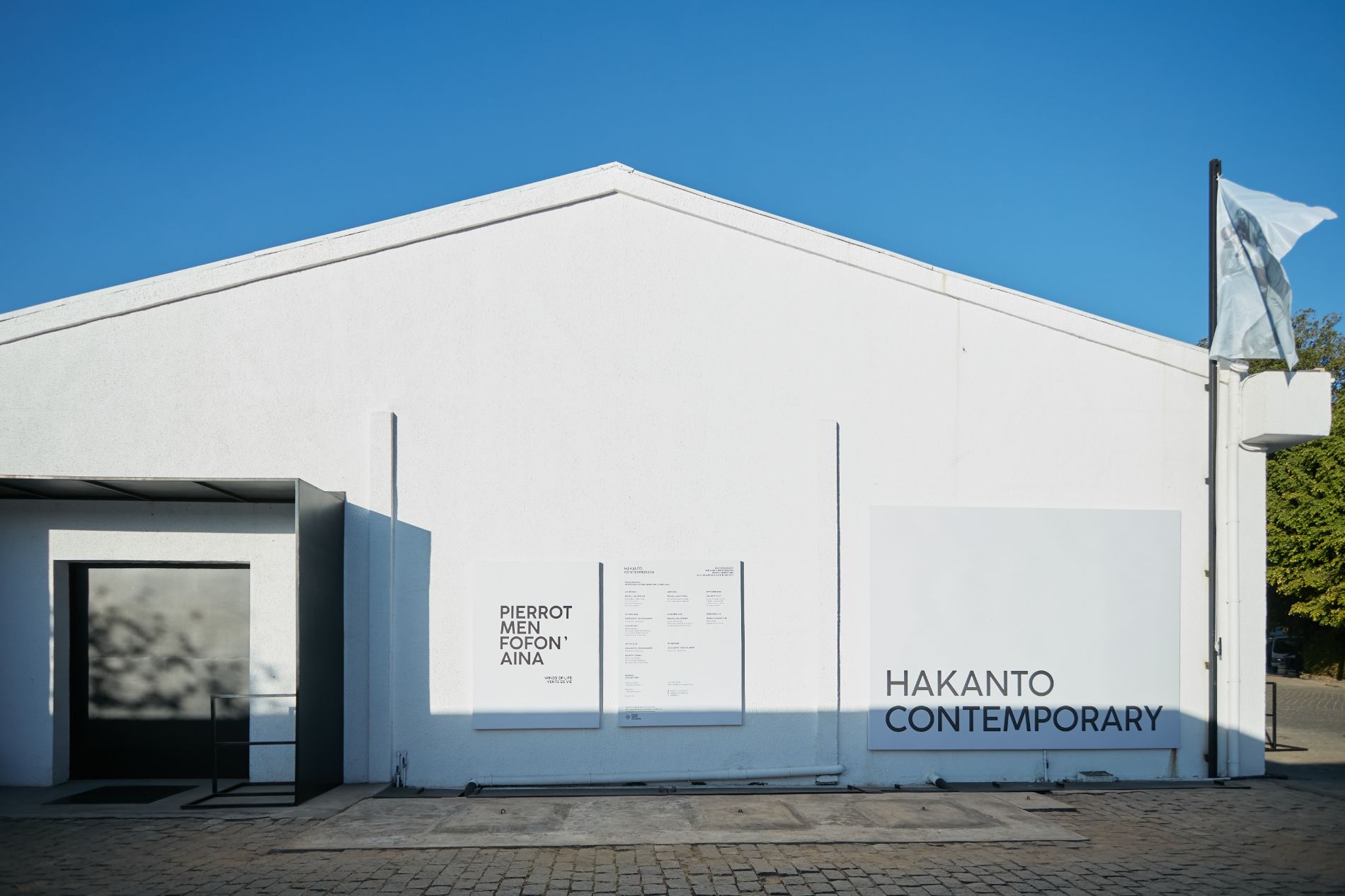
FOFON'AINA
WINDS OF LIFE . VENTS DE VIE
04.07.2026 - 14.02.2027
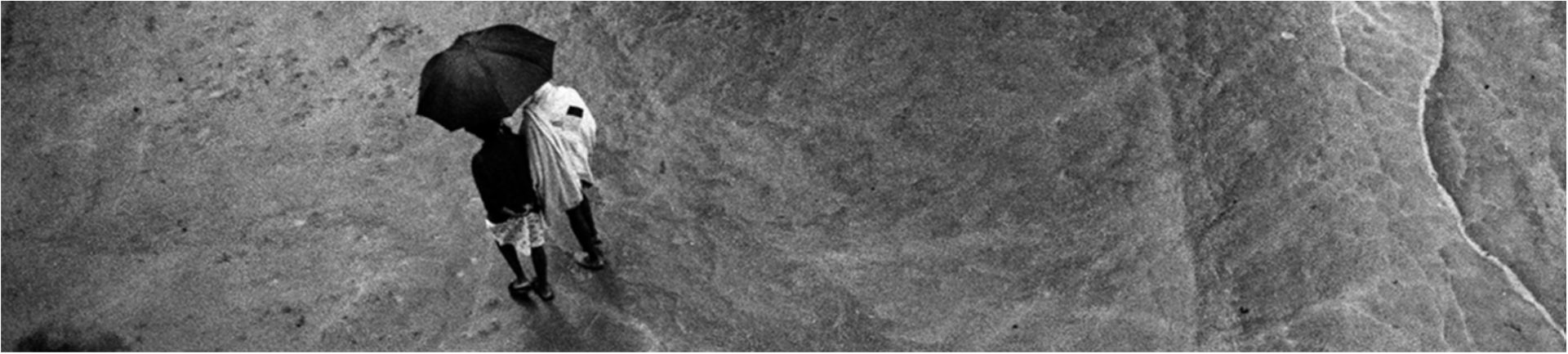
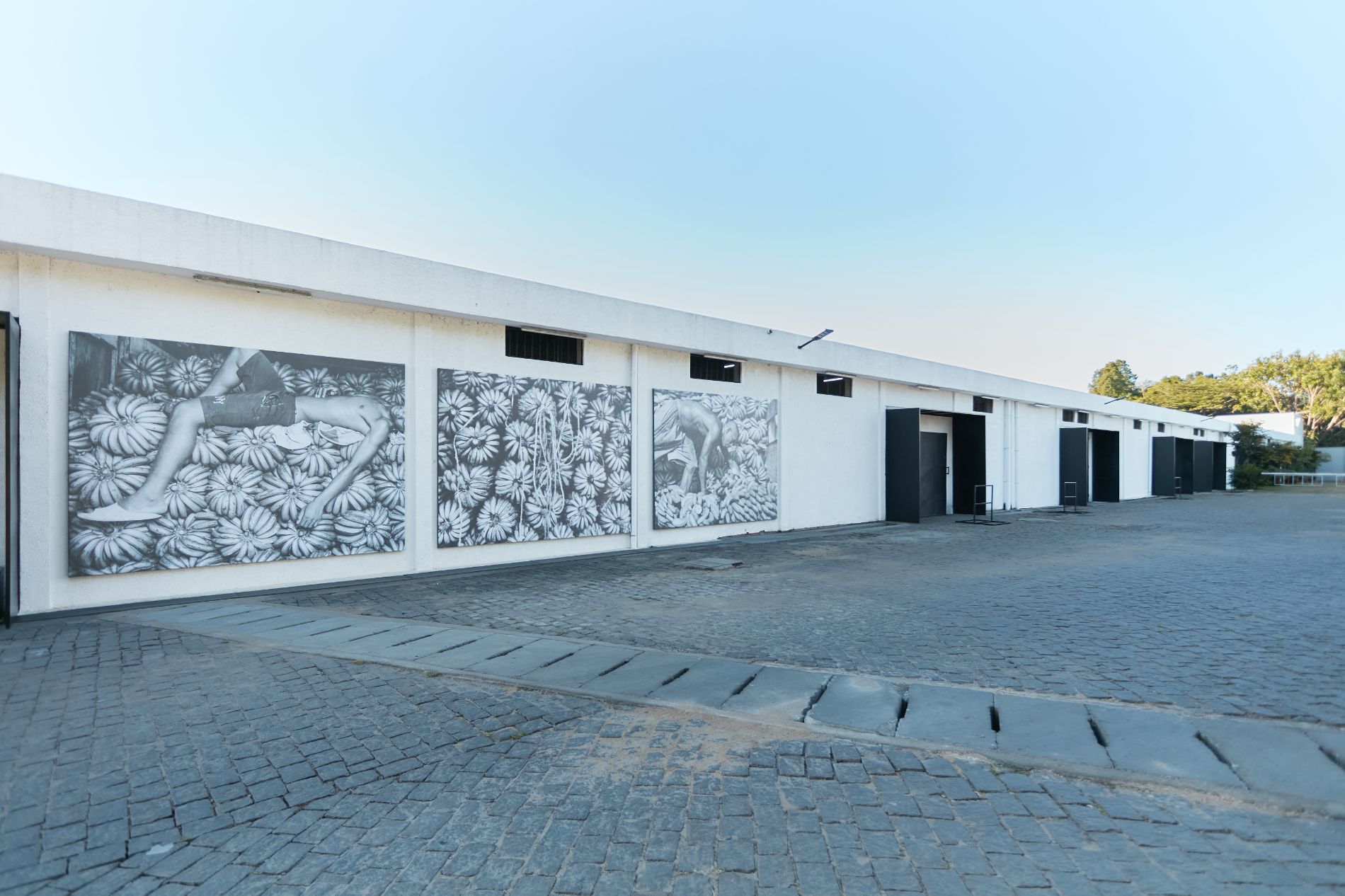
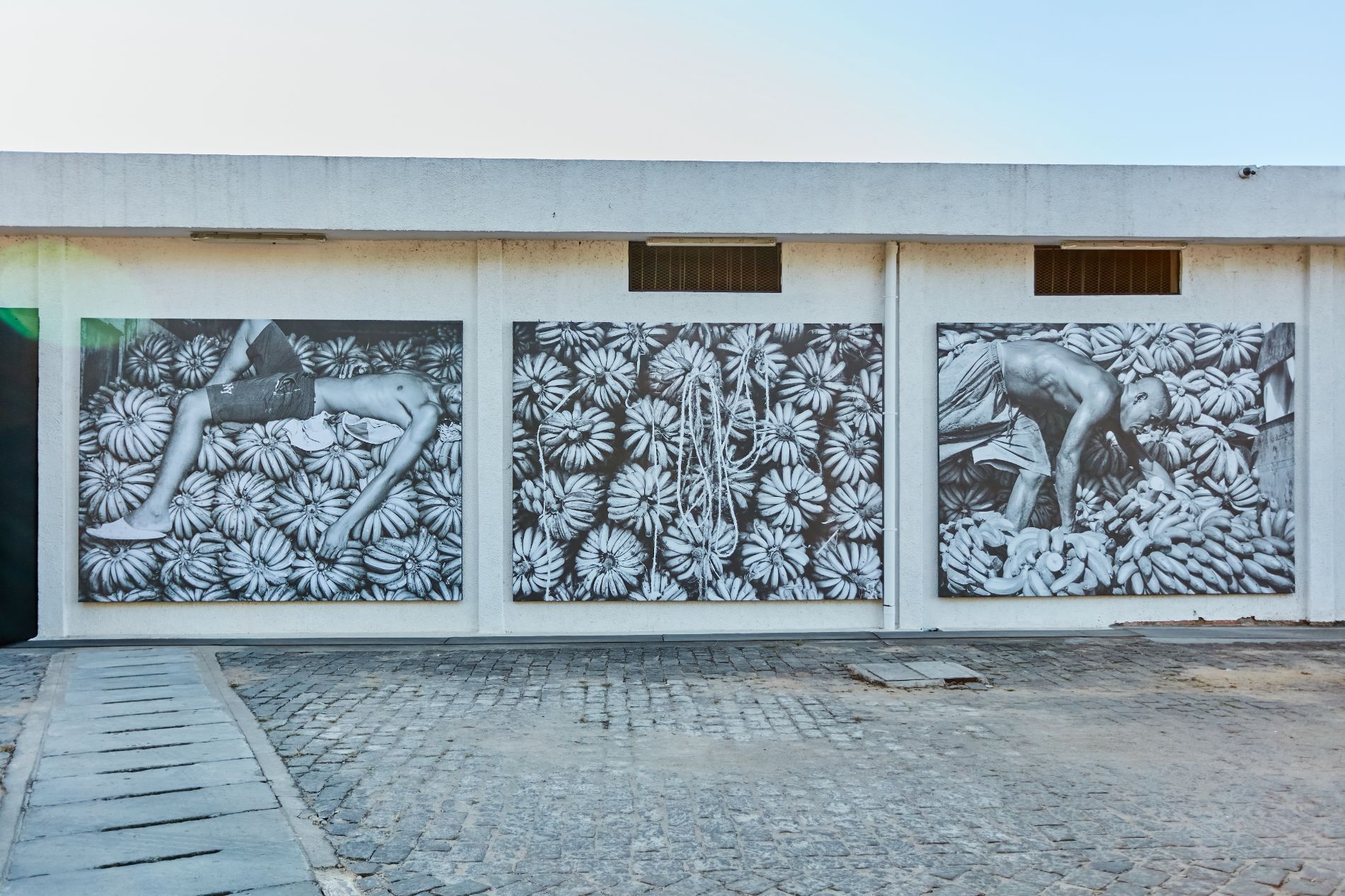
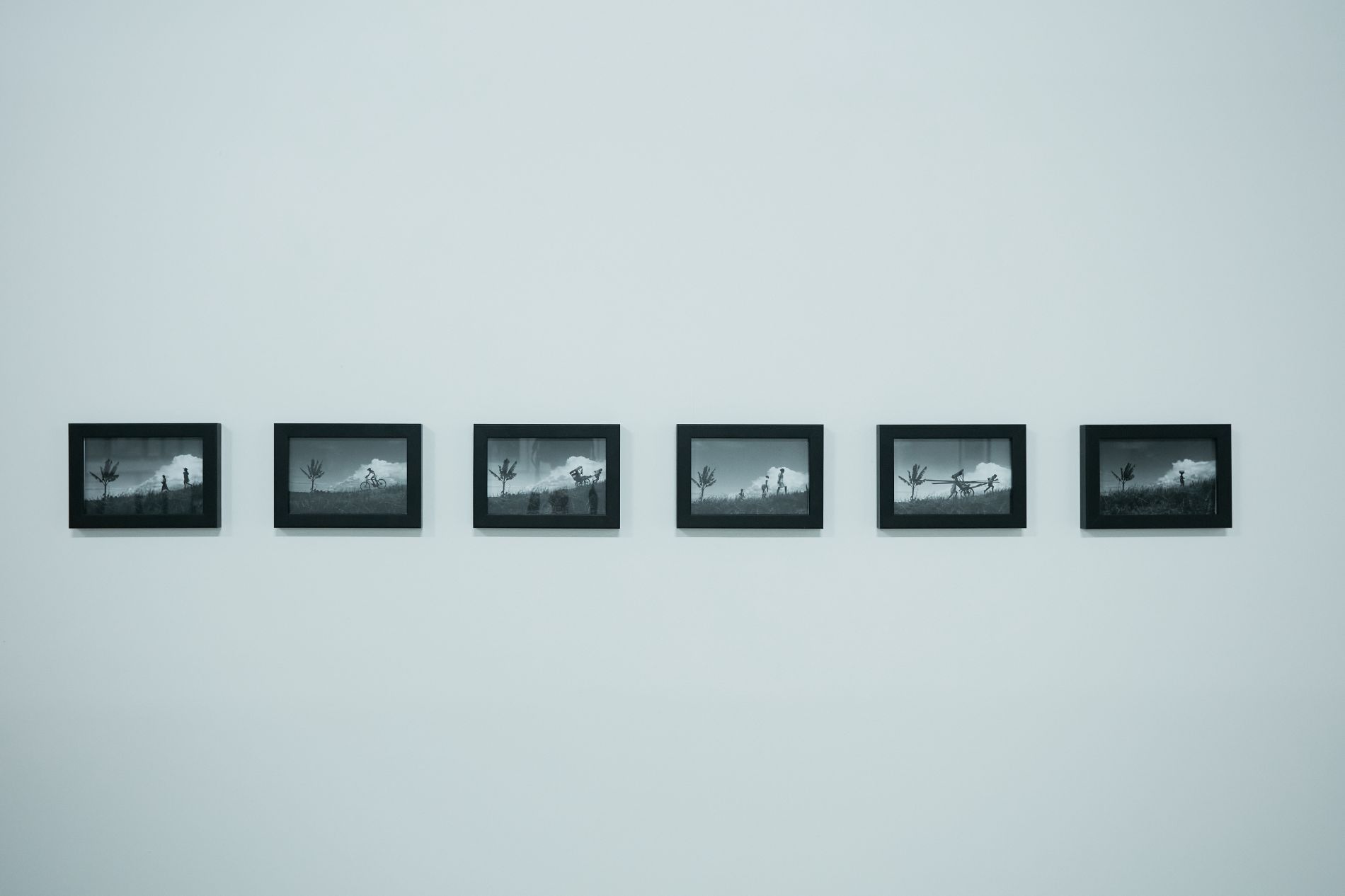
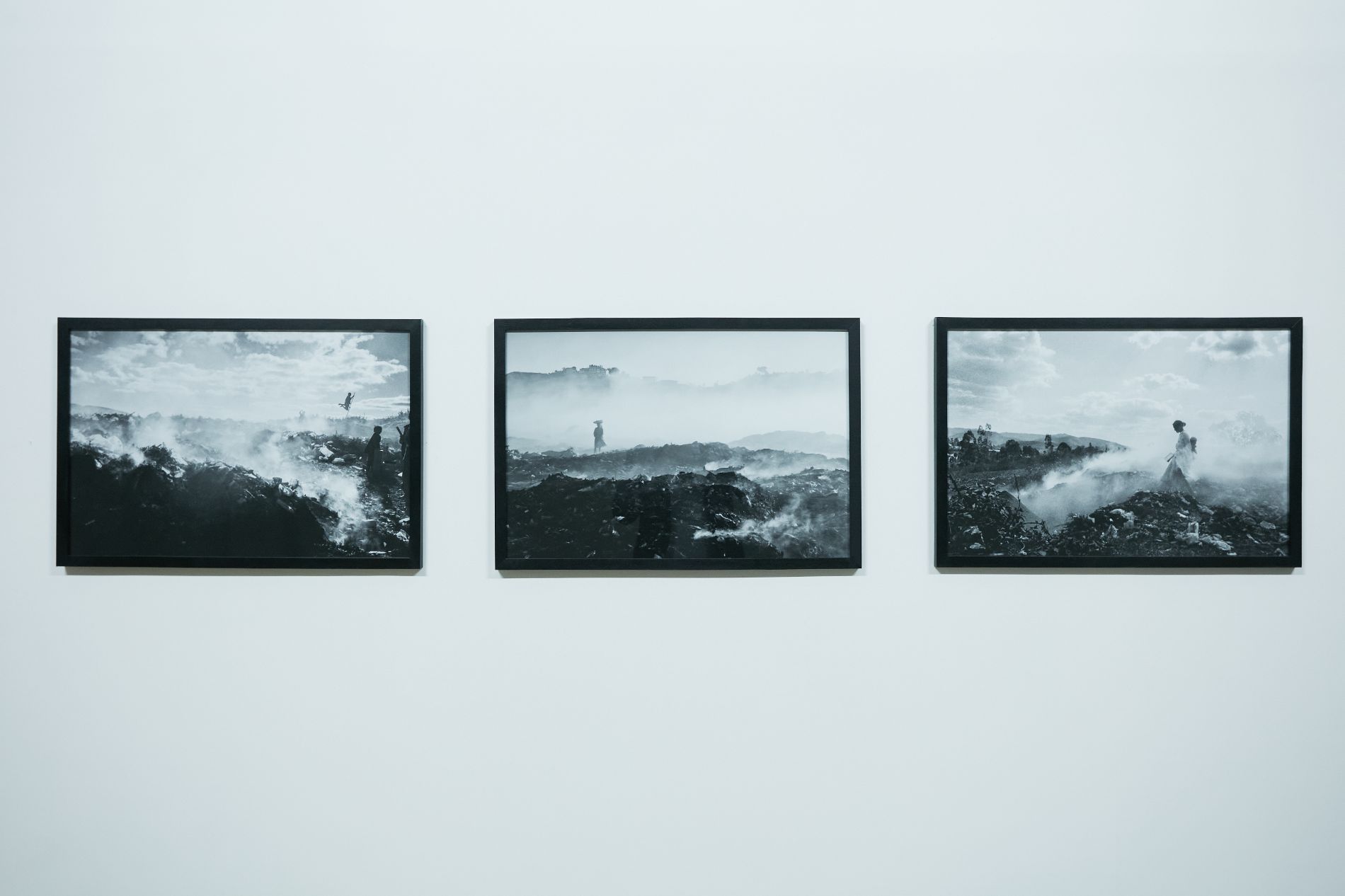
©Pierrot Men . The Veins . Fianarantsoa . 2002
Season four
An exhibition dedicated to Pierrot Men
Curated by Joël Andrianomearisoa
and Rina Ralay Ranaivo
Pierrot Men
Time rushes onward, matter dissolves into universal sorrows, moods shift, and current events devour the everyday.
Within this vast constellation, it becomes impossible to lose sight of the human being, the central and defining point of existence, of our destinies, our days and our history.
Here is Pierrot Men.
Pierrot beyond his work and beyond his images.
Pierrot with his winds of life.
Pierrot of the whole and to the infinite.
Afo mandoro ny fo.
Aina tsy misy fetra — Afo - Feu - Fire - Fo - Cœur - Heart - Aina - Vie - Life.
Fofon’aina - Vents de vie - Winds of Life. Pierrot Men.
The perspective of this exhibition eludes any fixed or definitive form. It unfolds the breadth of a creative journey across an extended span of time, yet above all it recounts the destiny of a singular and exceptional man, whose ardent heart breathes across a Malagasy journey that is both universal and timeless.
FOFON’AINA, which may be regarded as the first major retrospective devoted to Pierrot Men, is not merely an act of celebration. It emerges from a profound desire and the deep affection of his fellow countrymen to offer him a living tribute, to an artist of life, of our life.
This exhibition is about photography, but not only. The image exceeds its frame in abundance, much like the man himself. Pierrot Men, a man of life and of all its lives. A seducer of our modern age. Pierrot Men, an author of emotion. An artist who inhabits the world in a profoundly singular manner, at once simple and humble. Pierrot, the cherished one. Pierrot, the friend.
For this reason, the exhibition has been conceived with sensitivity, seeking to reflect these multiple trajectories without fixing them in place. Above all, it attempts to capture those fragile moments in which a life becomes a gaze. This endeavour seeks to offer Pierrot Men a recognition commensurate with who he is and what he embodies, whilst inviting audiences to encounter his work anew, illuminated by the course of his life.
FOFON’AINA summons something invisible yet essential: breath. The breath that traverses lives, landscapes, gazes, impertinences, bodies and memories. The breath that circulates between generations, territories and the images themselves. Here, photography is not merely about showing; it breathes.
In Pierrot Men’s work, the image always carries more than it reveals. It contains the trace of a man, of his convictions, his wounds and his silences.
The present of all consecrations and all forgettings.
The moments of yesterday and the tomorrow yet to be built anew.
FOFON’AINA unfolds as a conversation between multiple temporalities.
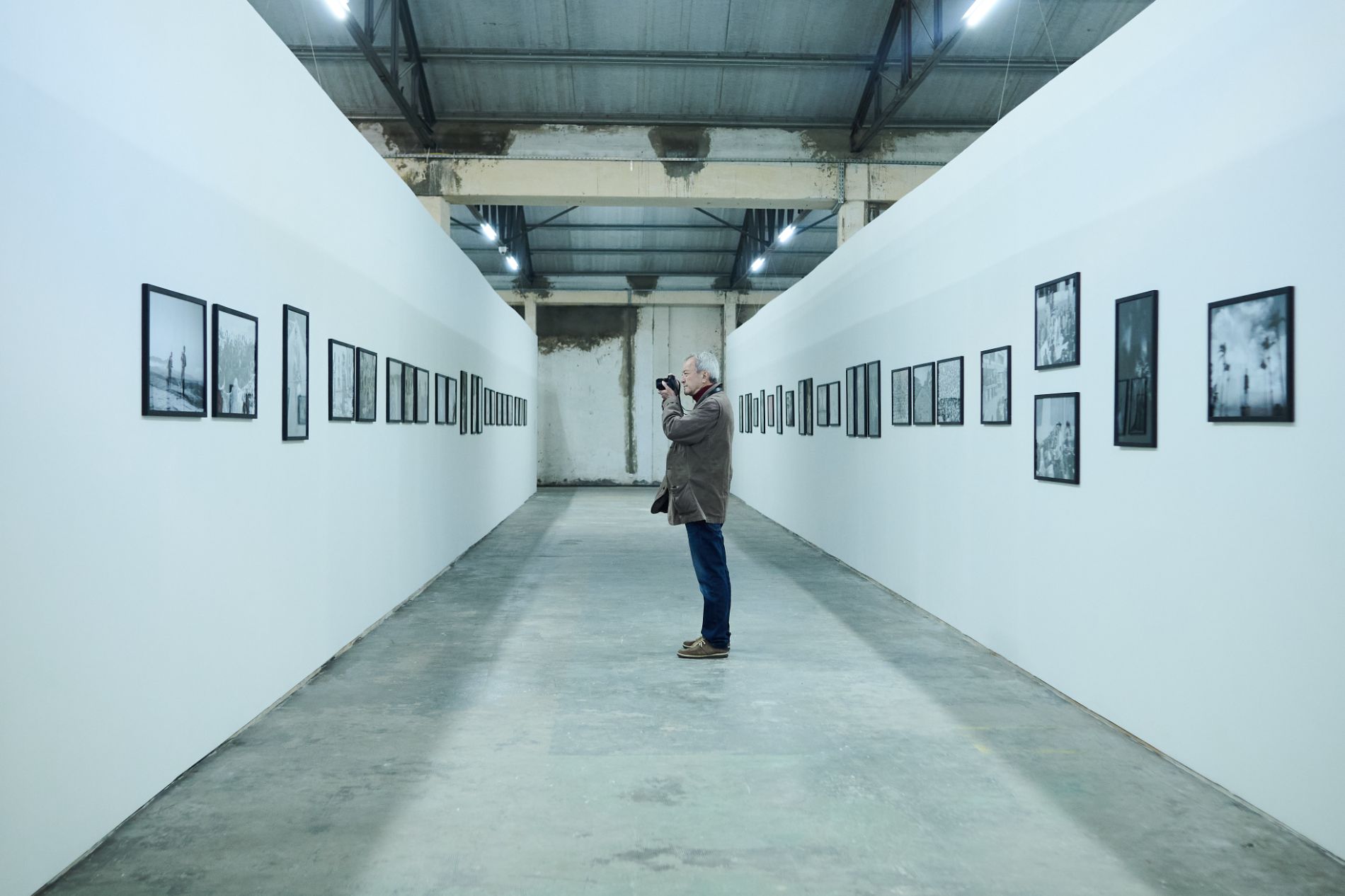
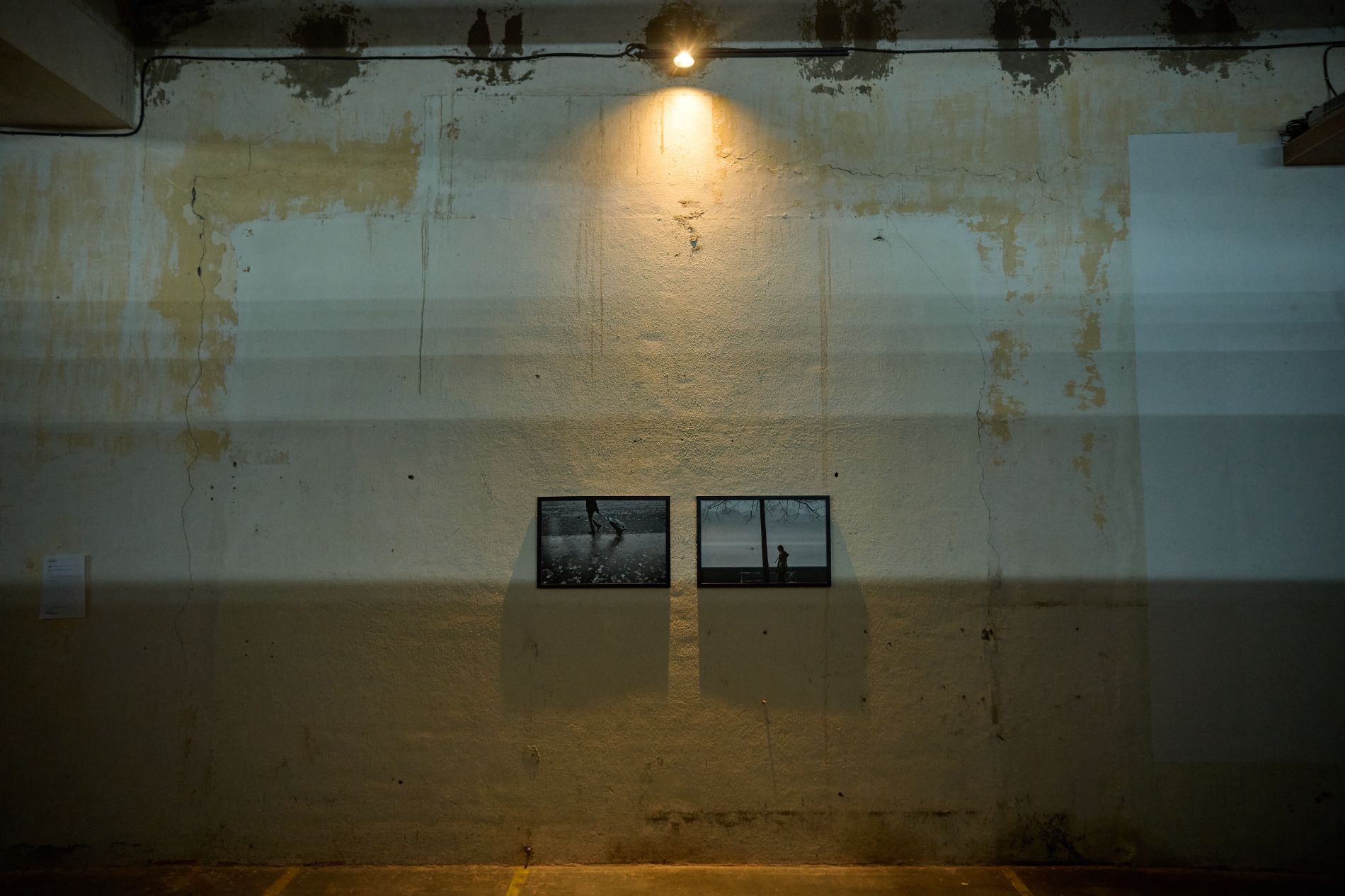
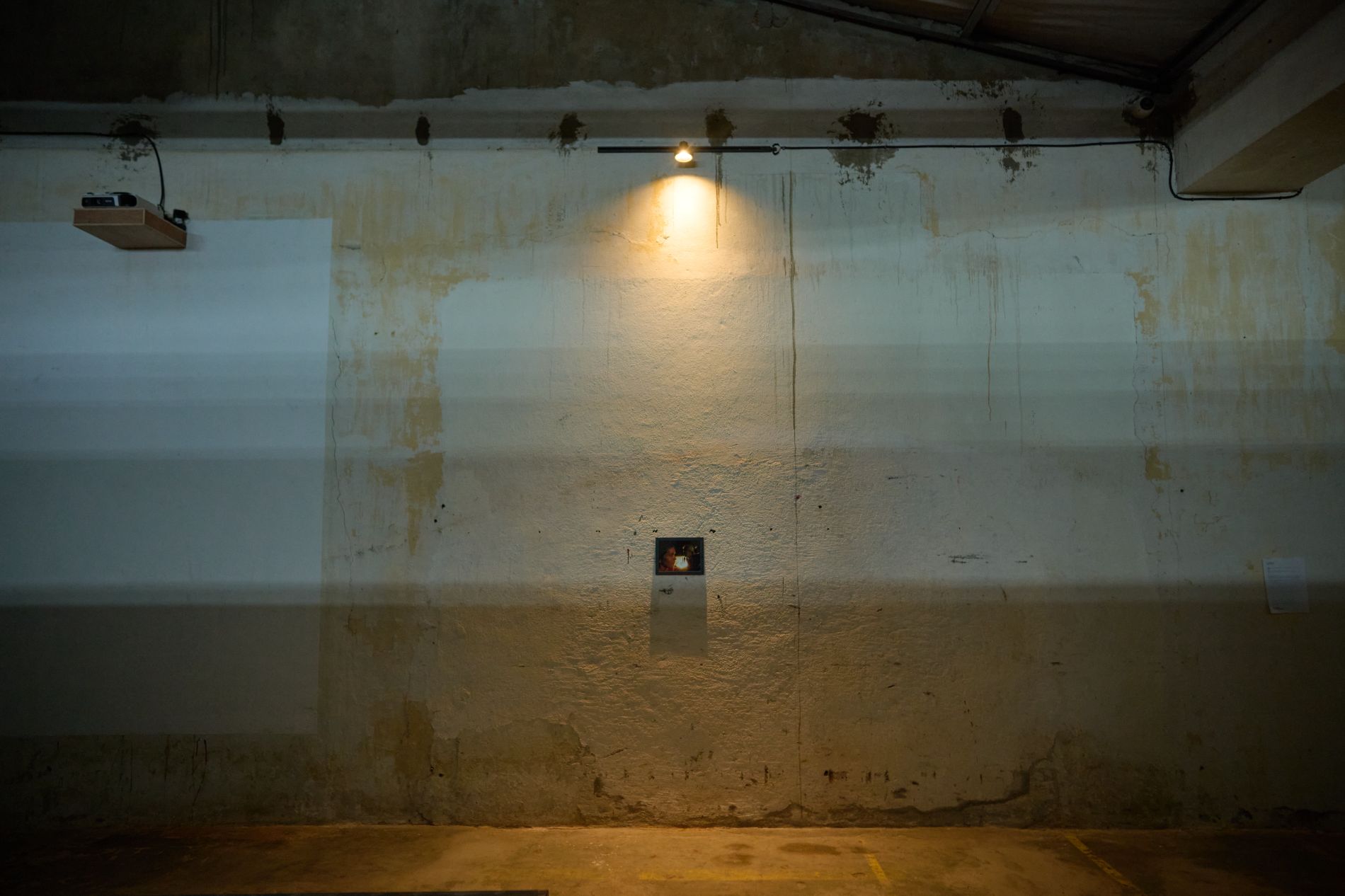
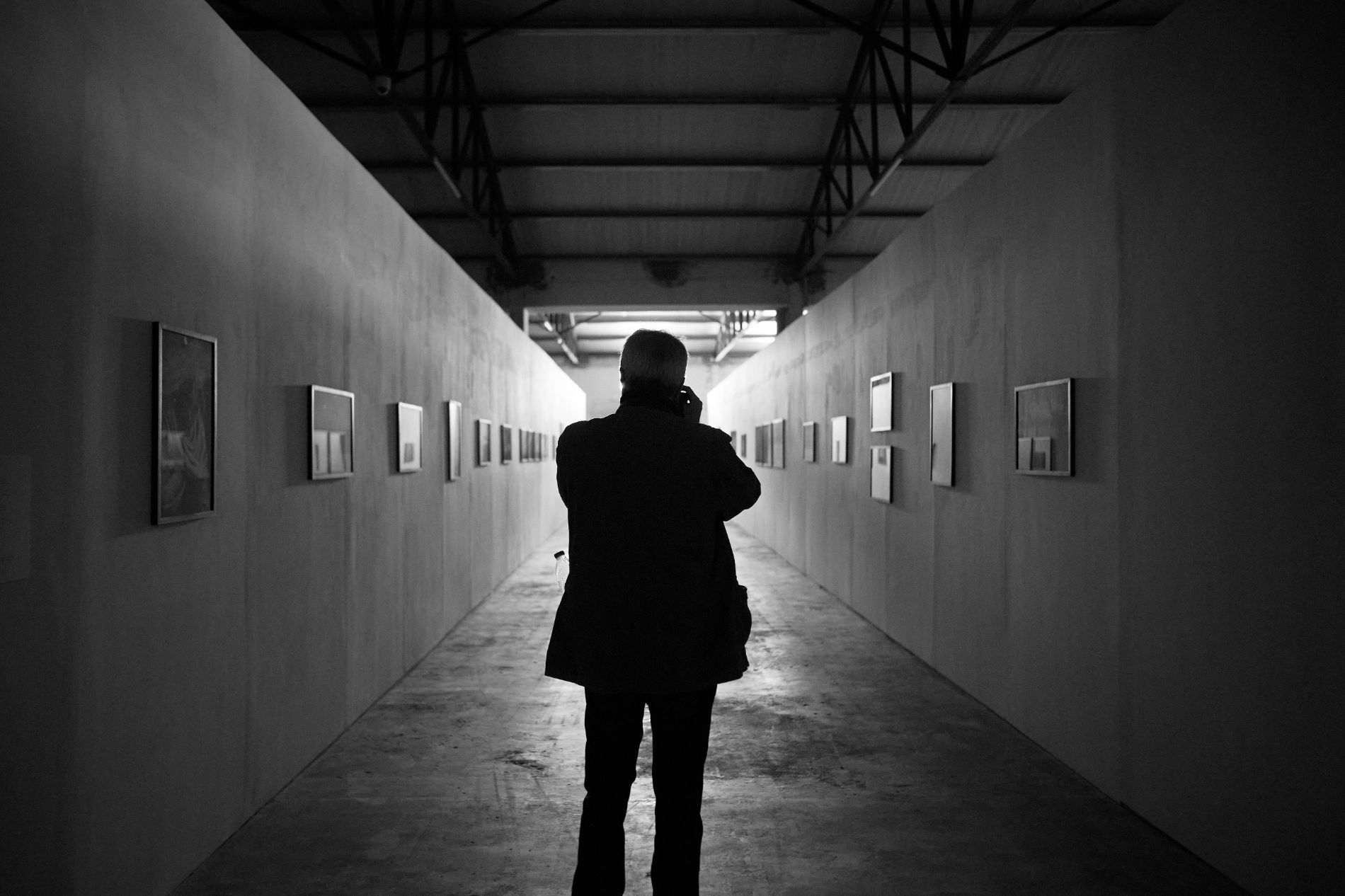
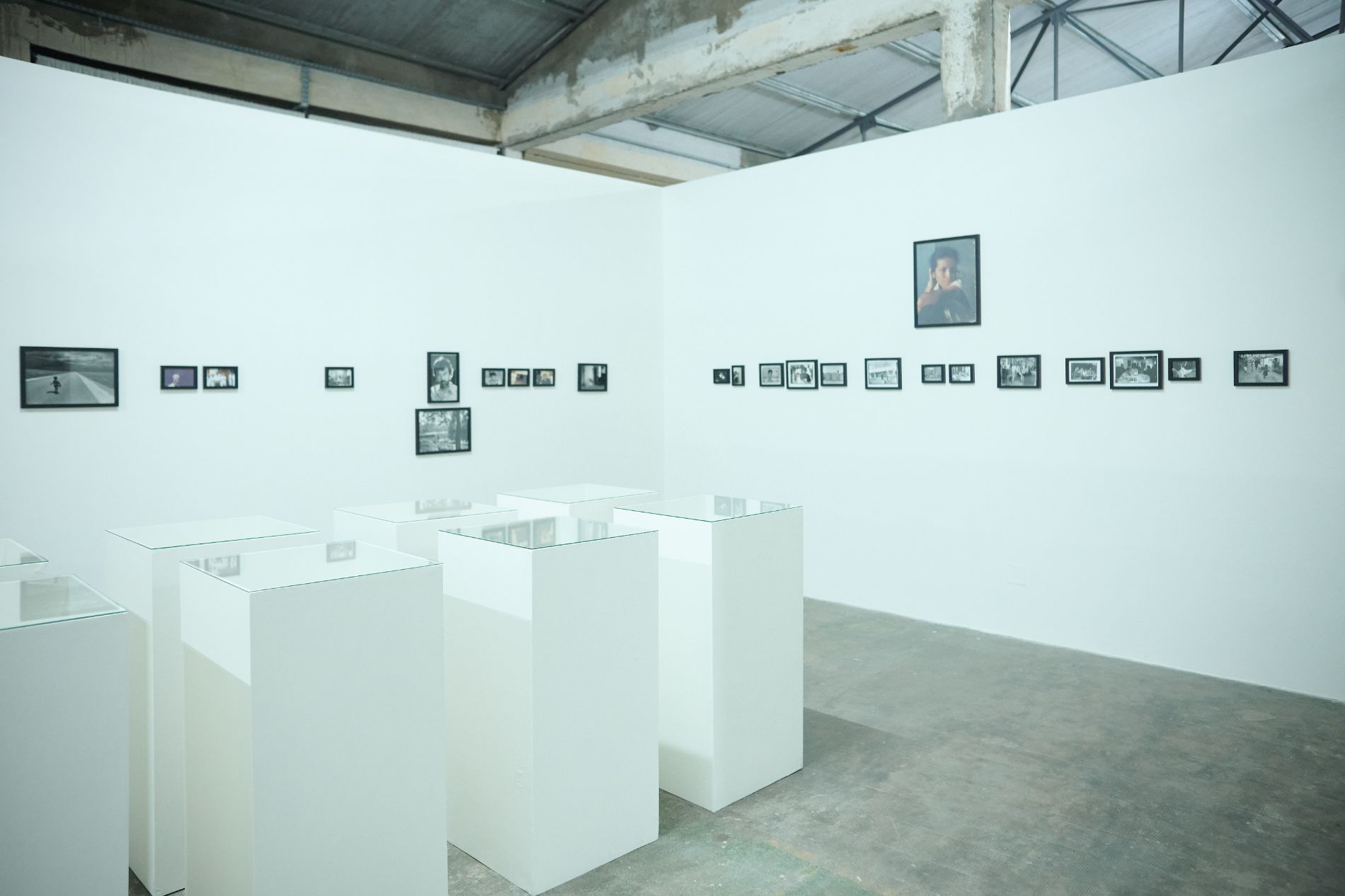
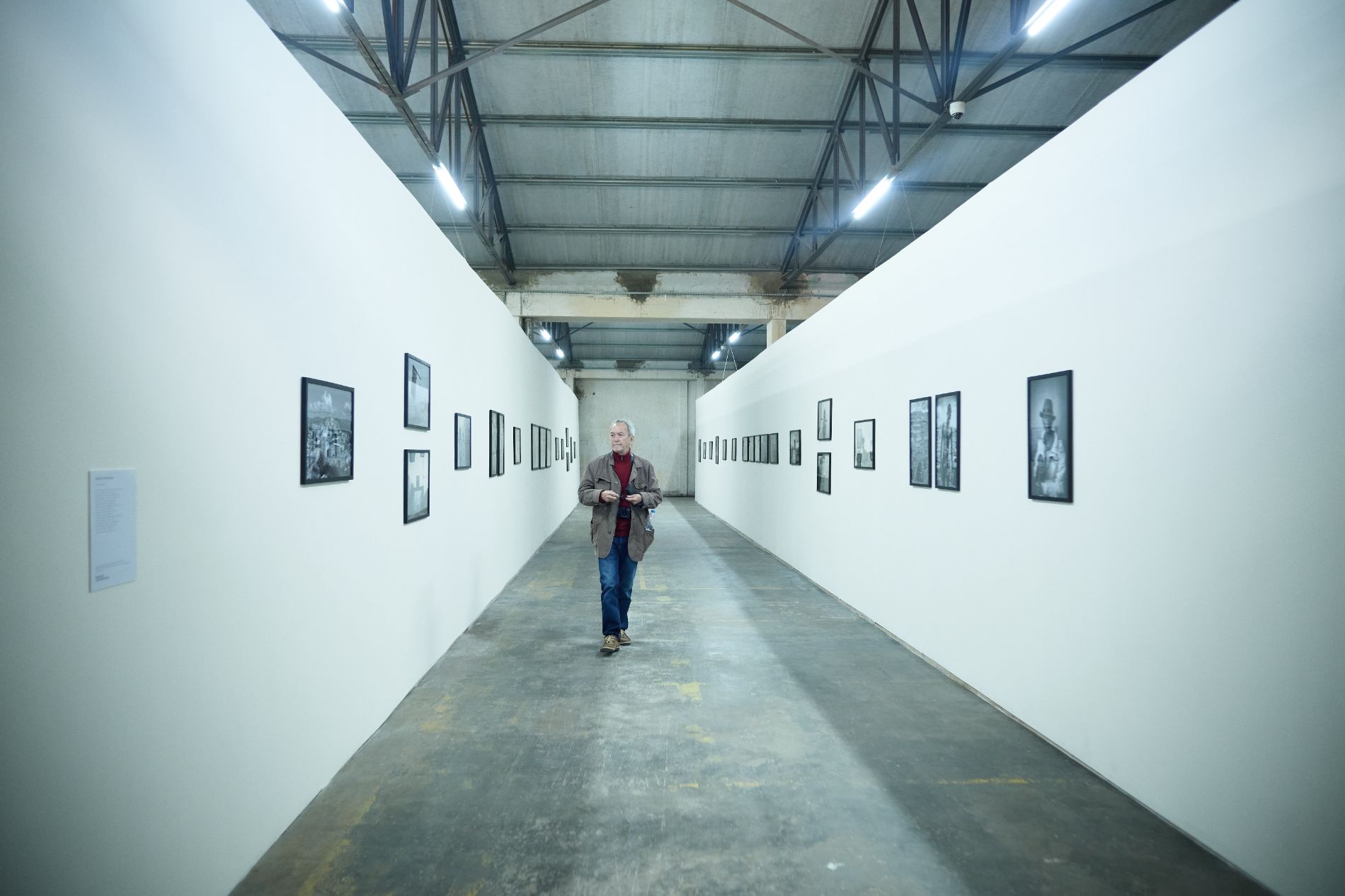
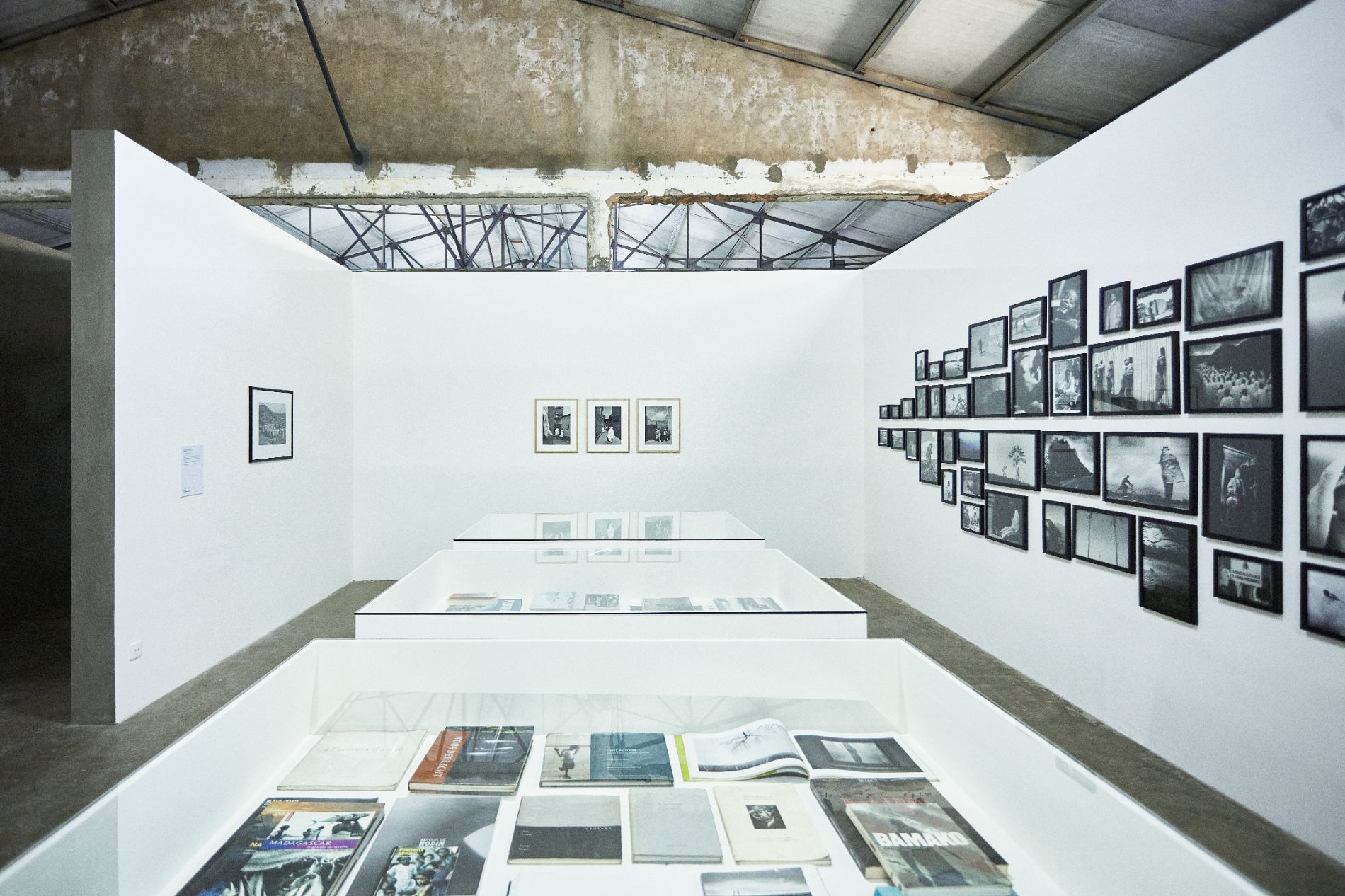
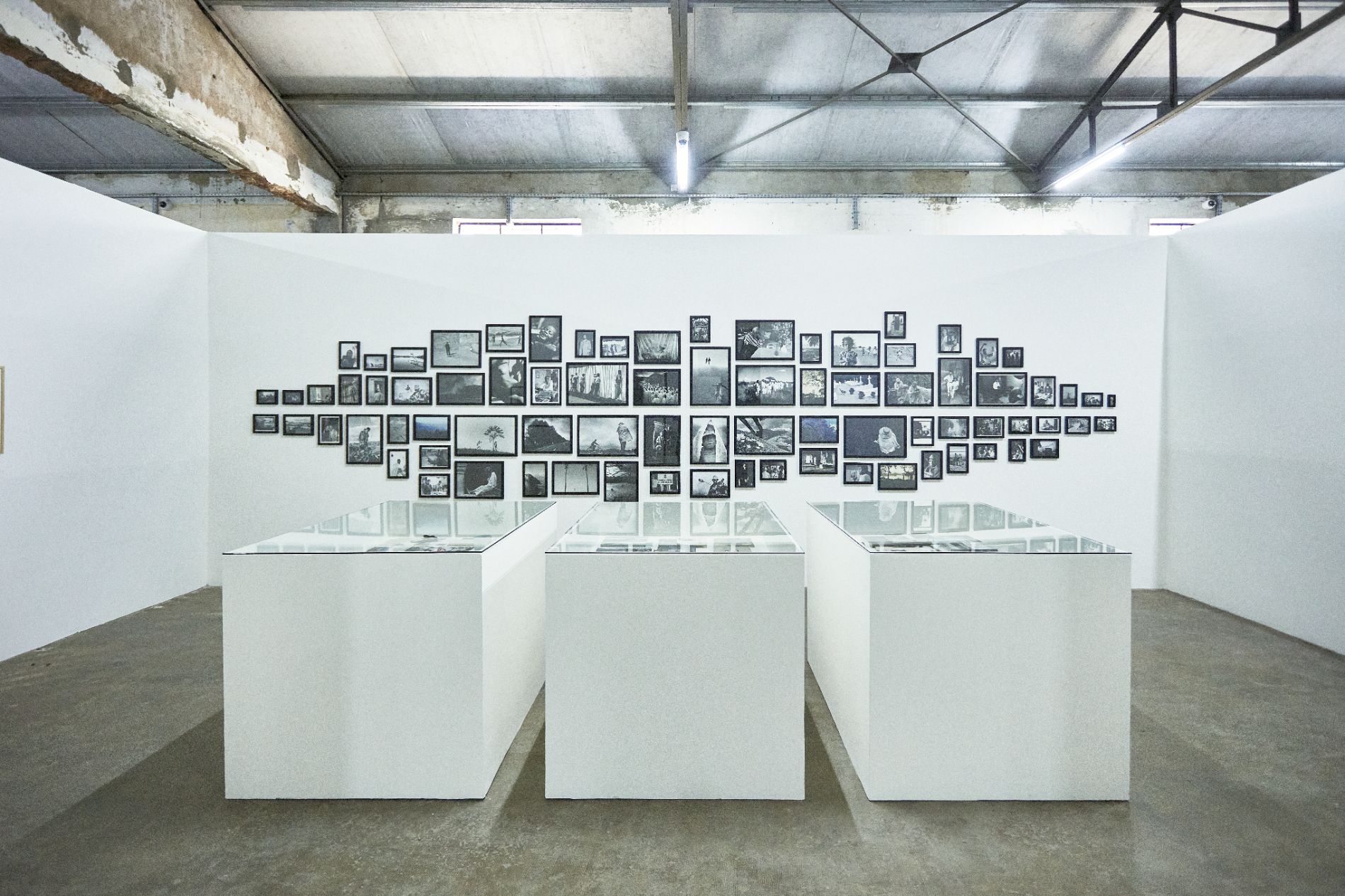
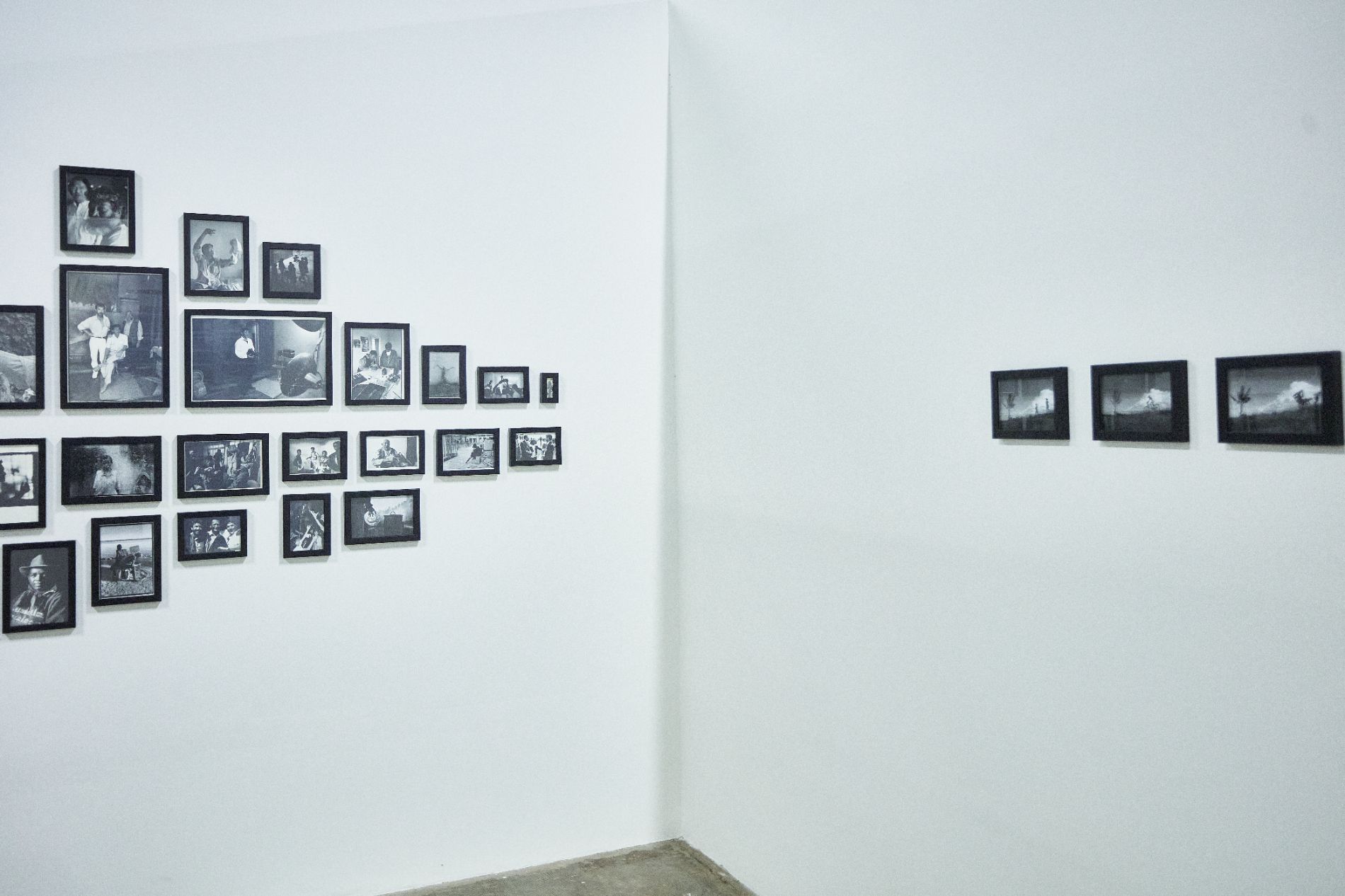
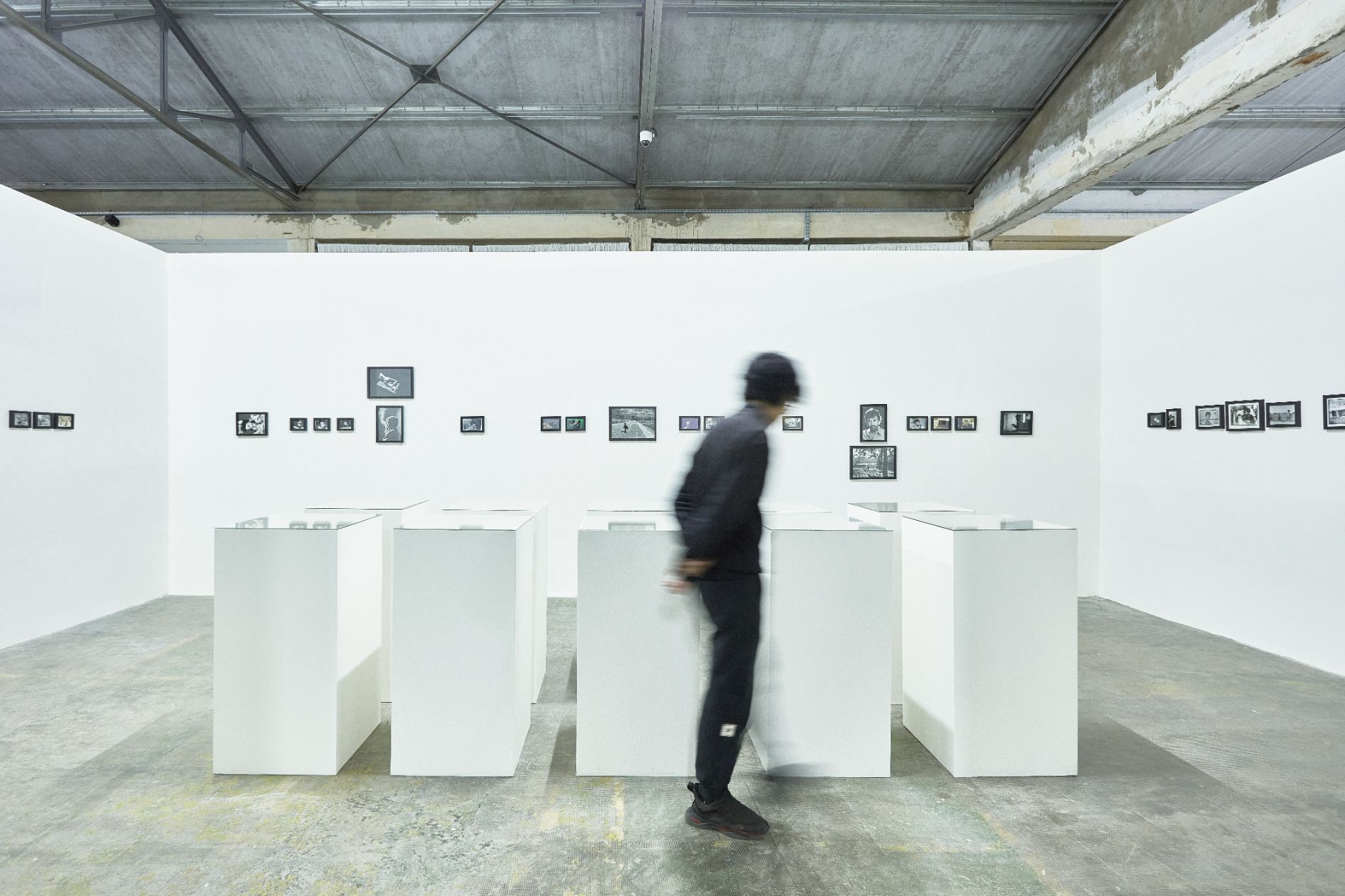
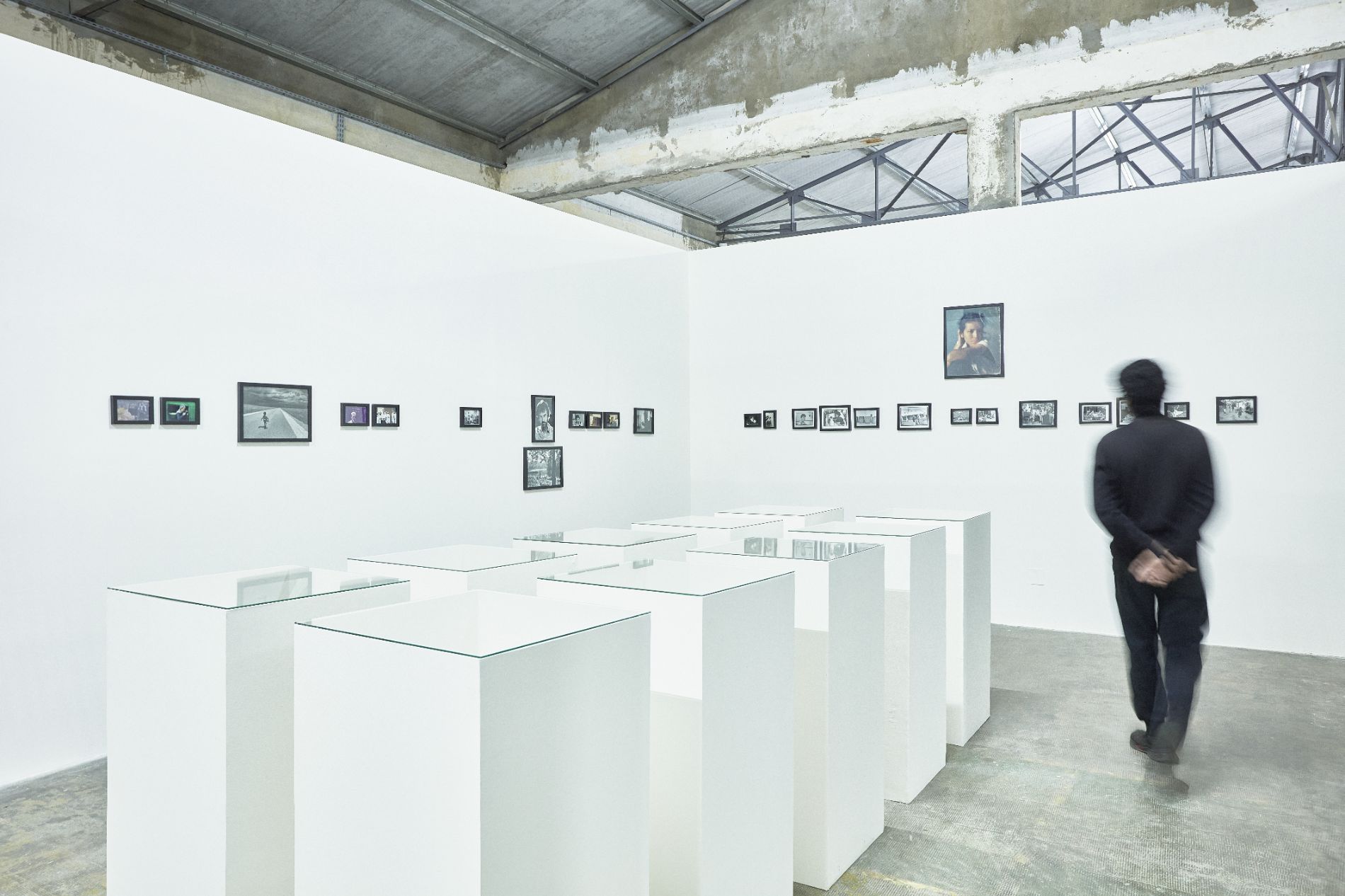
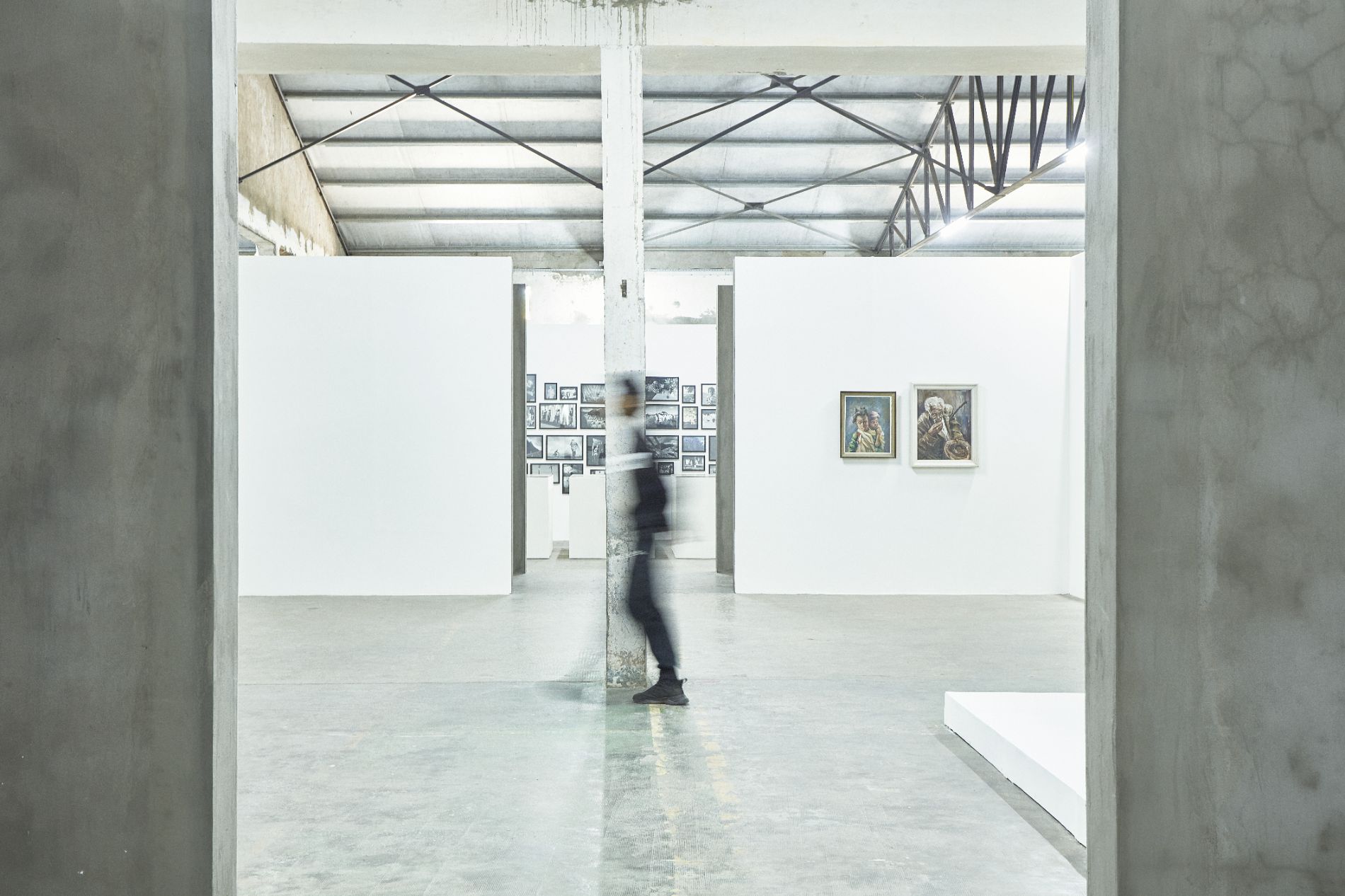
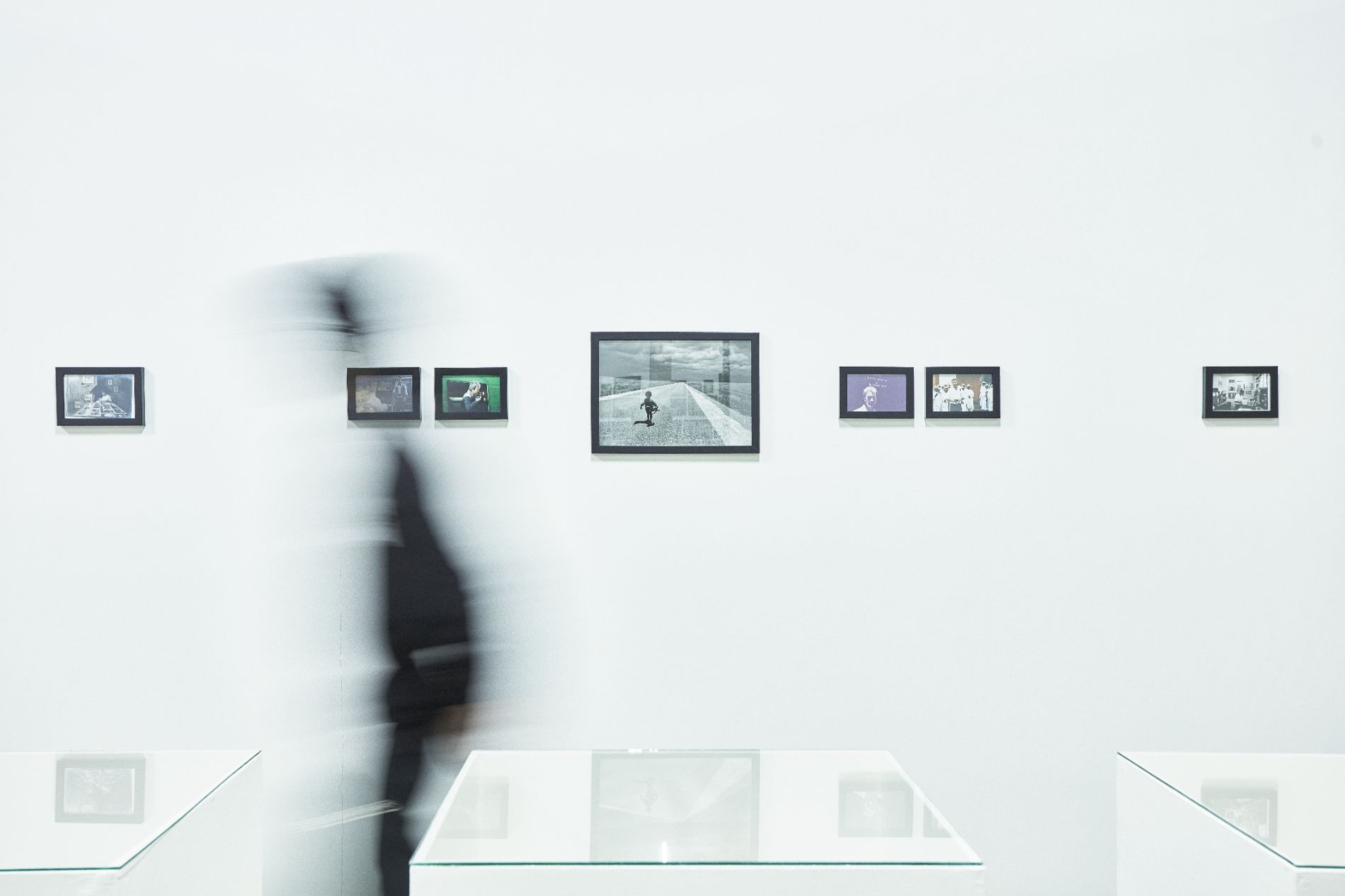
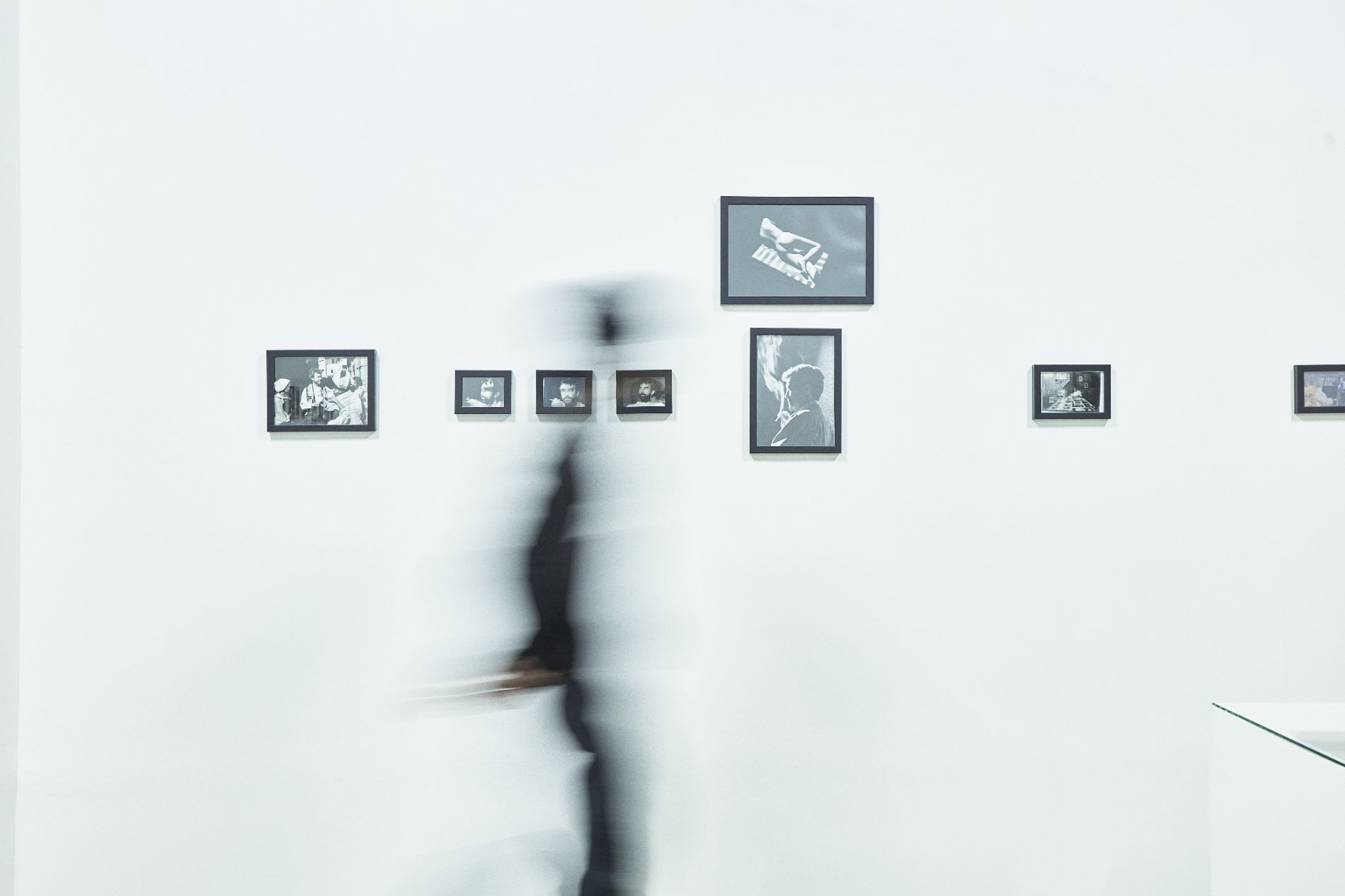
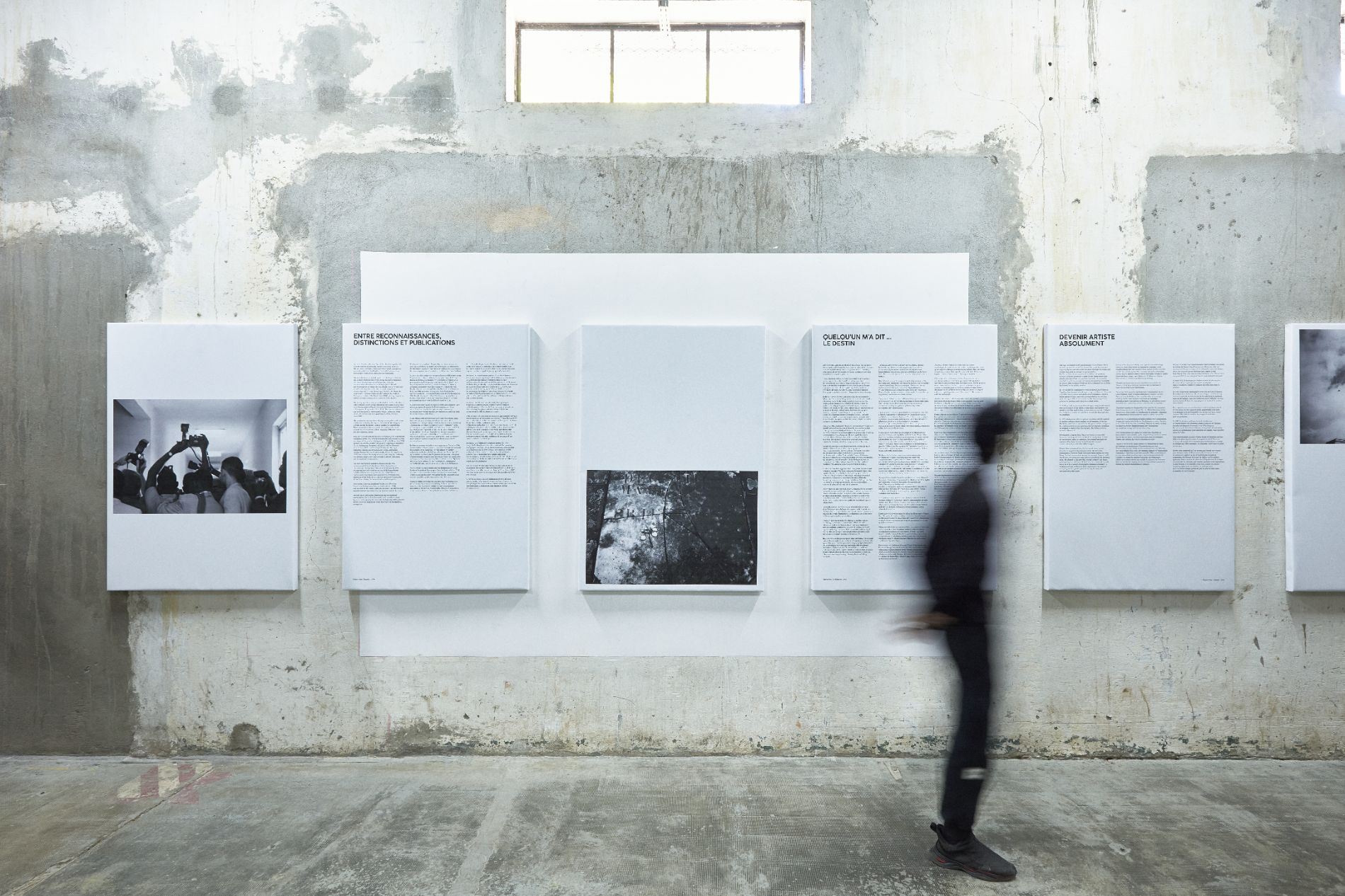
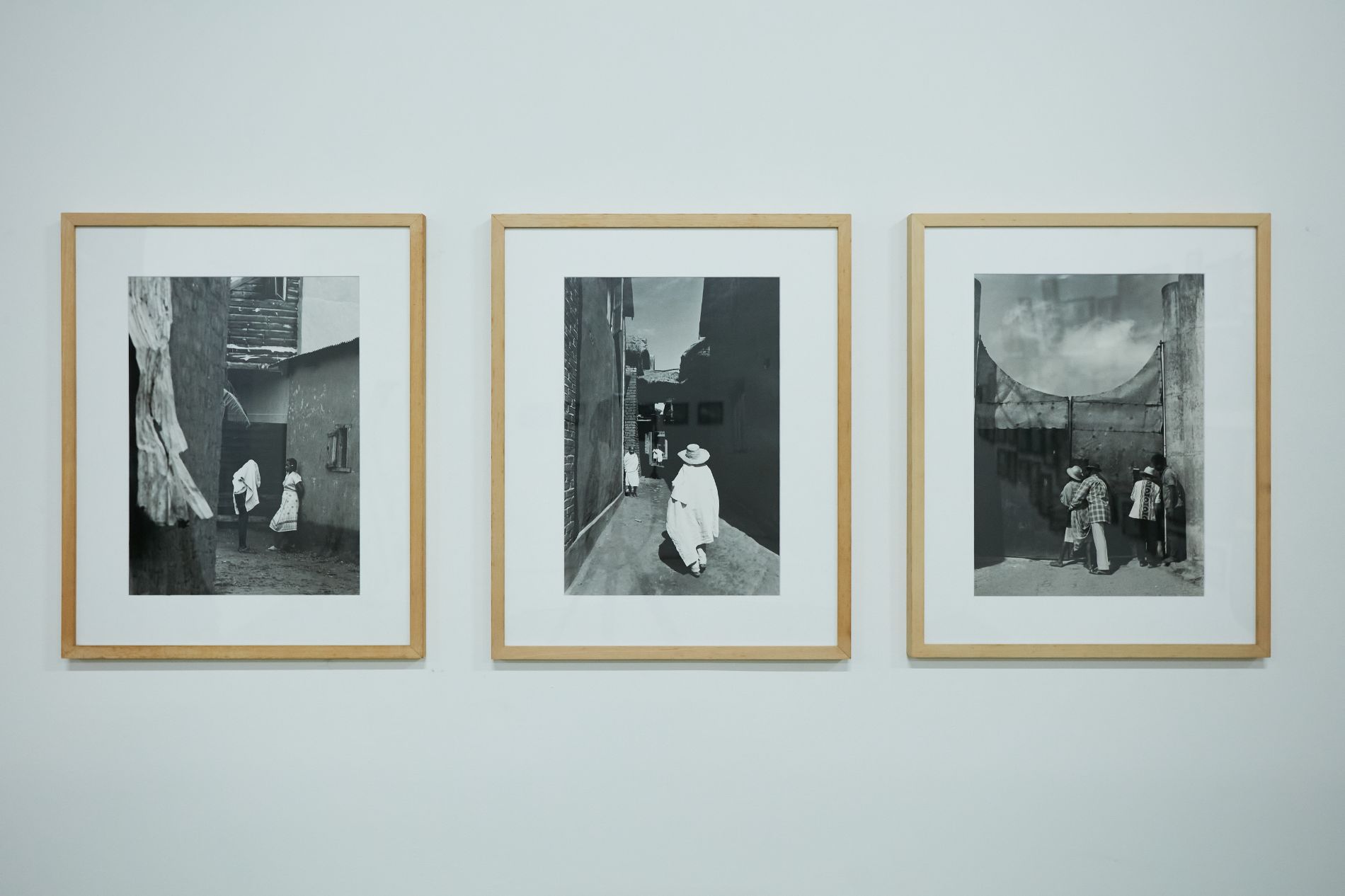
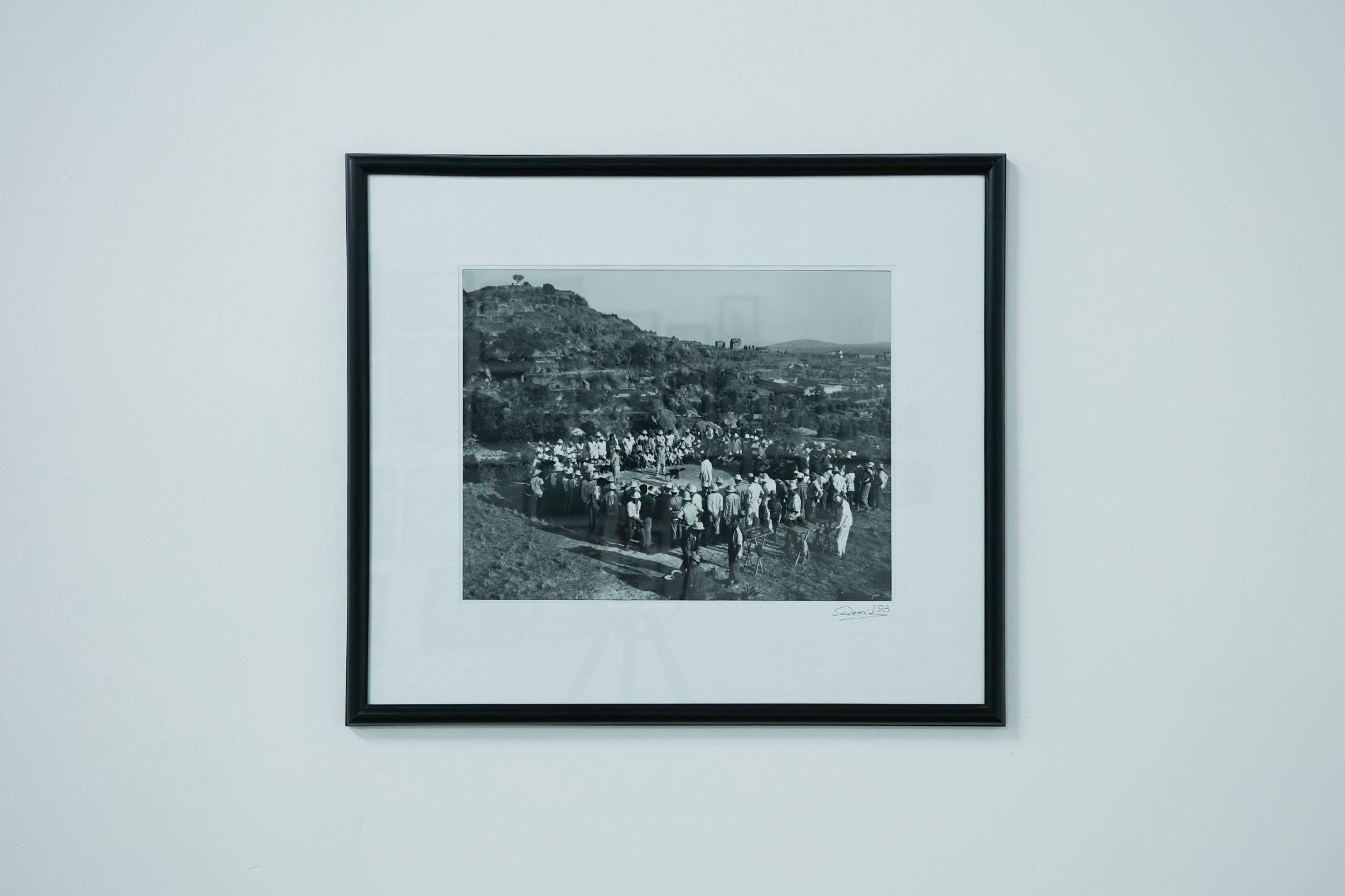
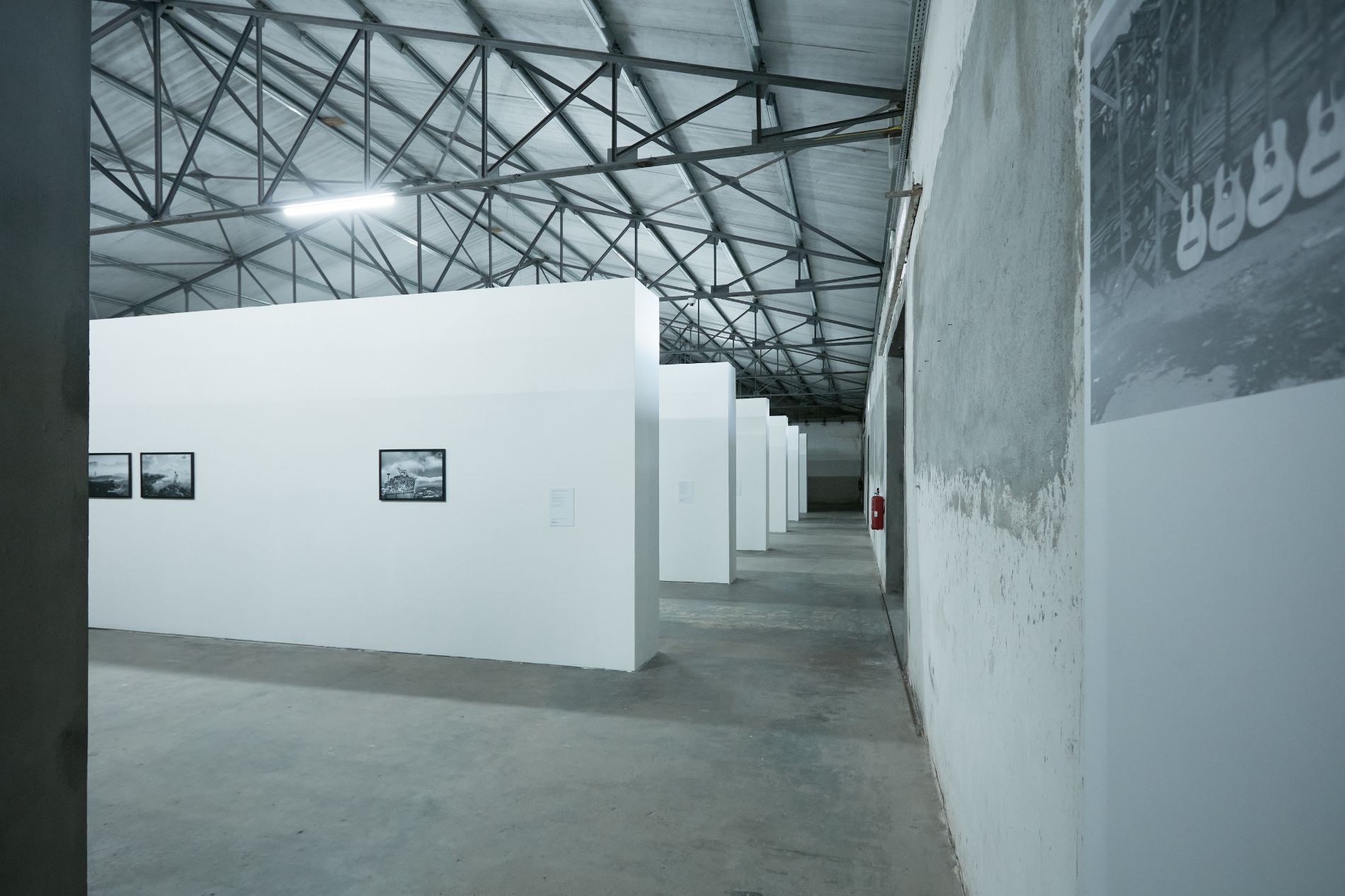
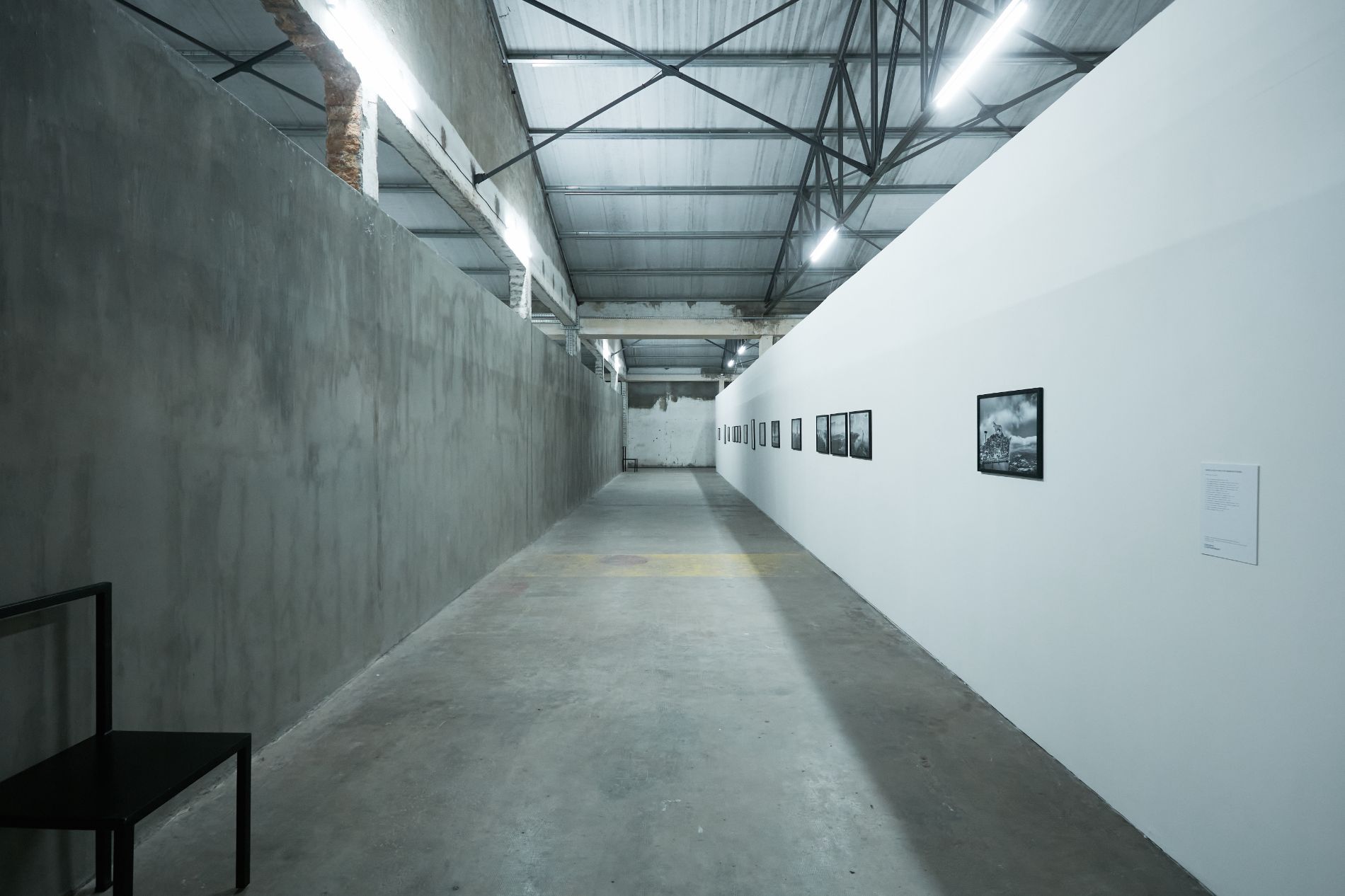
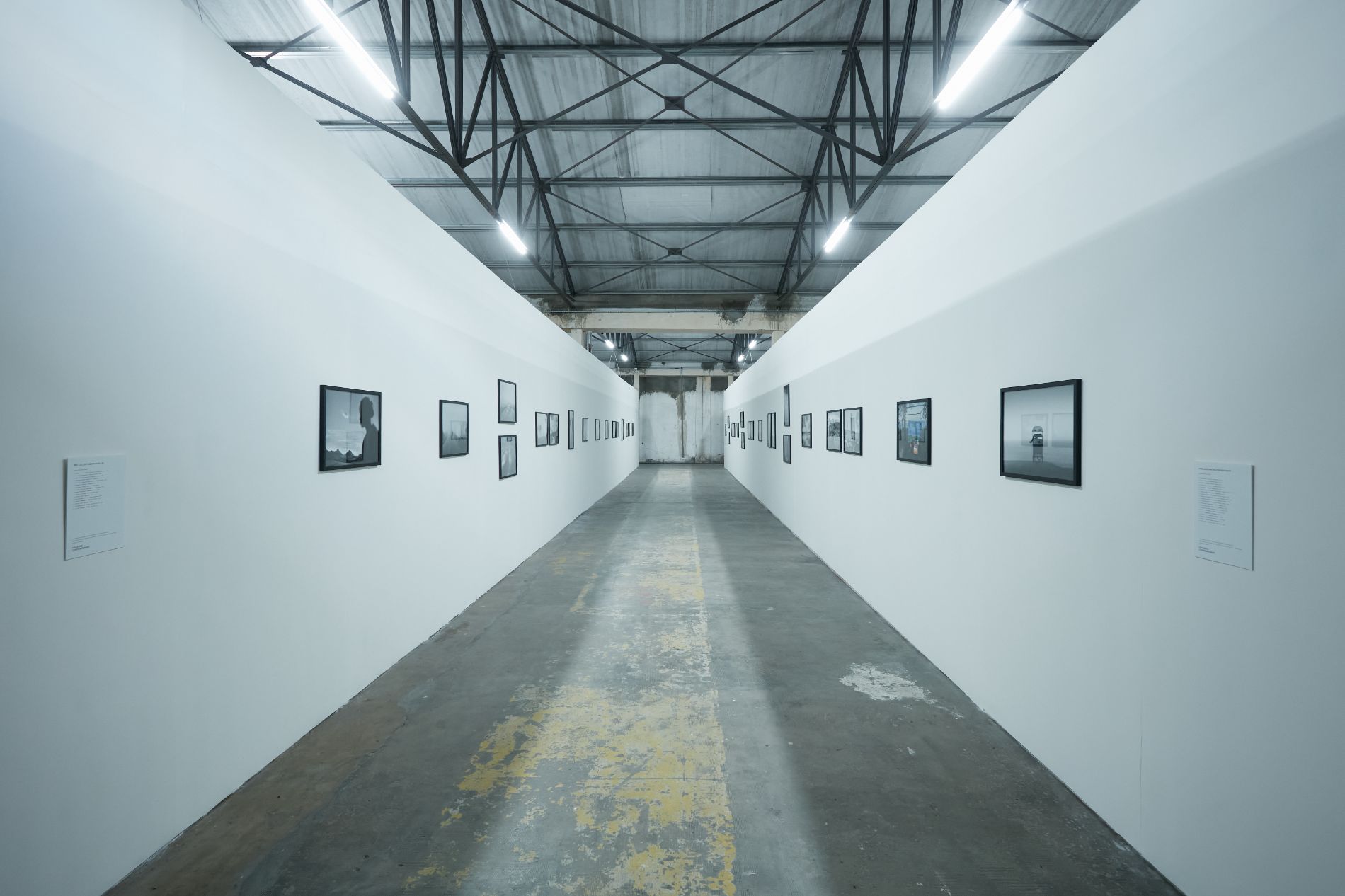
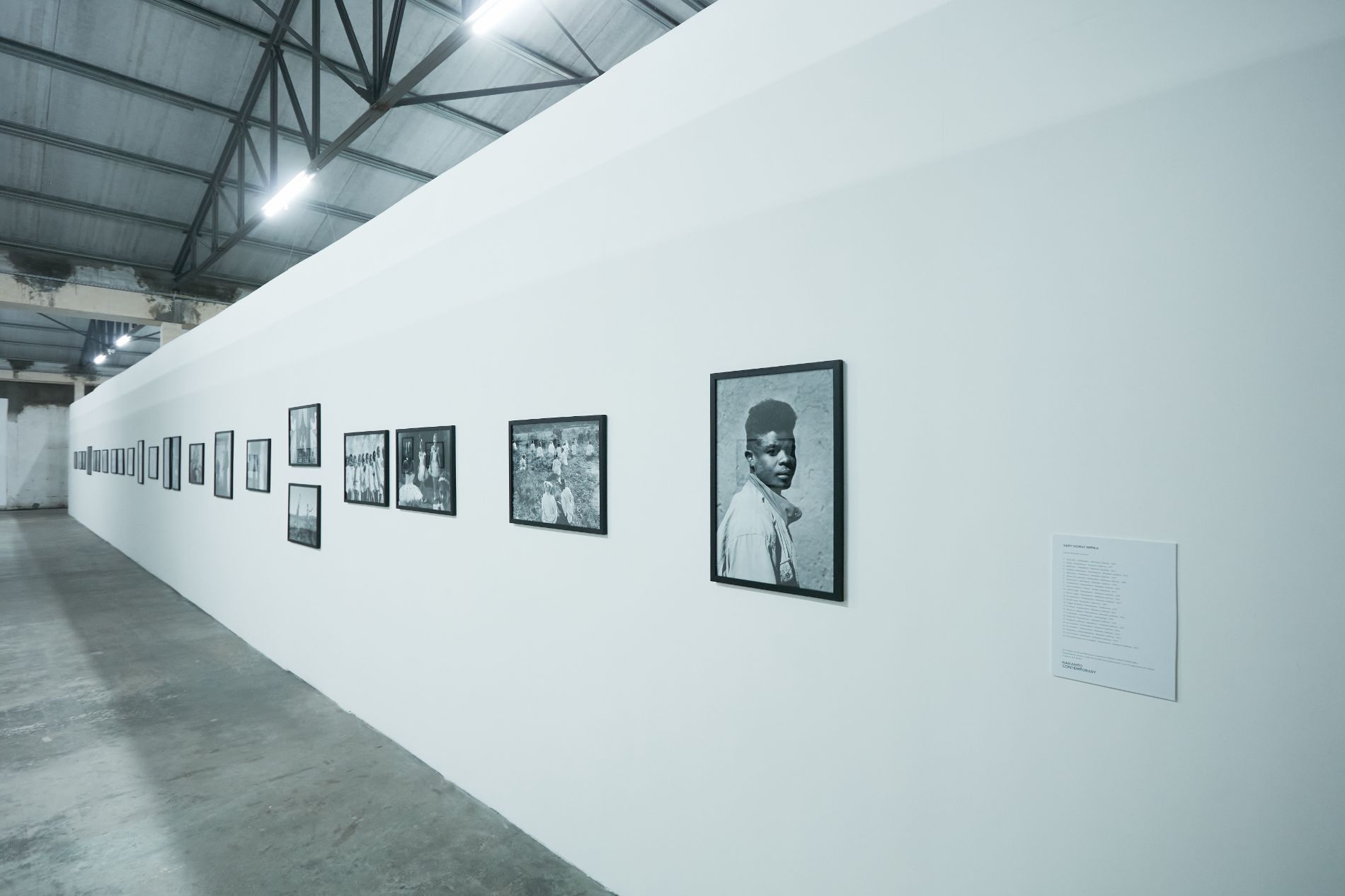
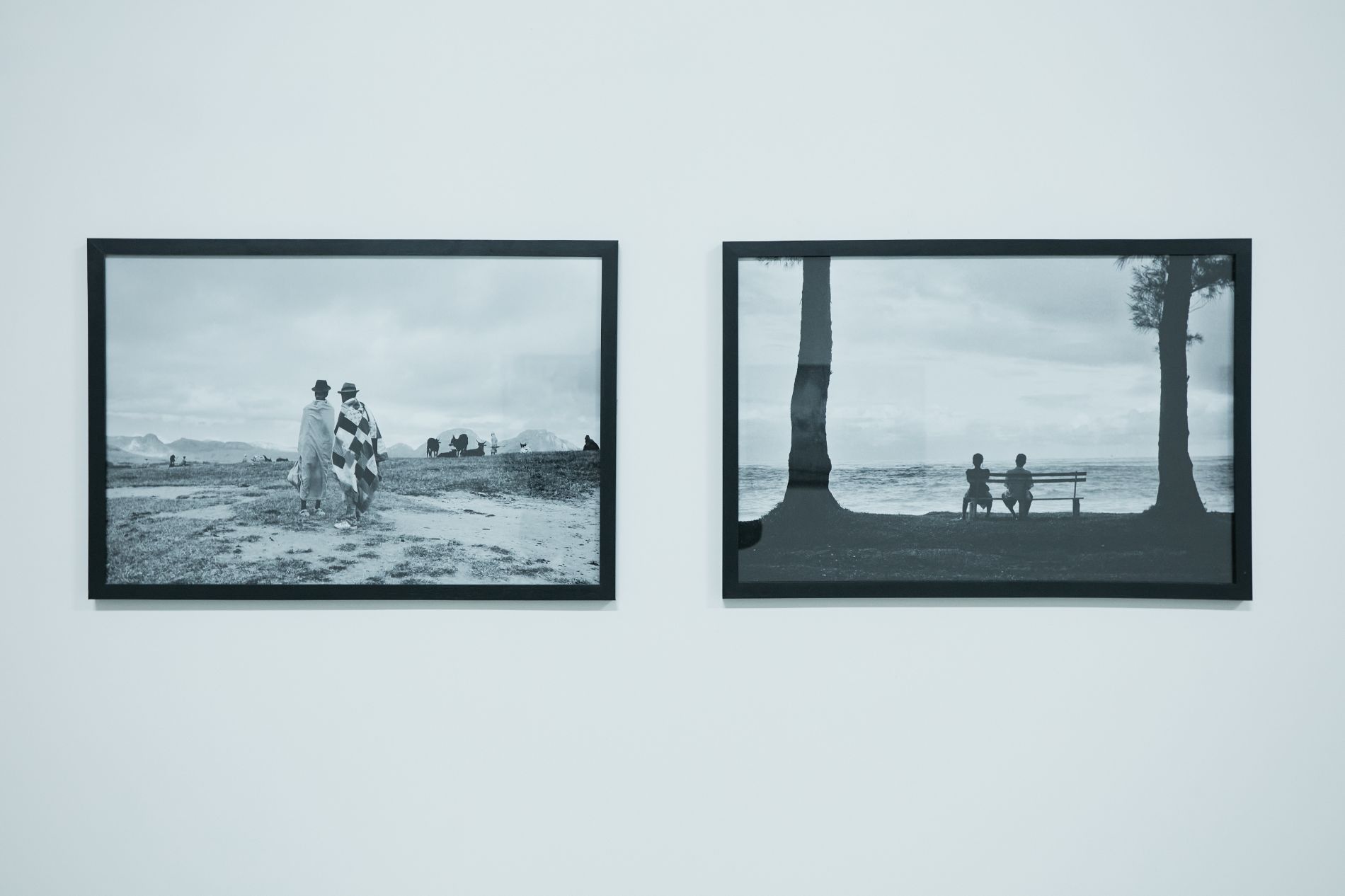
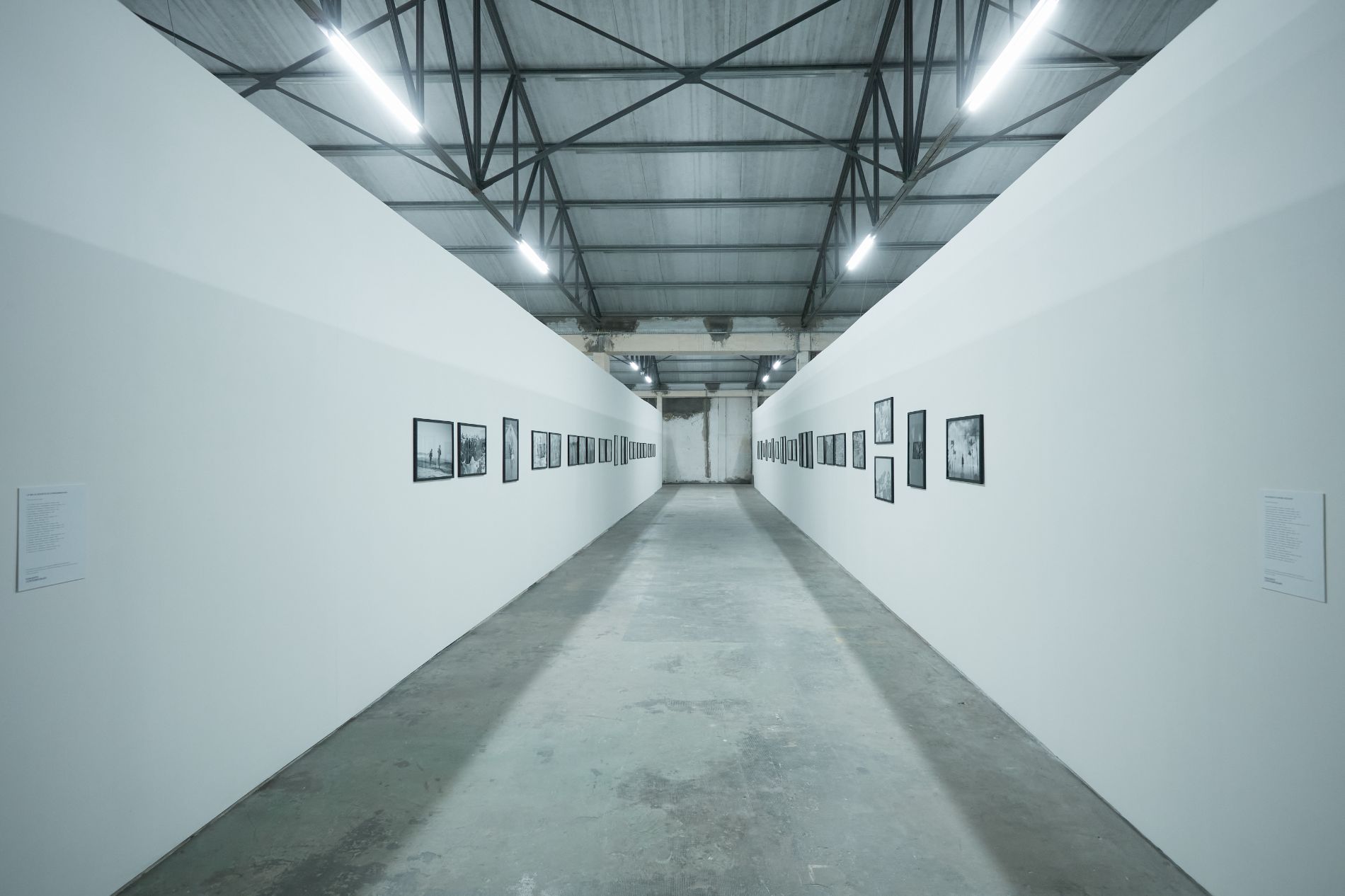
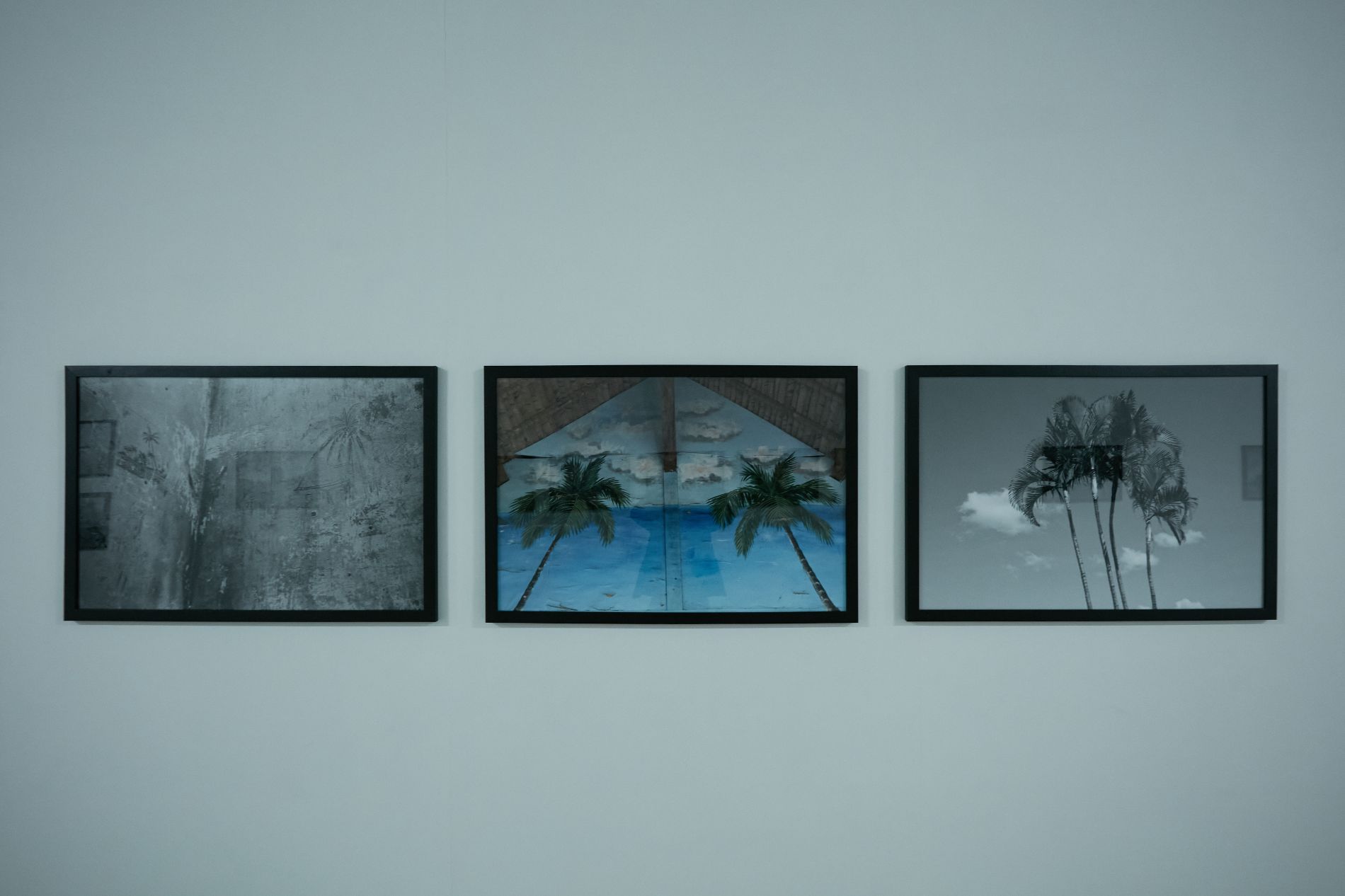
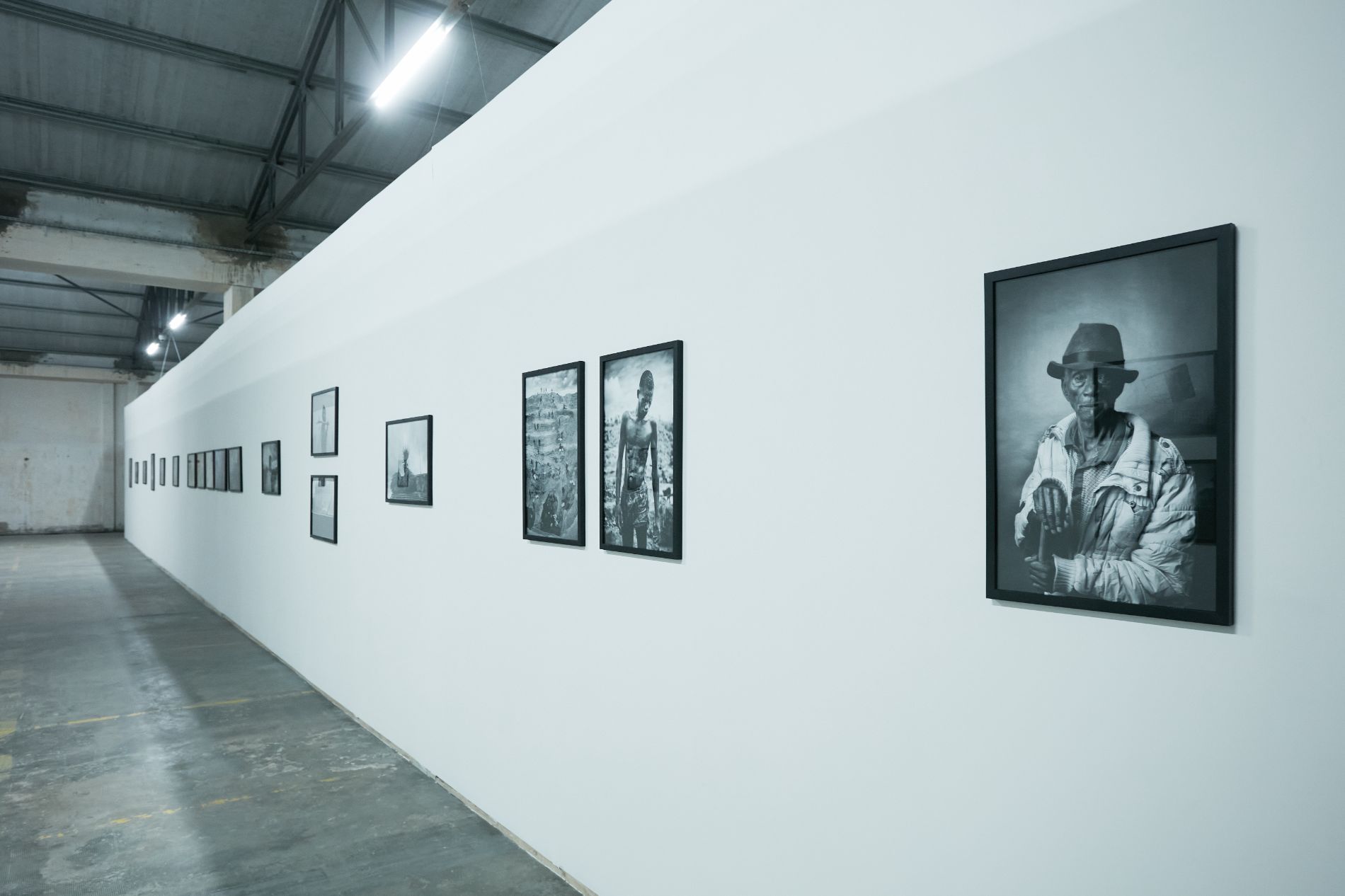
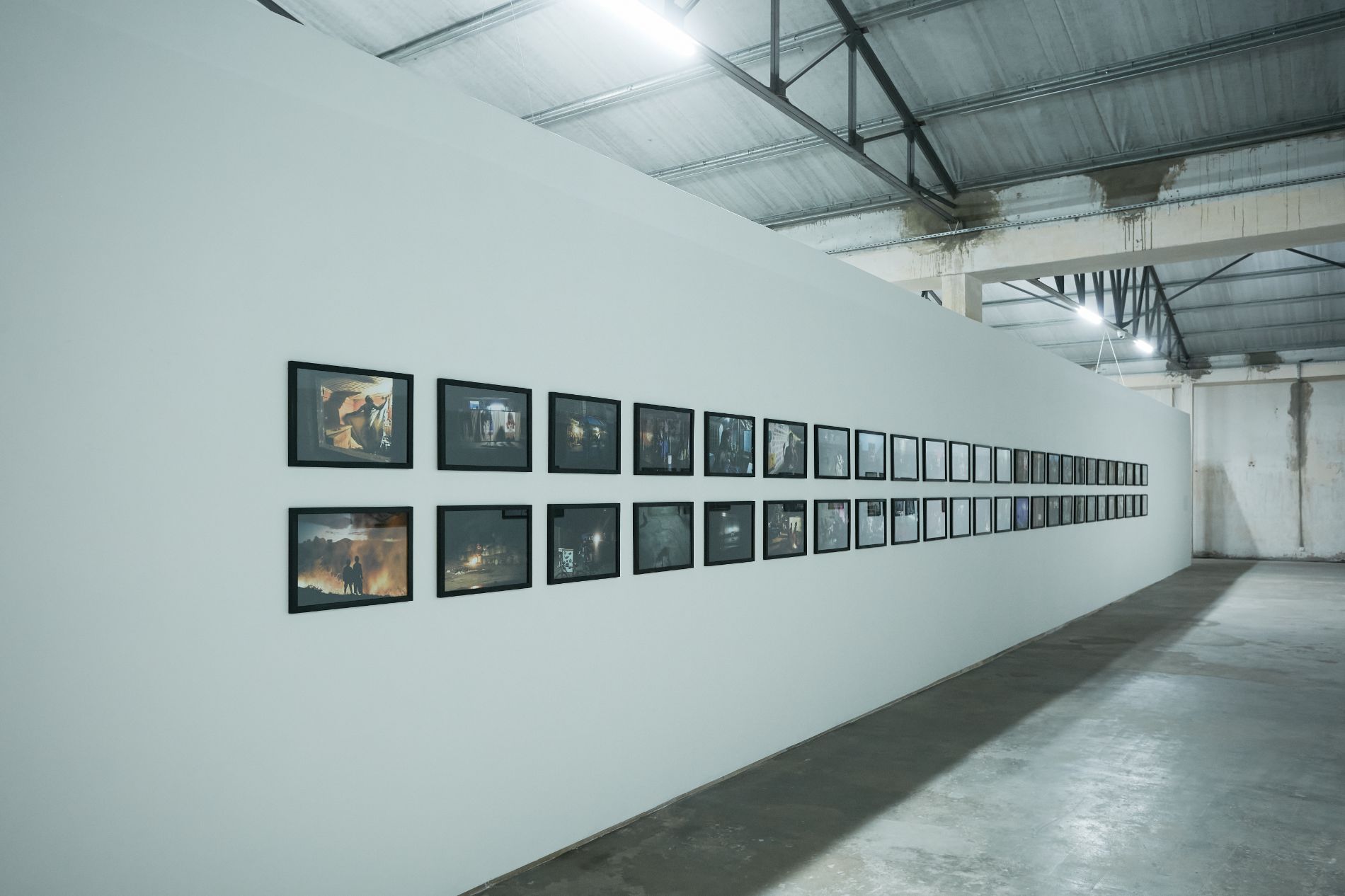
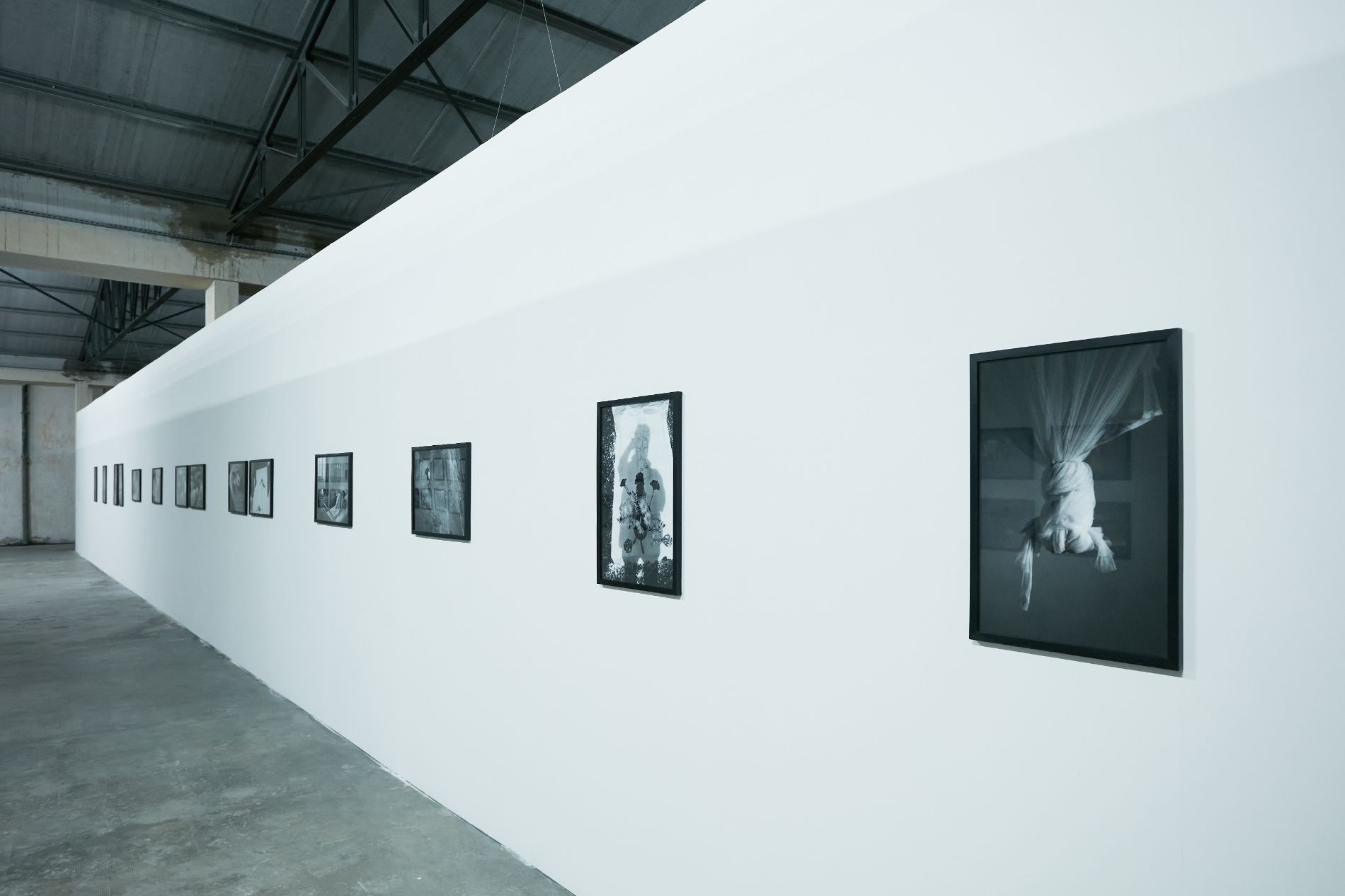
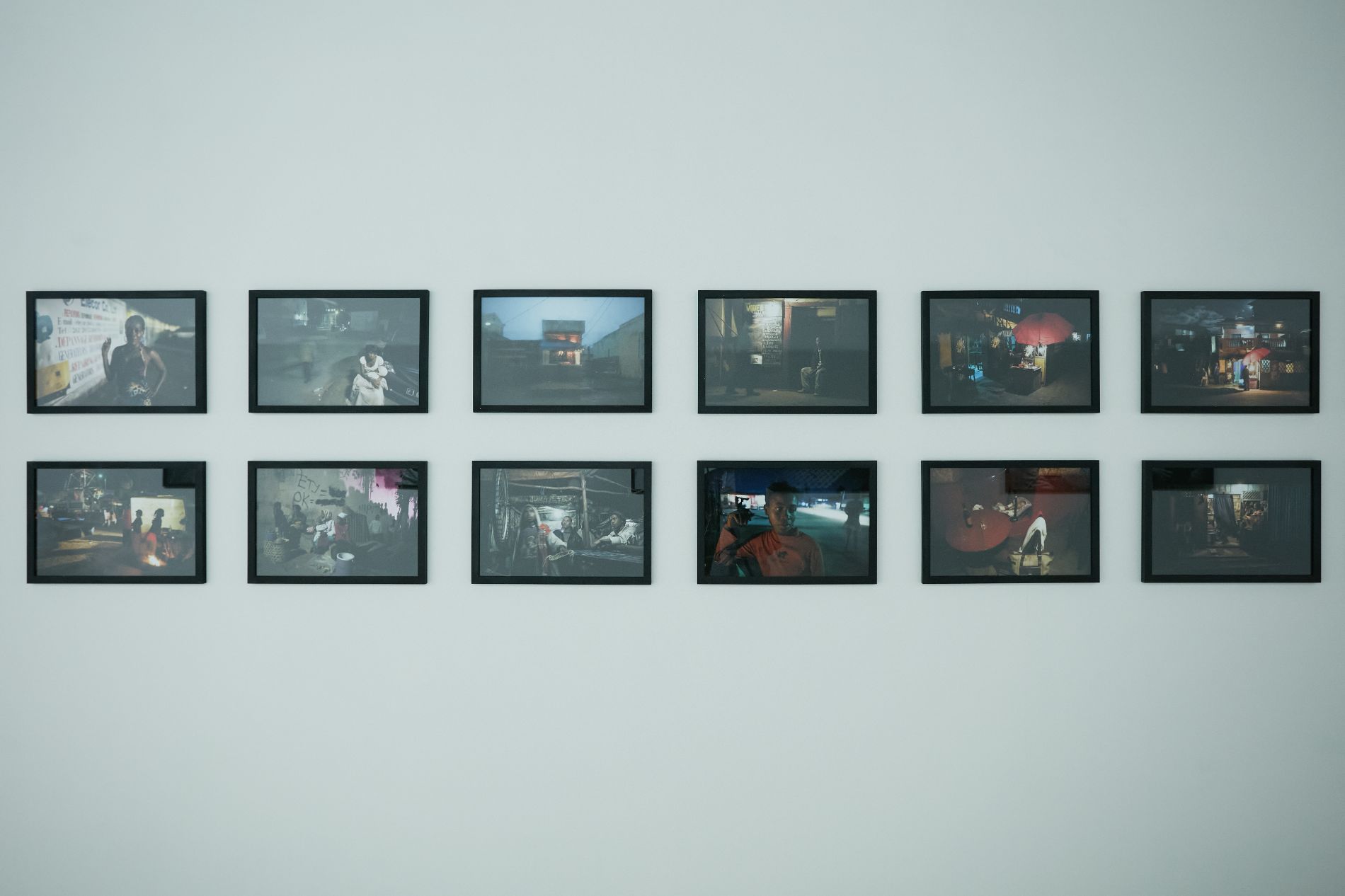
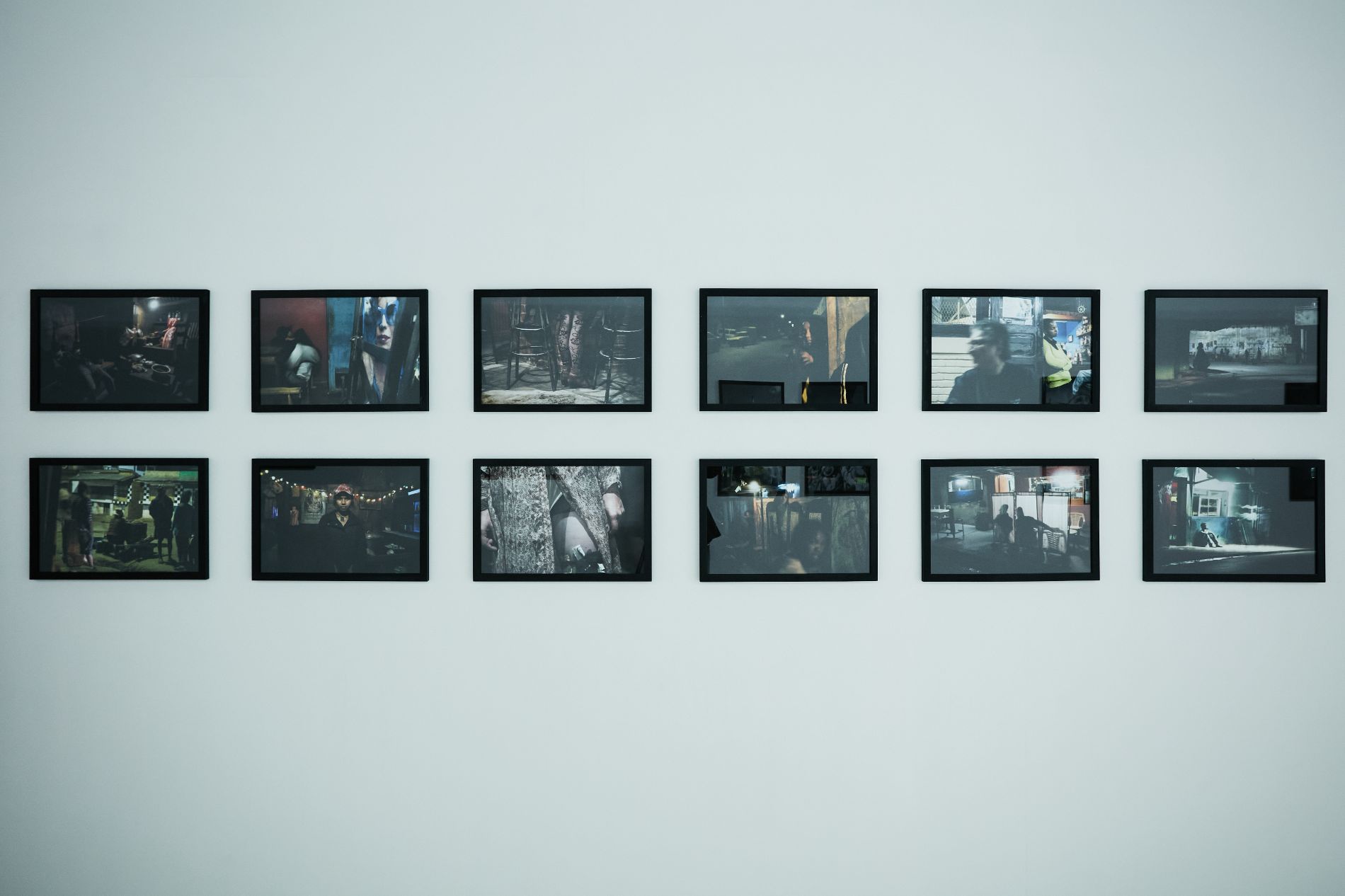
The present time of Pierrot Men reveals itself through a selection of nearly three hundred photographs — iconic images, rarely exhibited works, previously unseen archives, forgotten images — which together compose the depth and density of his gaze.
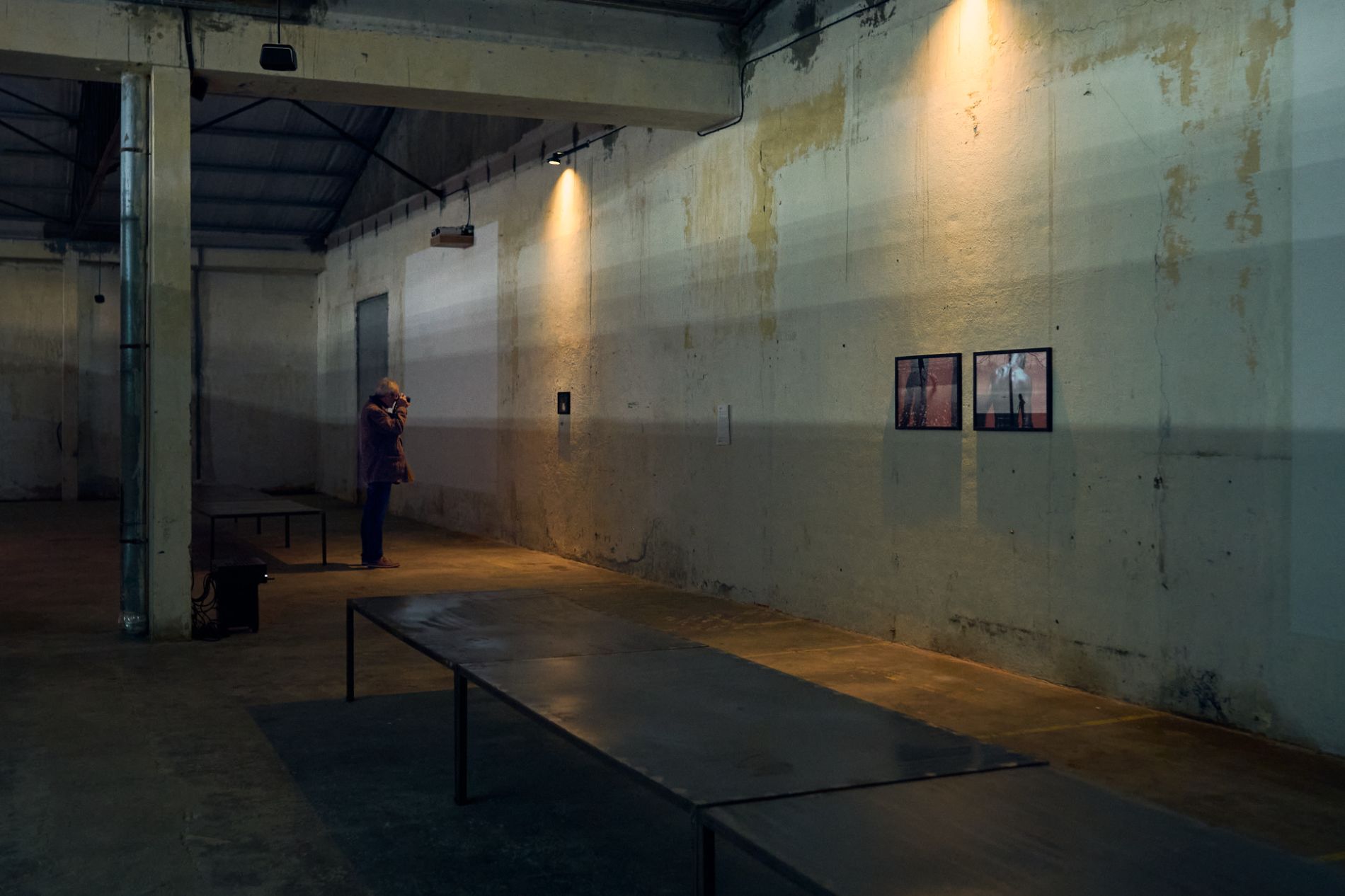
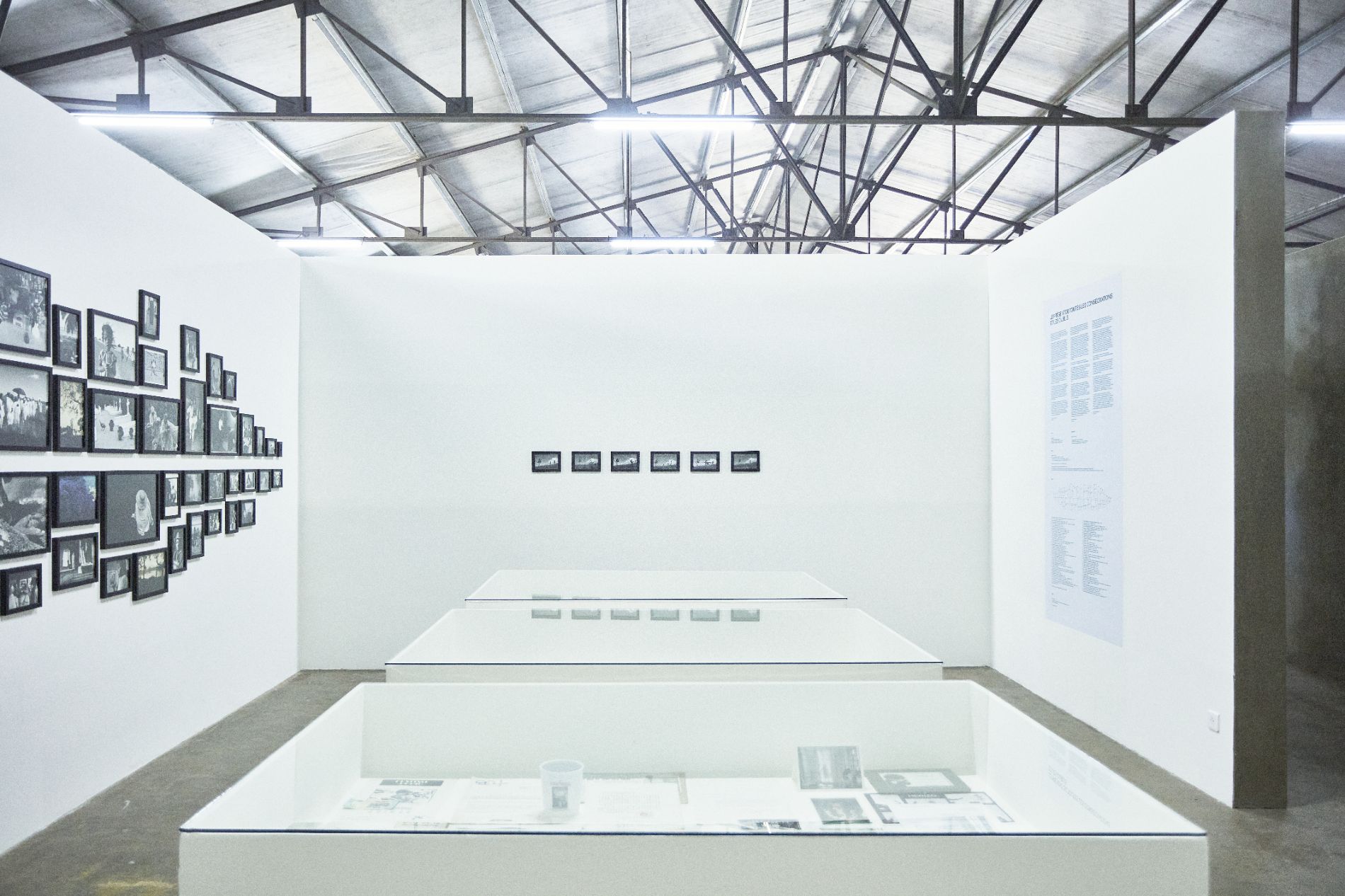
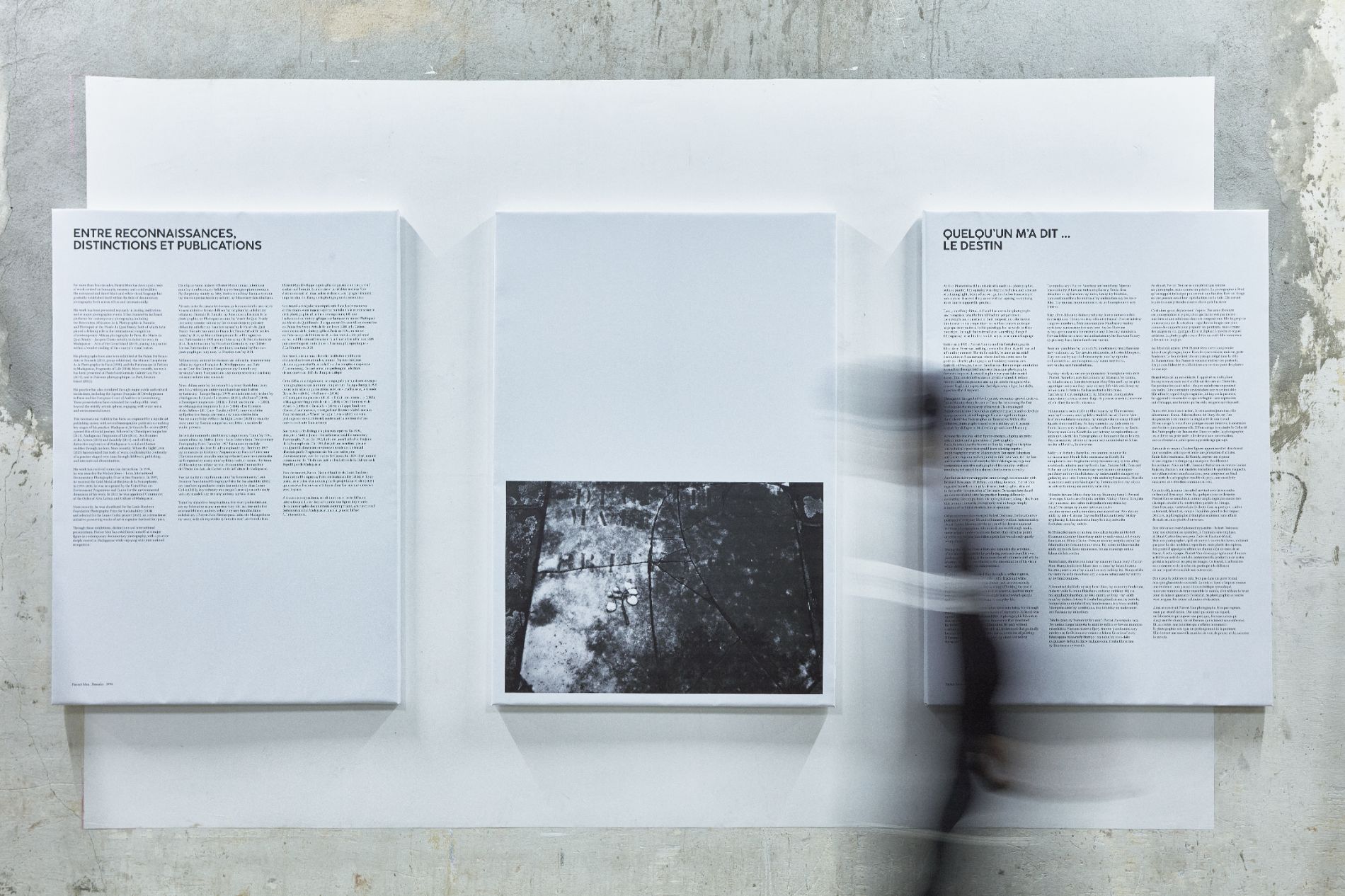
Before this present, which remains in constant dialogue with the past, two cabinets open onto the intimate, revealing the artist amongst his family, his companions, his triumphs and his wounds. They also reveal the questions that accompanied a lifetime’s journey and the gradual construction of a body of work that has now become an emblematic contemporary heritage.
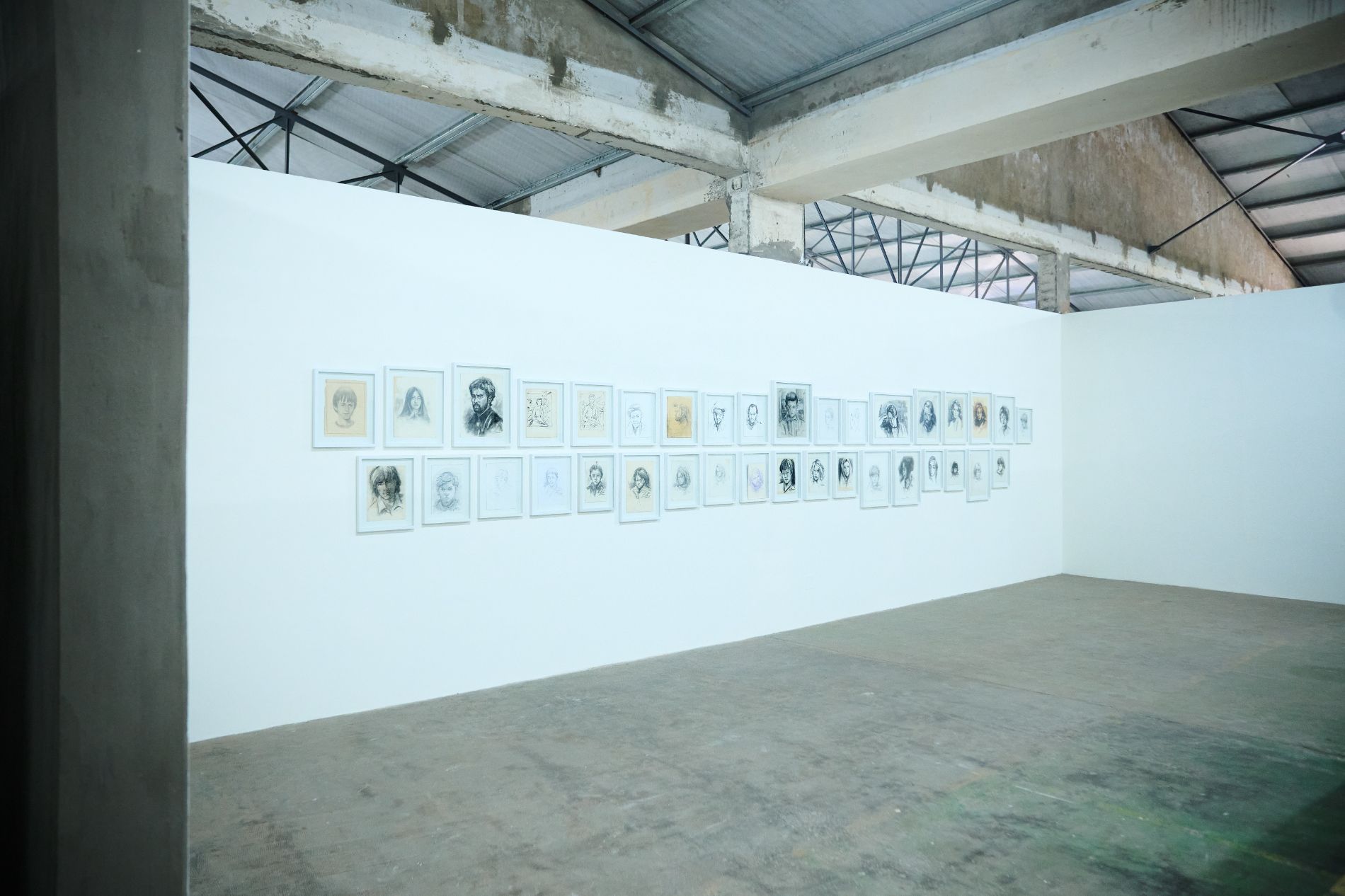
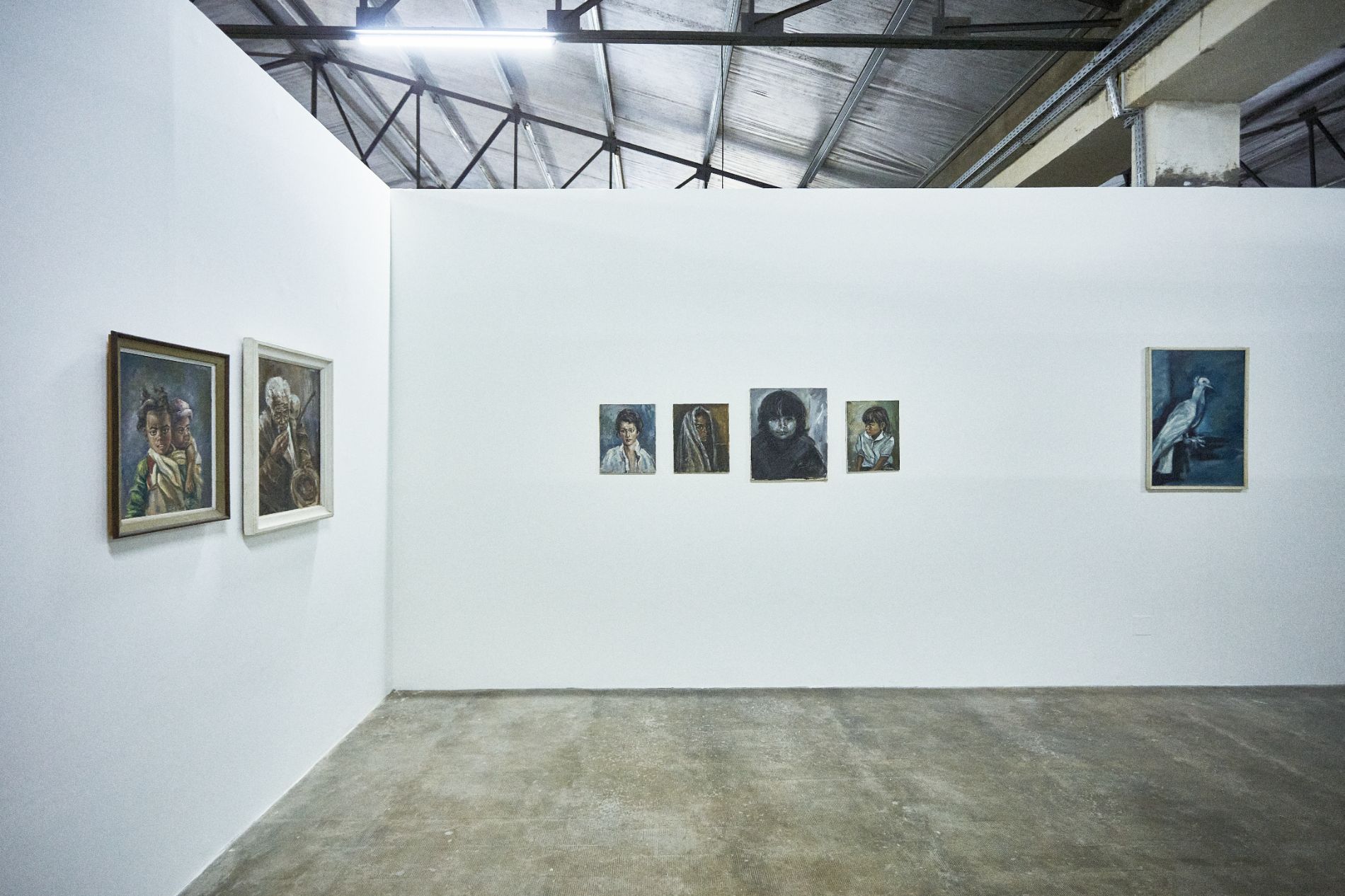
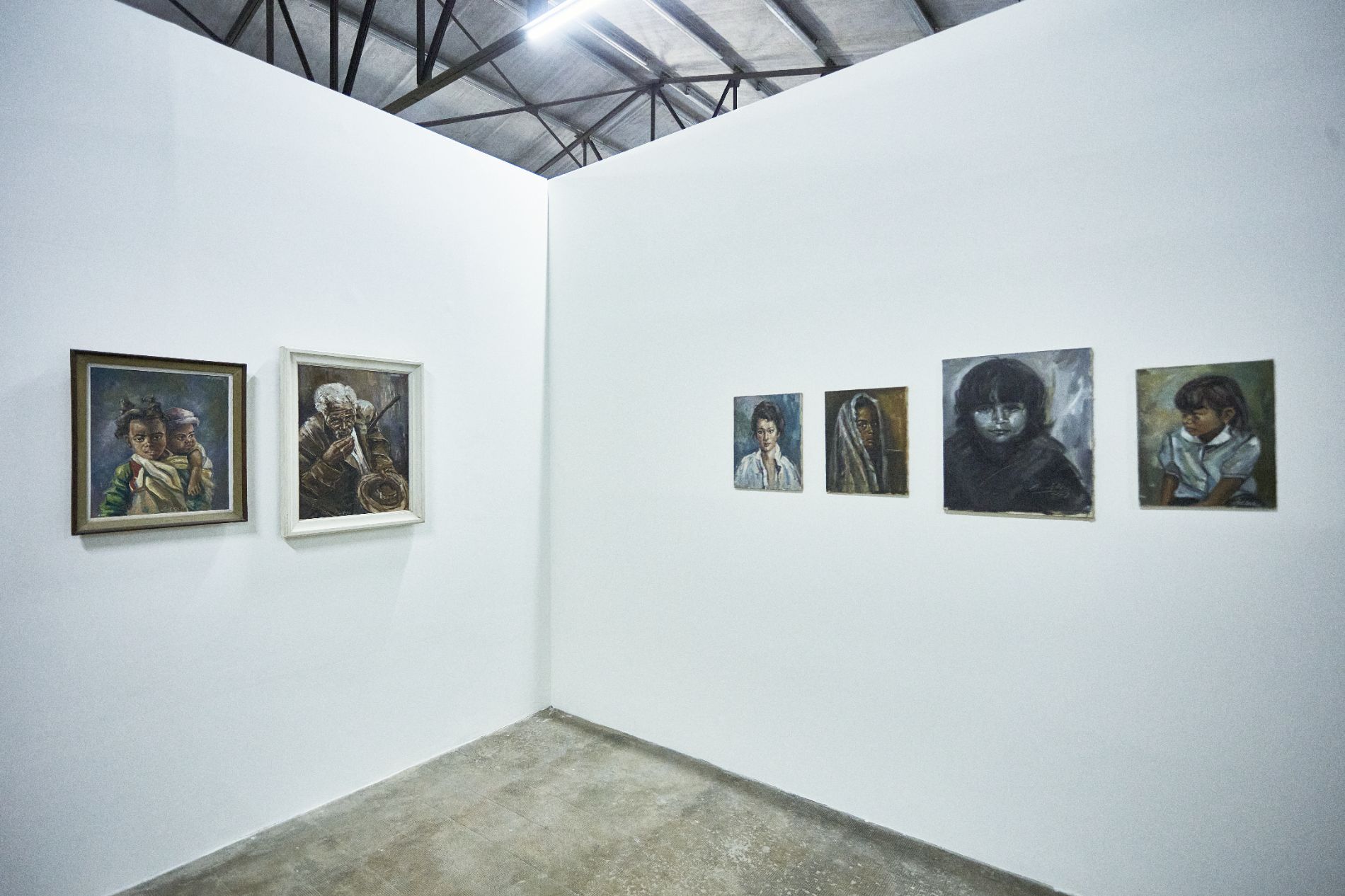
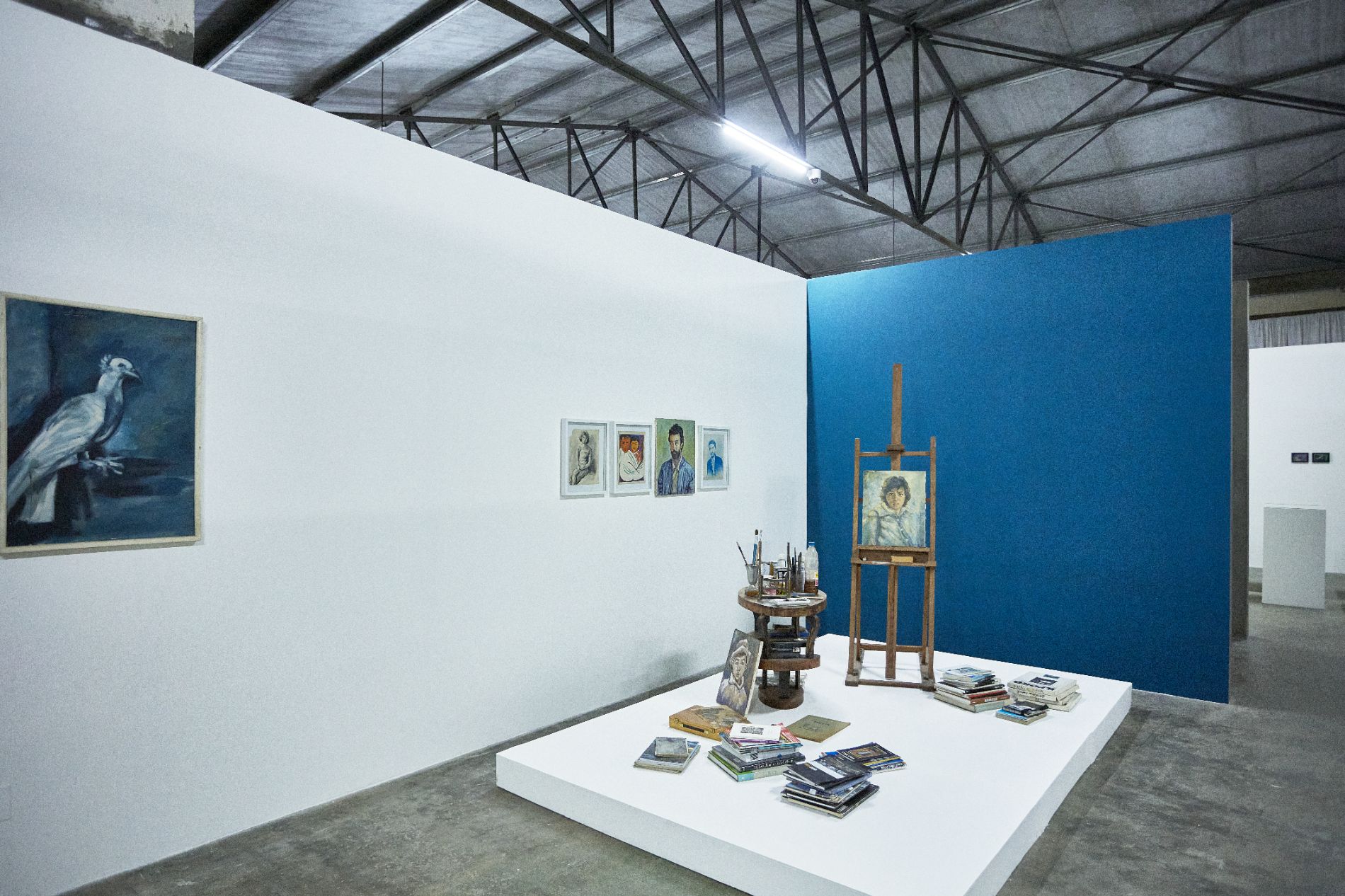
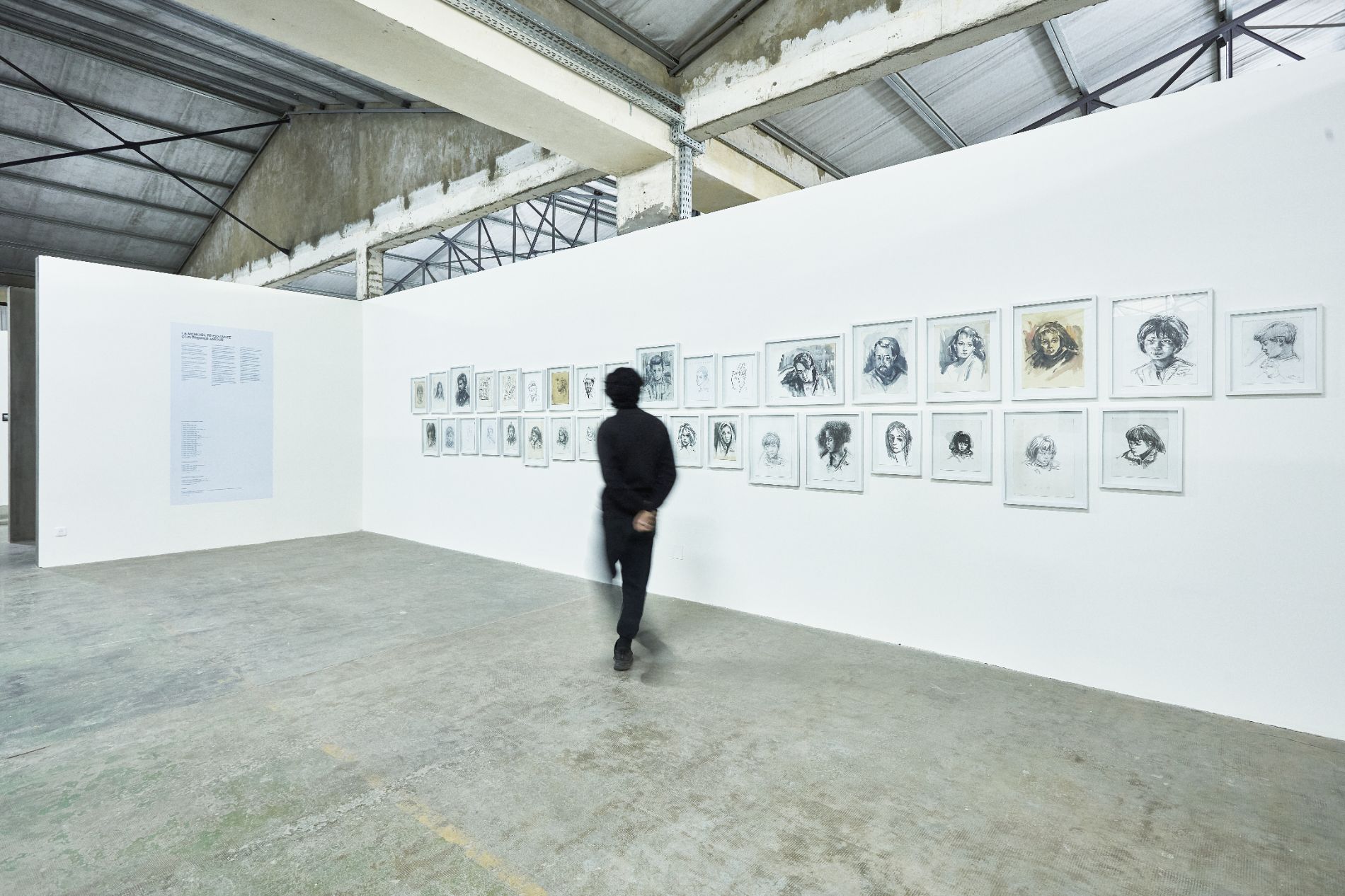
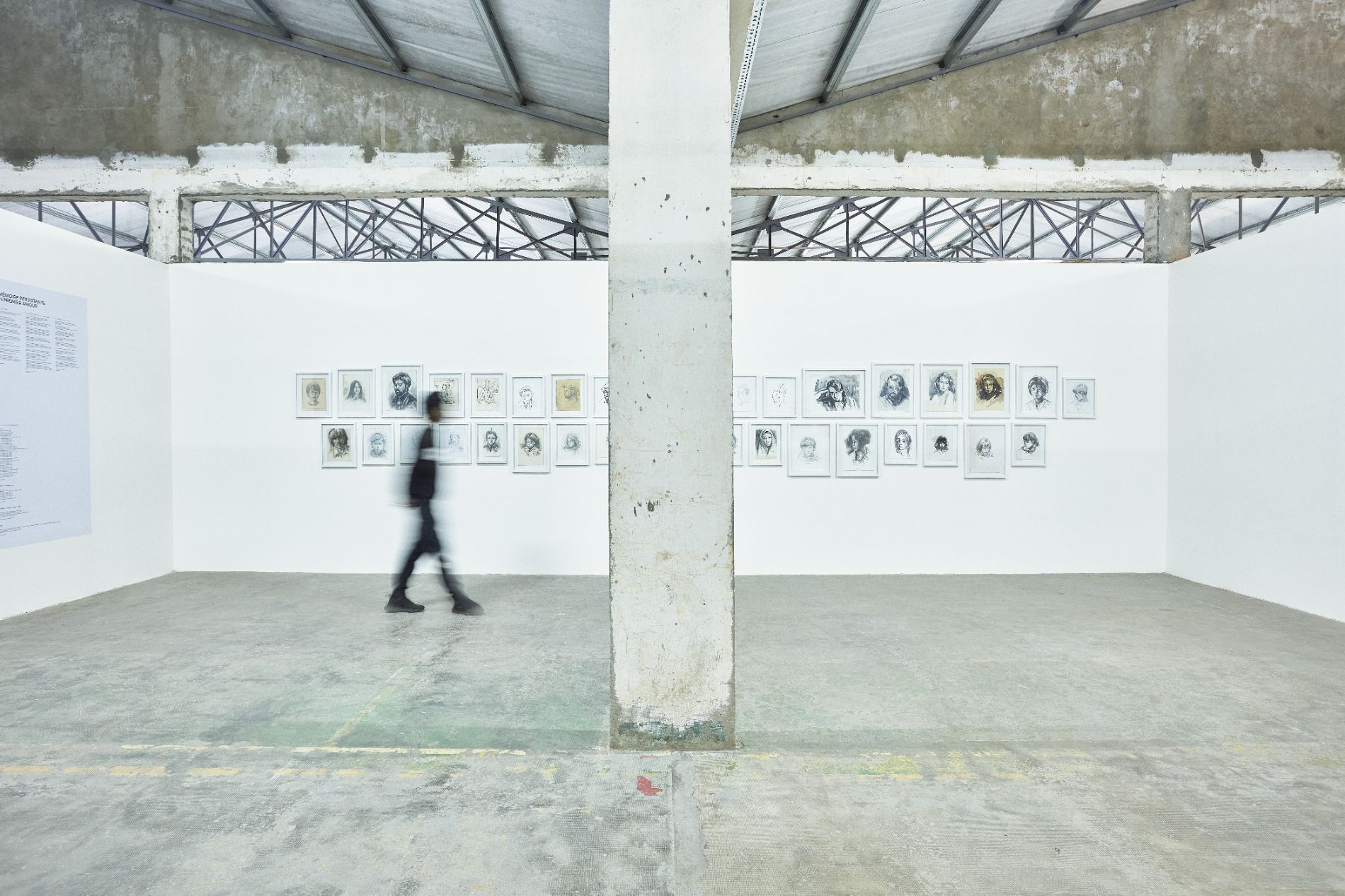
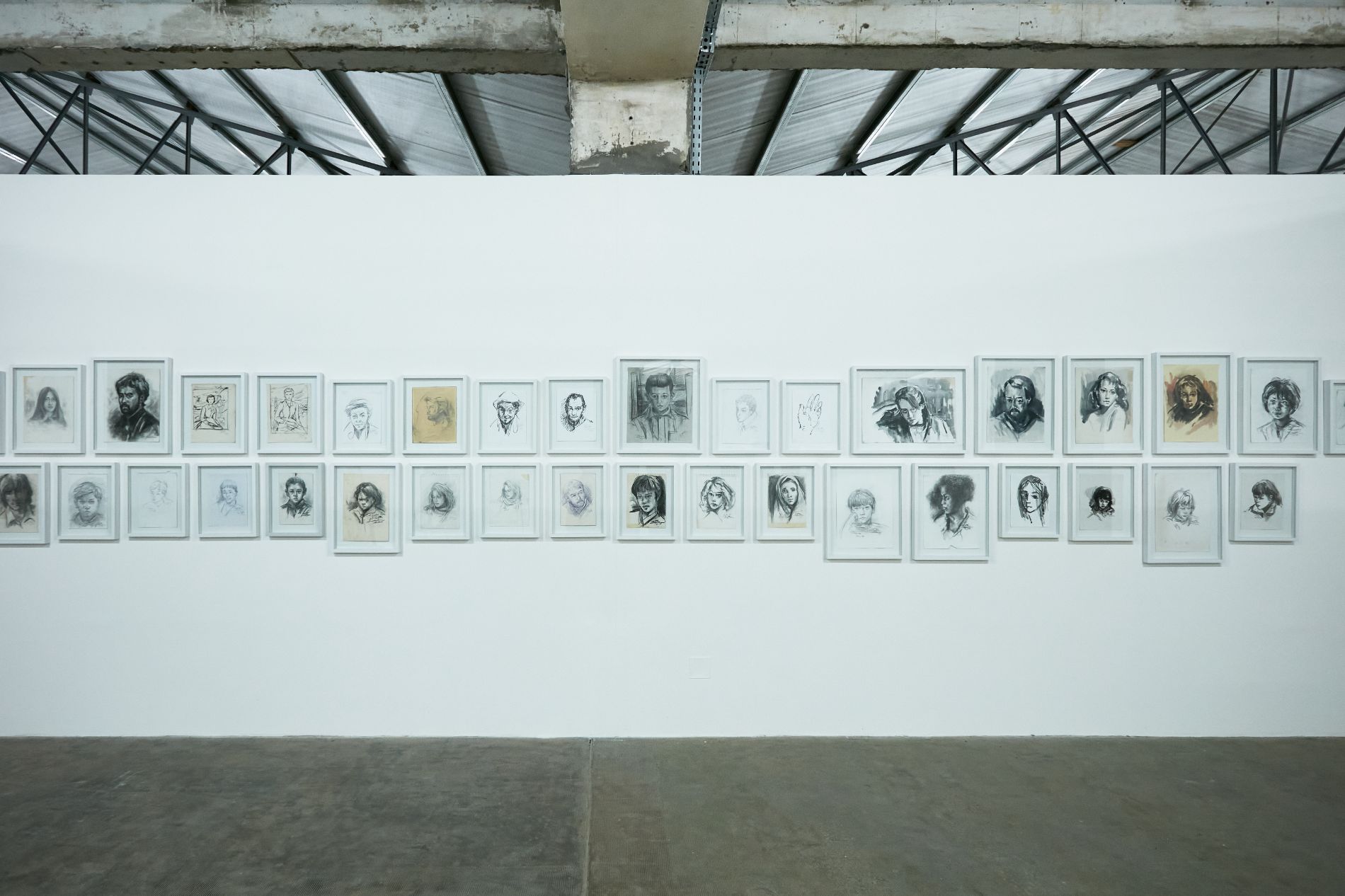
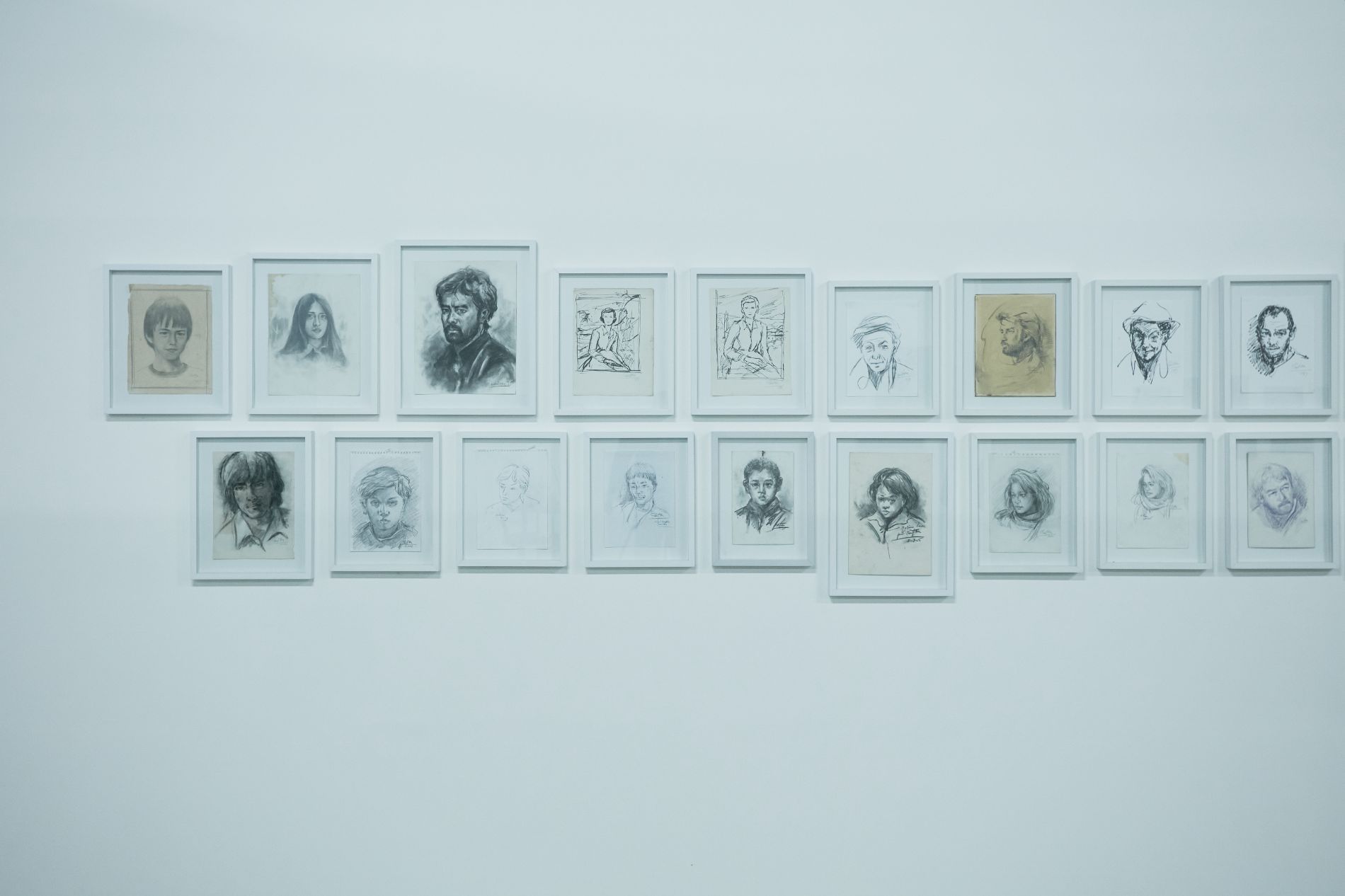
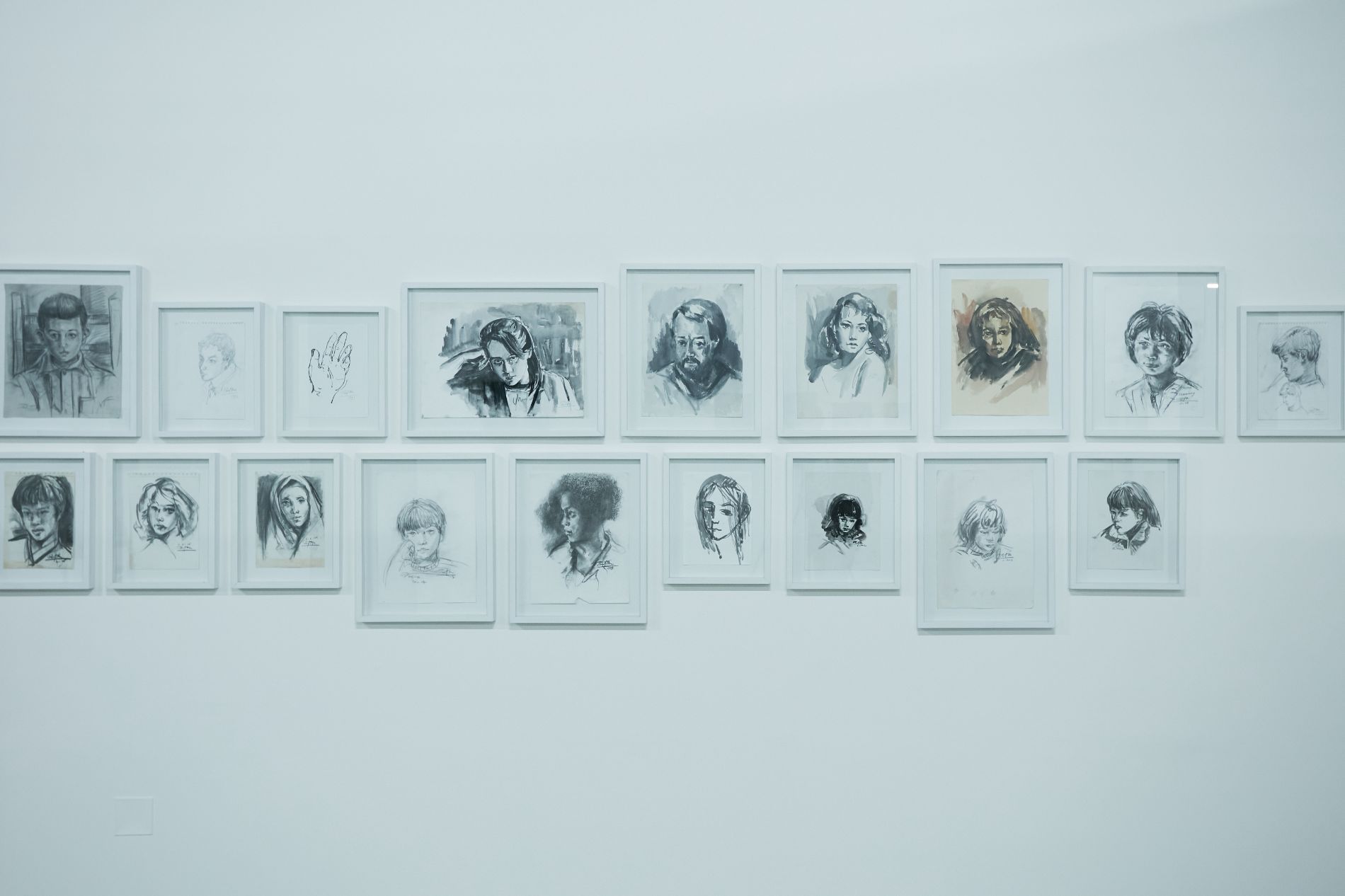
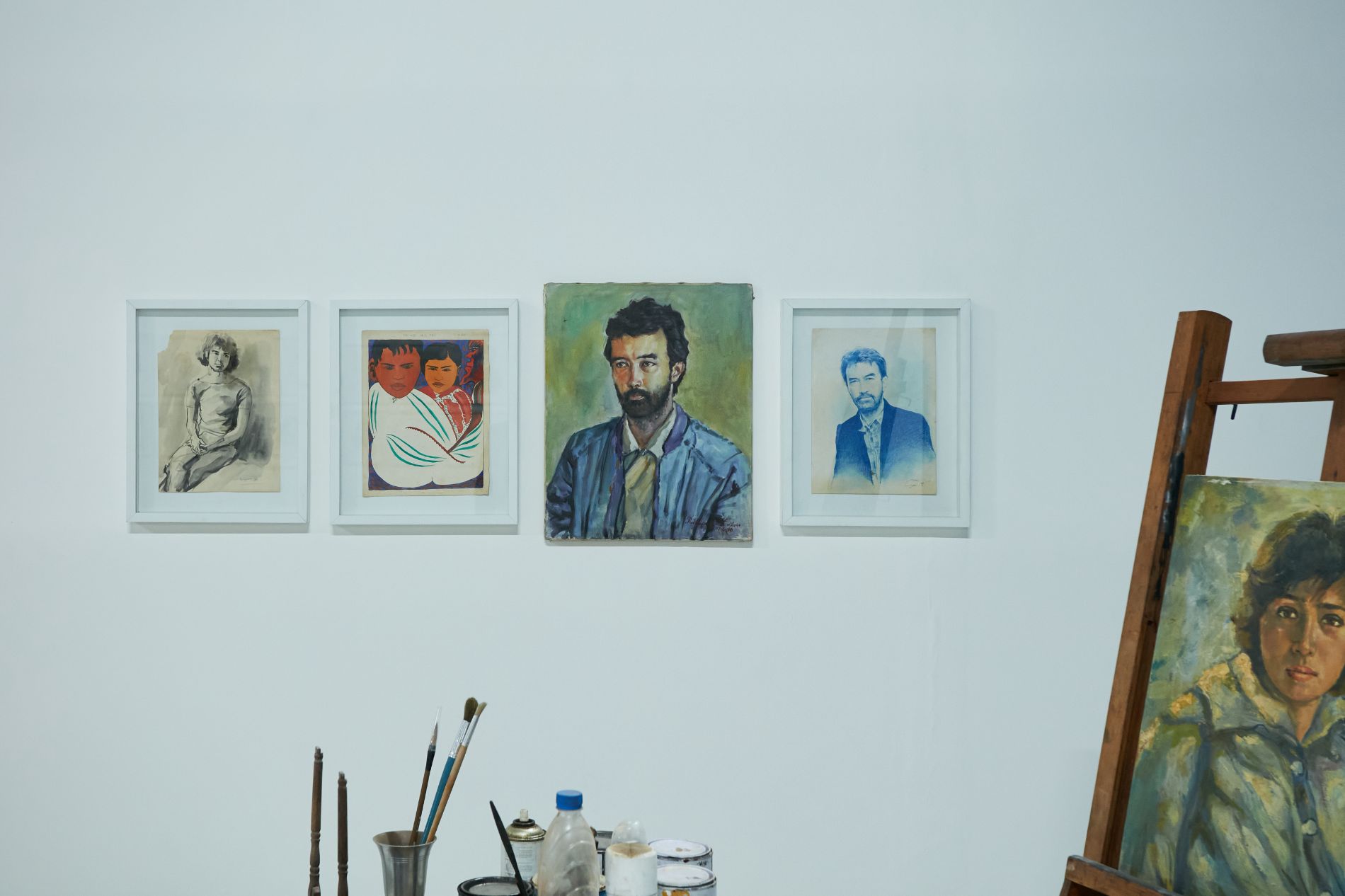
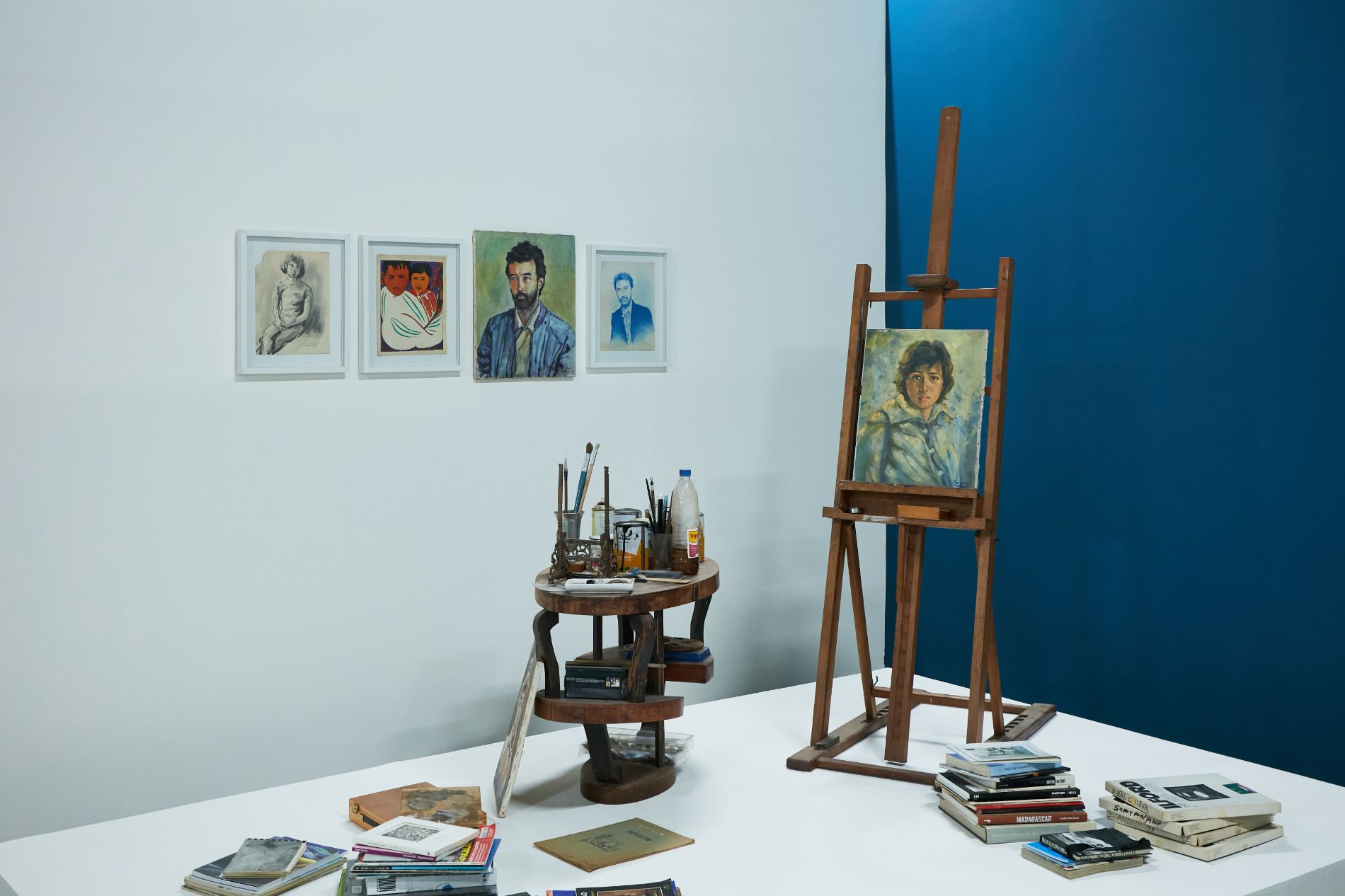
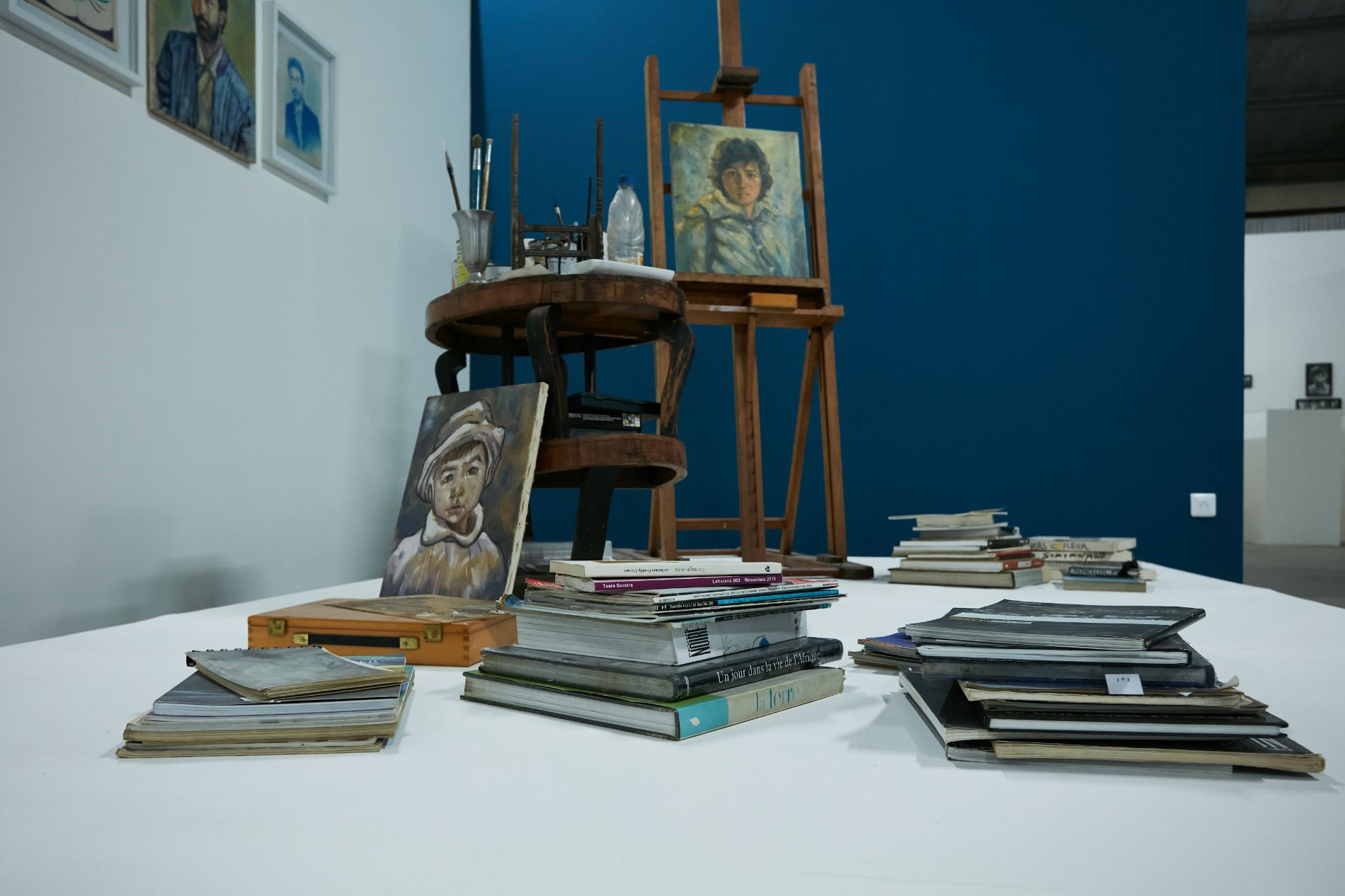
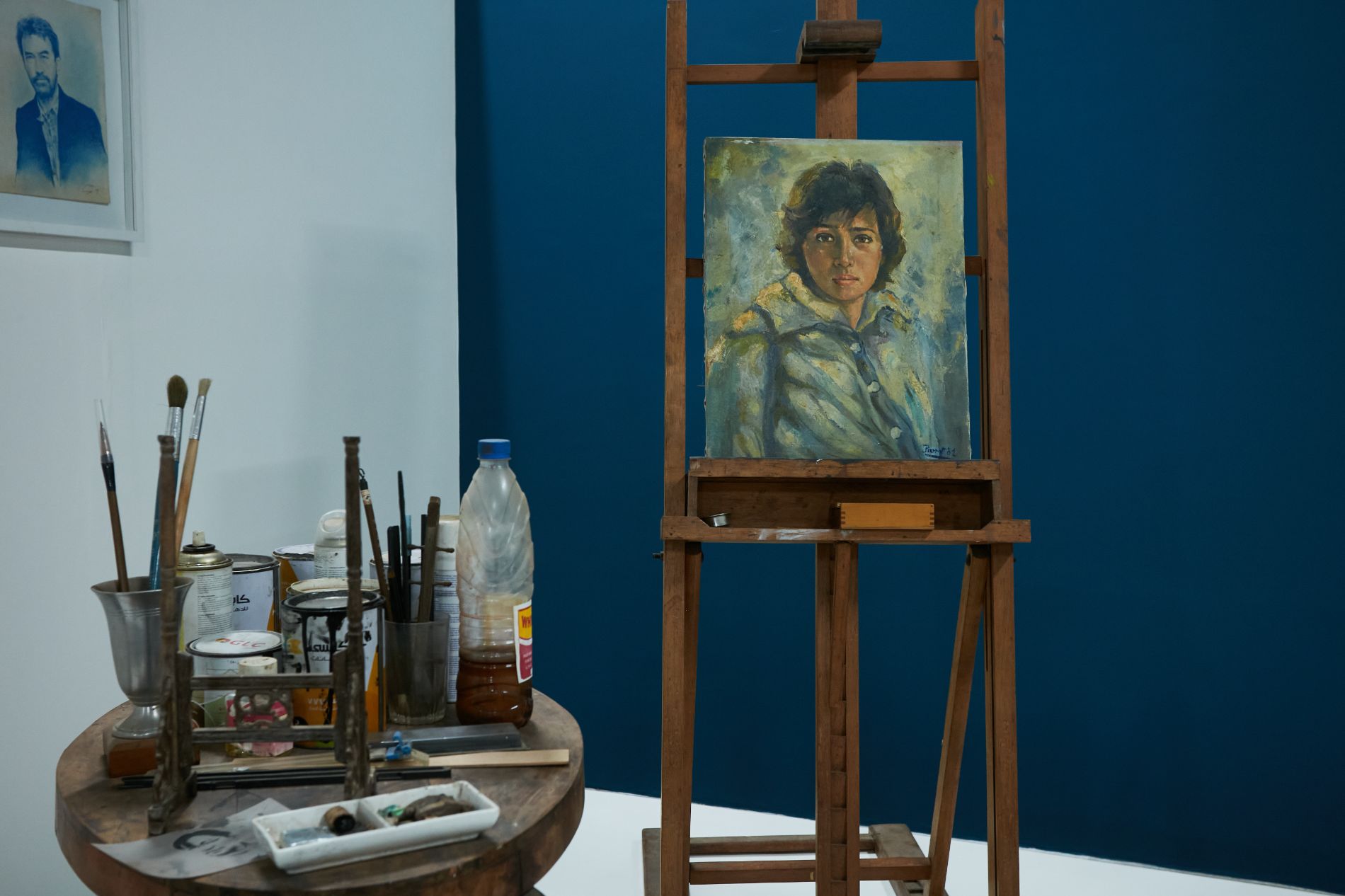
Within this chapter, another unprecedented cabinet unveils the paintings of Pierrot Men’s youth. Traces of first gestures and first intuitions. Elementary yet fundamental, painting here heralds the great days of photography, paving the way for its future iconic status.
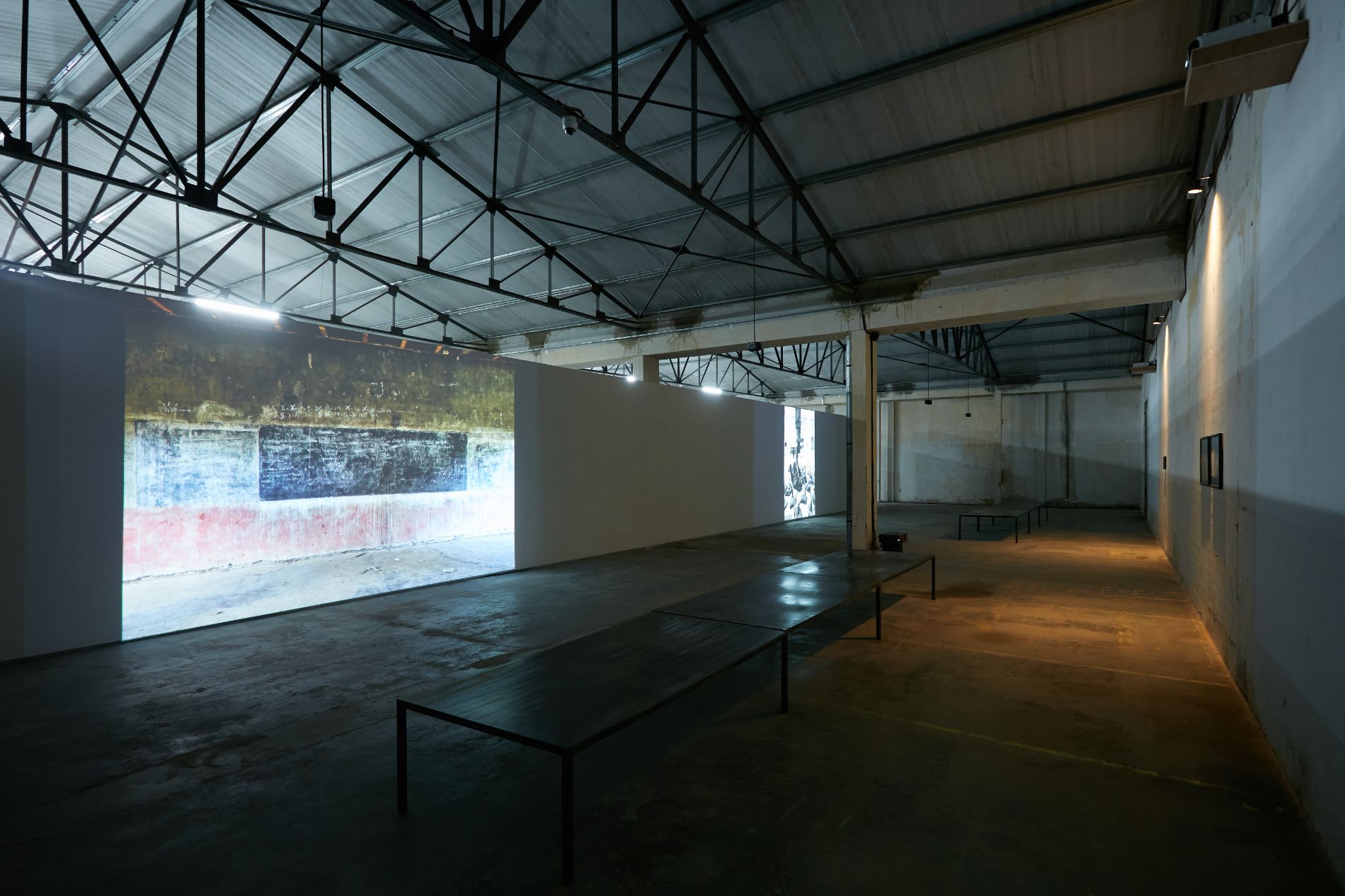
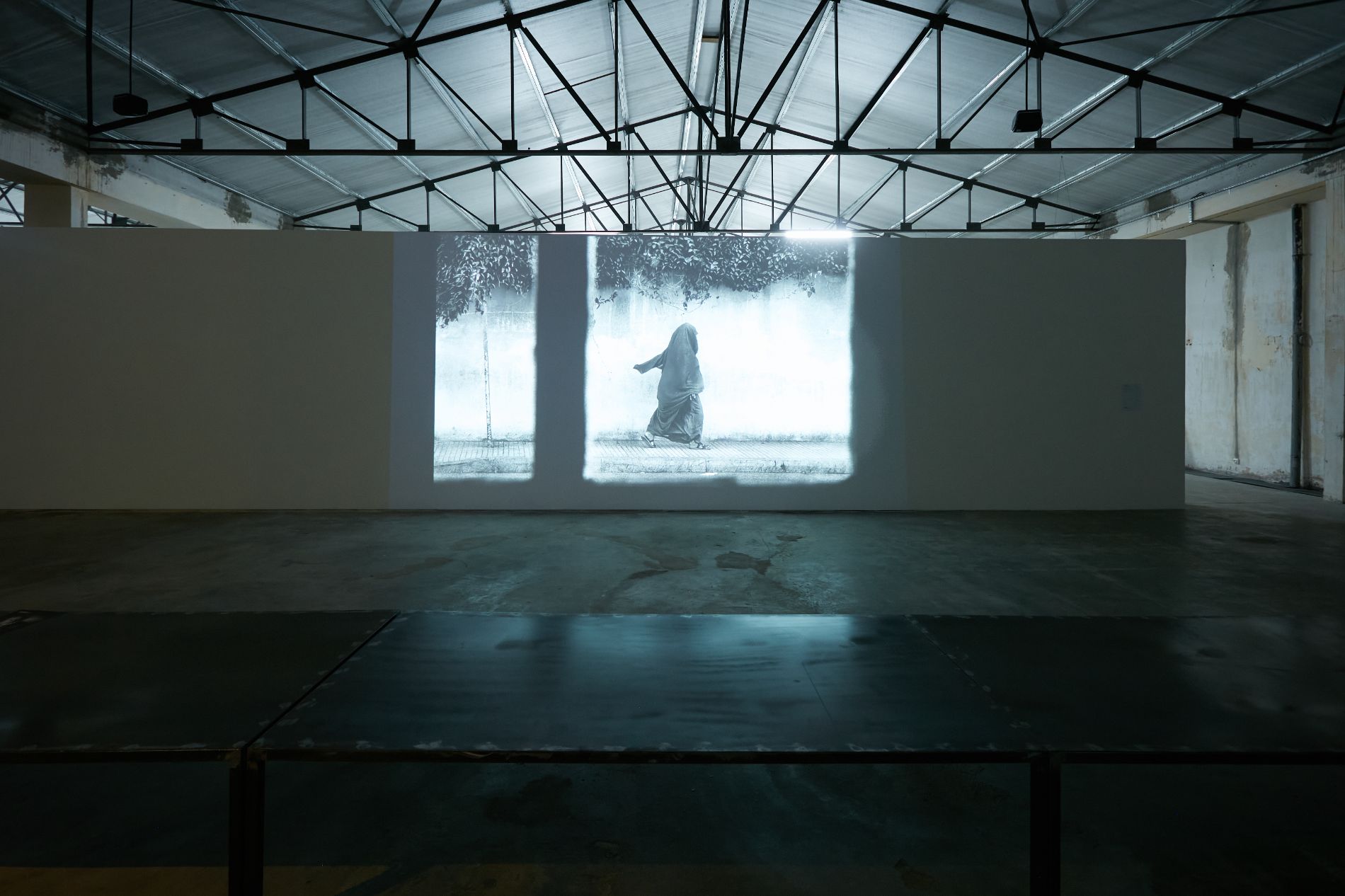
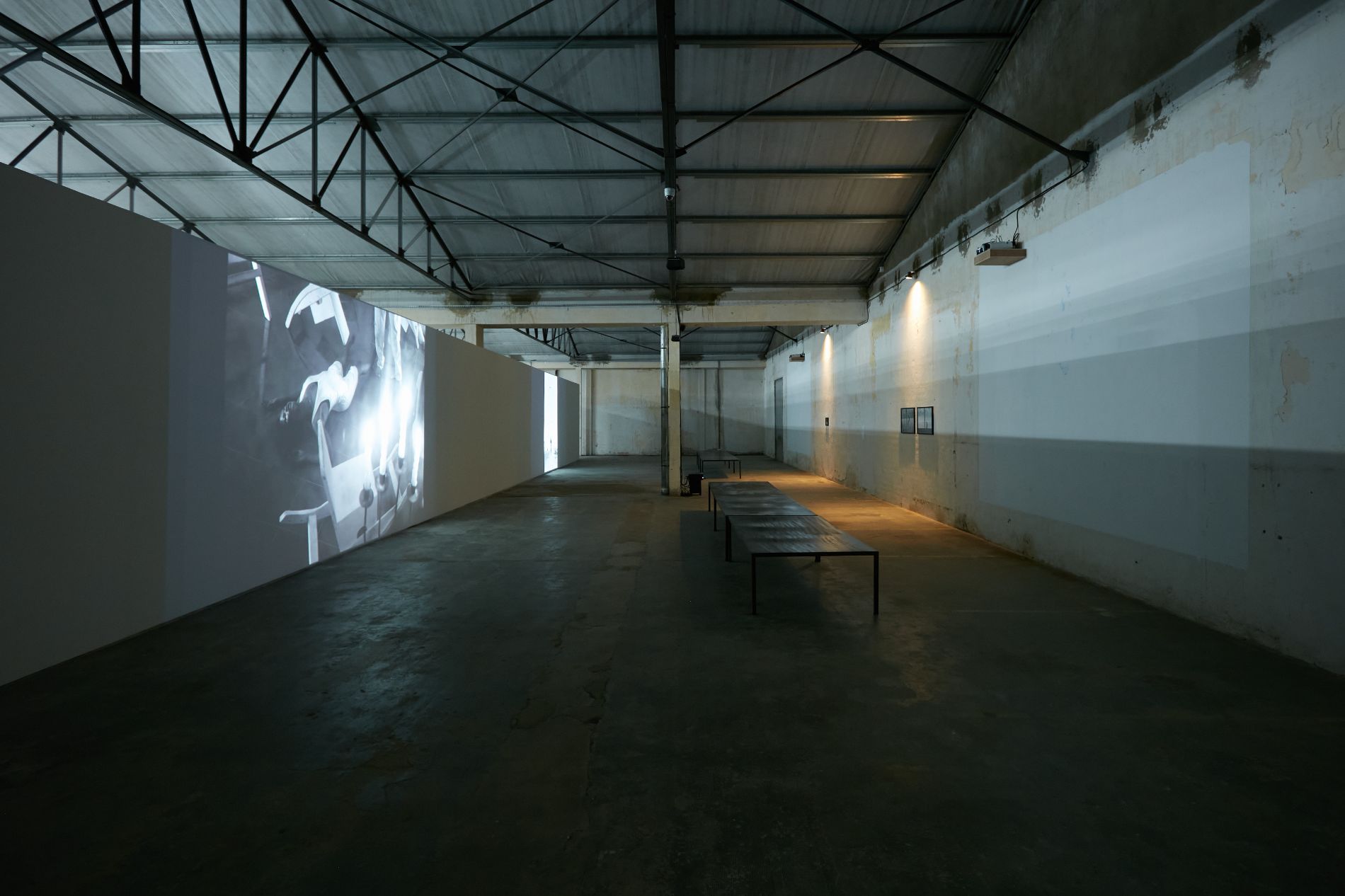
And finally, the future emerges in the form of a video installation created specifically for the exhibition, where still lifes without geography interrogate notions of separation, popular centrality and the memory of objects. Here, for the first time, Pierrot Men embraces the medium of video. He speaks of the world, of tomorrow and of his future.
Images — stories and humanity
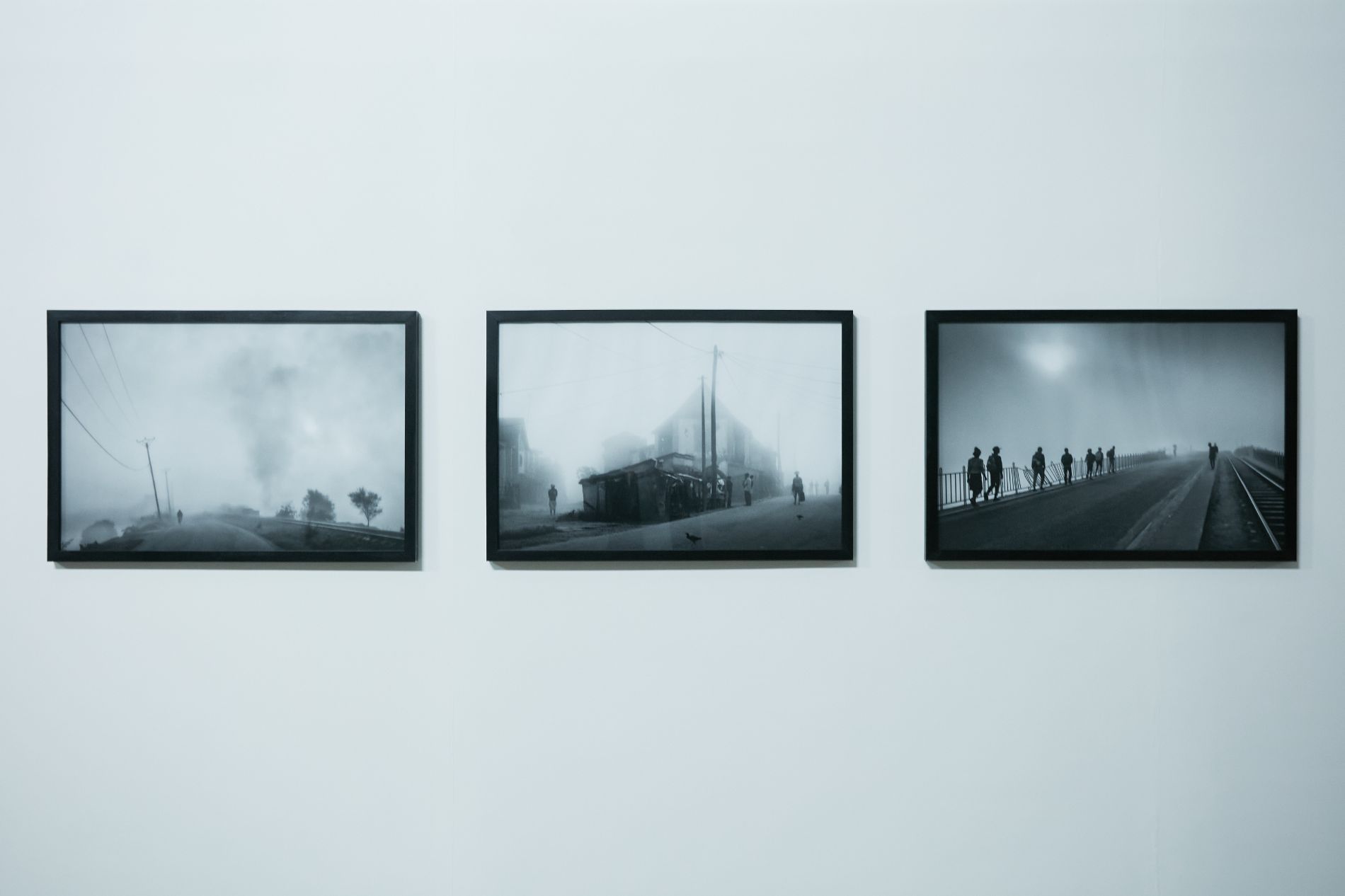
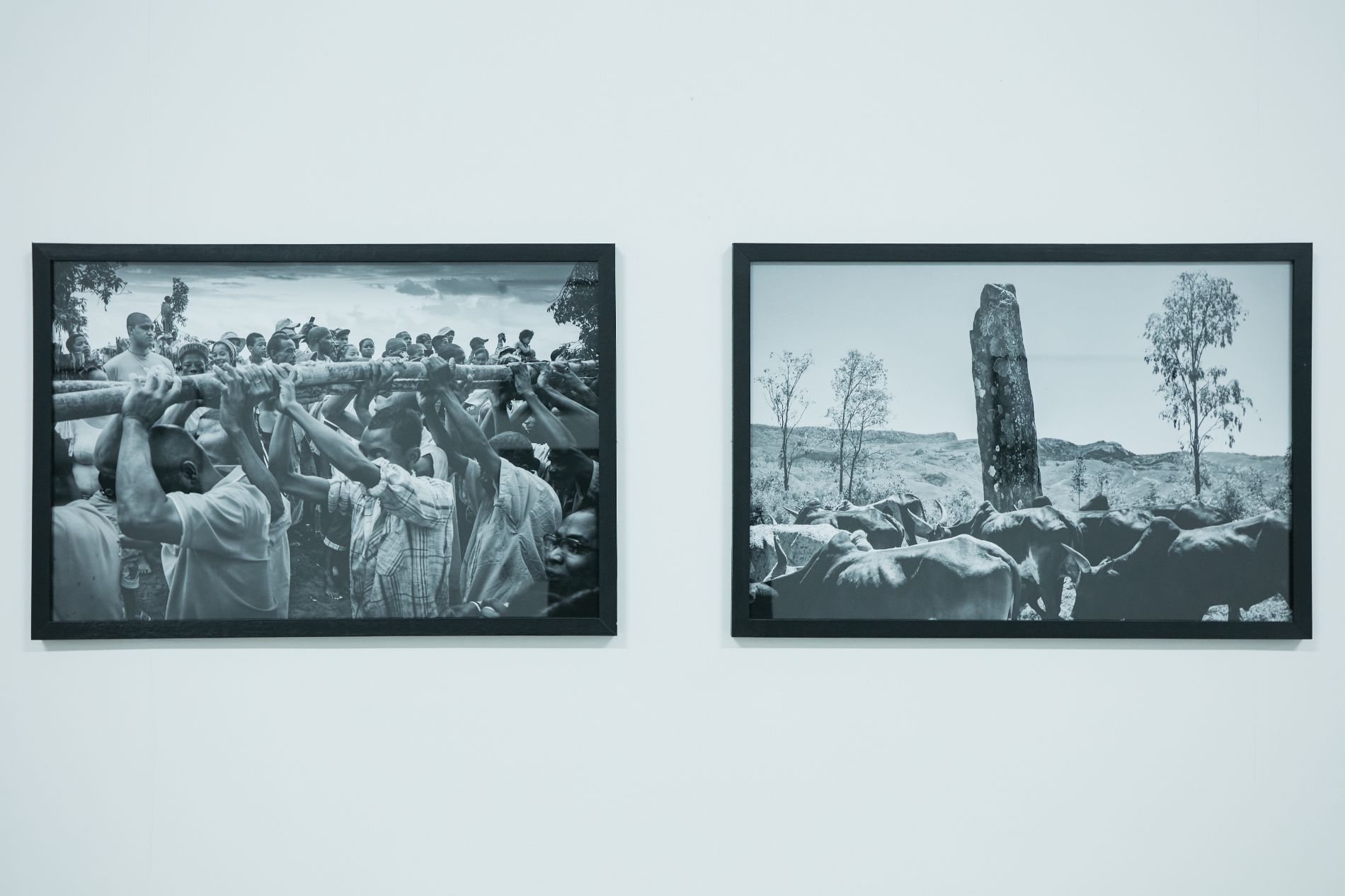
Pierrot Men’s work exists between two temporal registers. On one hand, a photography close to the urgency of testimony. On the other, images shaped by repeated returns, by passages revisited over time, creating a constructed familiarity with places and people. This tension gives rise to an intimate cartography of the Highlands and of several regions across the Great Island, a form of visual memory in motion, at once real and imagined, often associated with a sense of authenticity, poised between human presence and the silent transformations of landscapes.
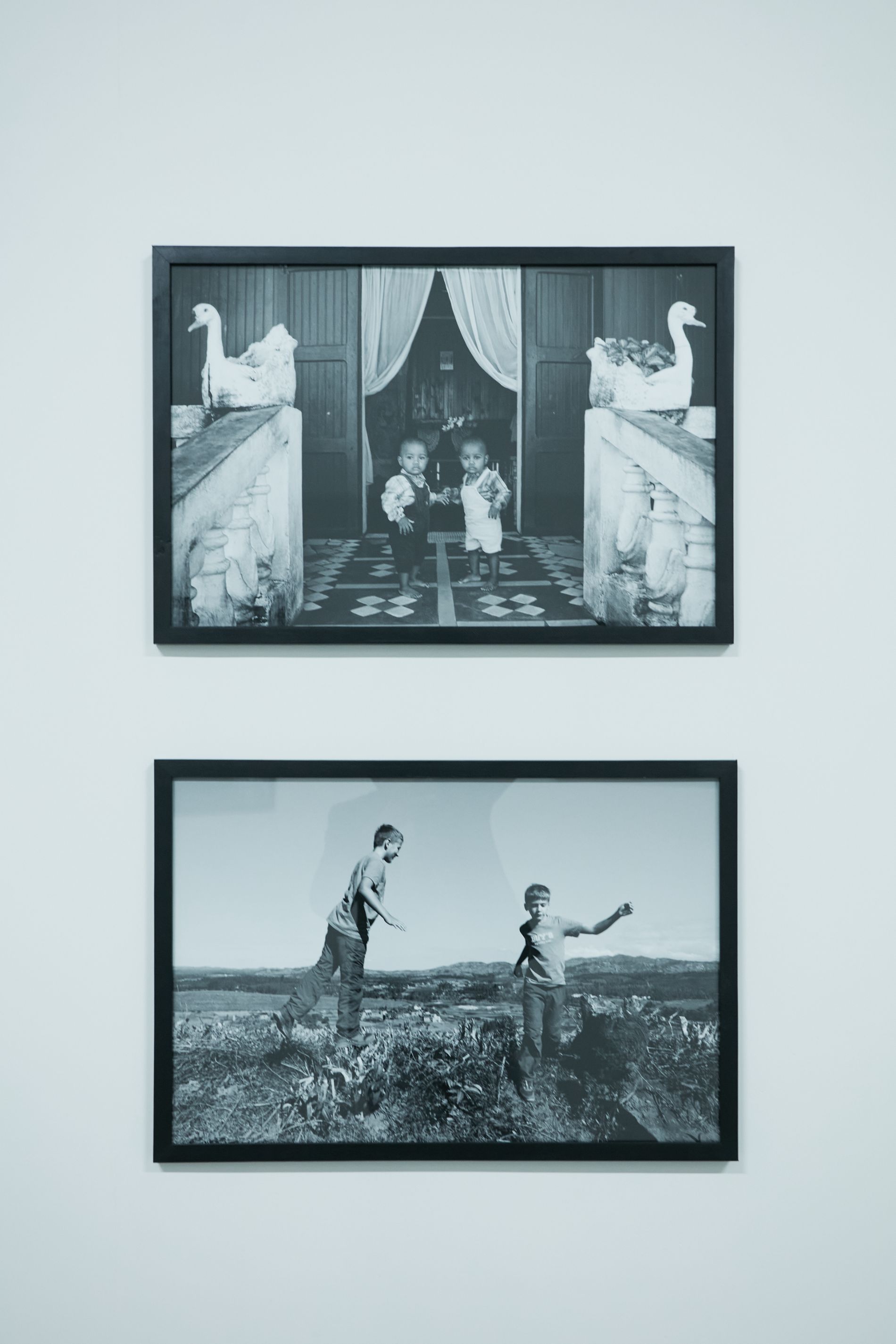
These photographs allow us to see far beyond territories, landscapes and scenes of everyday life. They tell of the men and women who inhabit them, of their joys, sorrows, follies, hopes and ways of being in the world. They invite us into lives often distant from the concerns of the contemporary world, where everyday gestures retain their full significance.
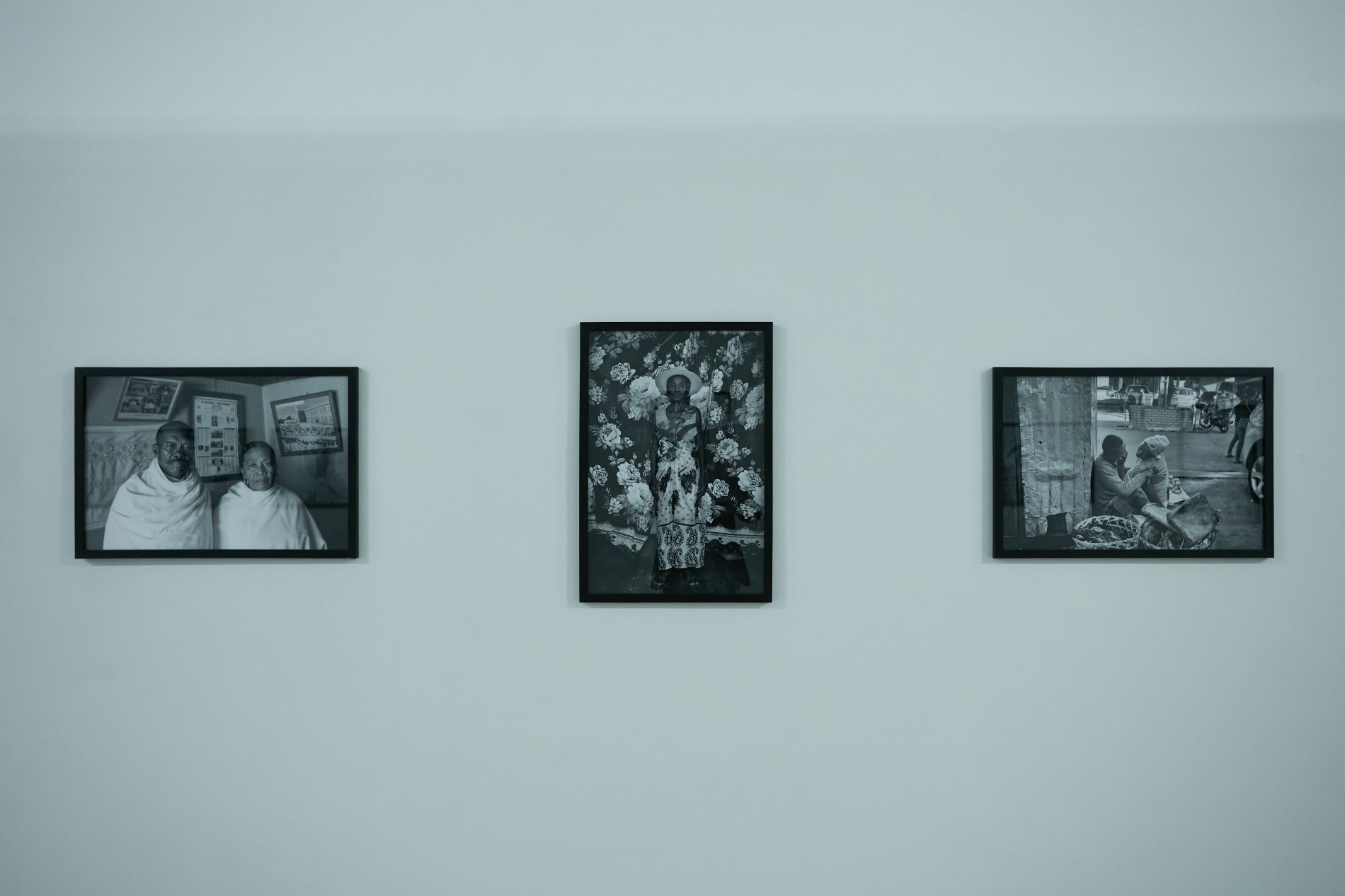
Across cities and countryside alike, Pierrot Men photographs markets, streets, popular festivities, moments of labour and of rest. He reveals the elegance of men, women and children, but also youth itself, its aspirations, anxieties and longing for freedom. His images speak equally of day and night, of celebration and solitude.
A solitude that runs throughout his work, often accompanied by mist and landscapes shrouded in fog. Then there is his marked fascination with the traces left by human beings: houses under construction, brick kilns, rice fields, building sites, churches and temples. These structures bear witness to the universal need to build, to grow, to believe and to transmit.
Alongside human achievements, Pierrot Men also reminds us of the majestic presence of nature. Mountains, clouds and vast landscapes occupy an essential place within his work. They become the true monuments of a territory and invite us to cast our gaze beyond ourselves.
This attention to individuals is equally present in his work devoted to the community of Soatanana. Known for its profound spiritual dimension and its large religious gatherings, this community appears before his lens in all its dignity. His images reveal the strength of the collective, the importance of faith and the intensity of moments of contemplation that shape communal life.
In his series devoted to the veterans of the events of 1947, Pierrot Men turns his attention to those whose faces still bear the marks of History. He photographs men shaped by resistance, time and memory. With restraint and respect, he questions the transmission of this fragile memory and pays tribute to those who remain its final witnesses.
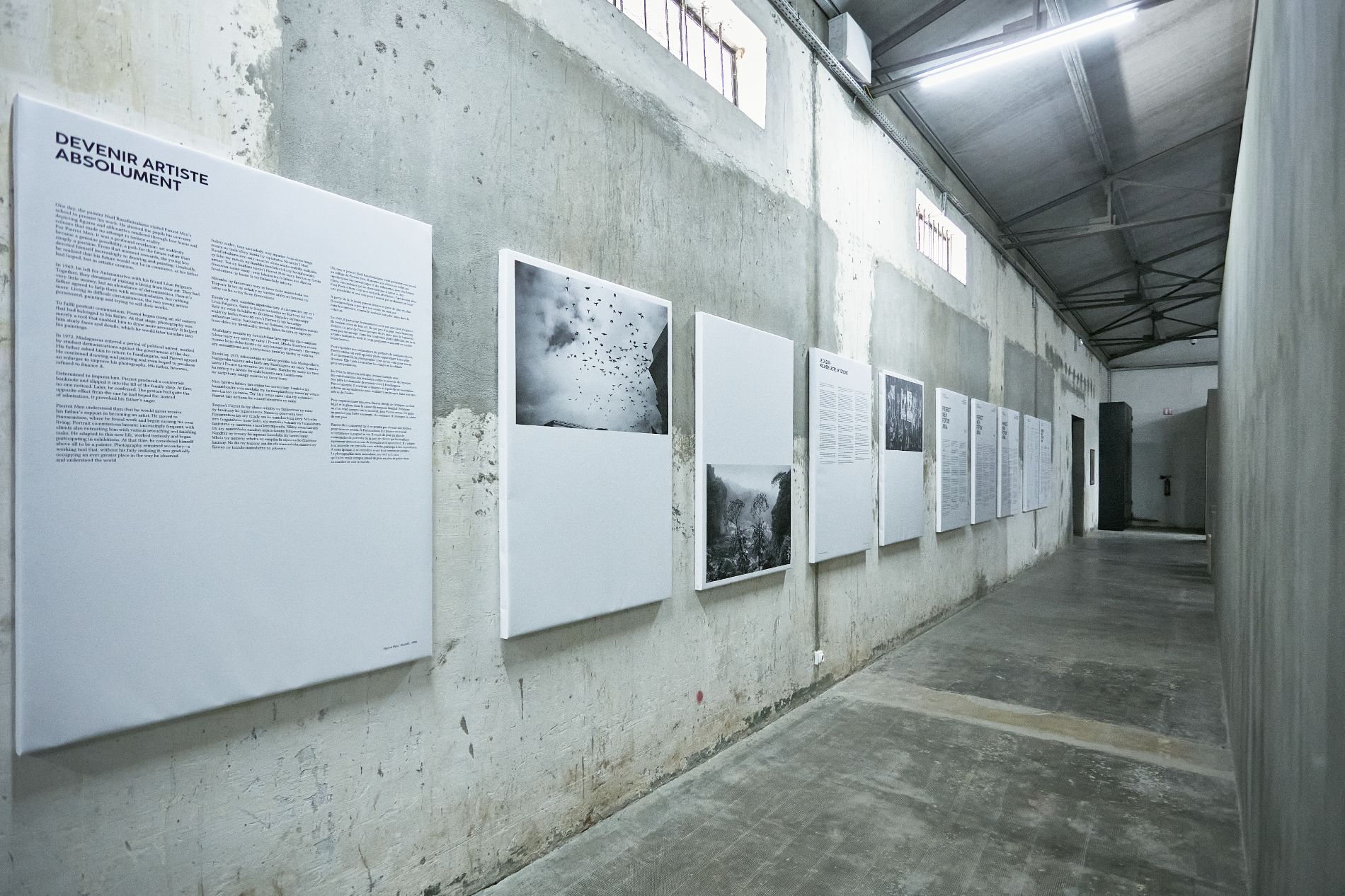
To understand this vast abundance of intentions translated into images, one must return to the inner necessity that defined him: becoming an artist. Not as a social conquest, but as a means of surviving oneself. From an early age, he had to move forward against resistance, against doubt, against the initial refusal of his father. And yet he persisted, carried by a promise made to his mother: to go all the way and become the man he was meant to be. That promise quietly runs throughout his entire oeuvre.
His work remains inseparable from black and white, from that dense material composed of shadow, light and silence. He belongs to a generation for whom analogue photography was not an aesthetic choice but a way of breathing. When economic constraints gradually led him towards digital technologies, it was not merely a technique that changed: another temporality of vision emerged, another way of writing the world.
And then there is colour. Long kept at a distance. Like a preserved secret. Like the enduring memory of a first love: painting. In Pierrot Men’s work, colour always returns from afar, laden with nostalgia, as though it belonged to an even more intimate territory of his story.
In the softness of a dream
Behind the recognition of his work and the central place he now occupies within the history of African photography and beyond, there remains above all the young painter leaving the family home and confronting hunger in order to live his passion. There also remains the father who chose photography whilst assuming his responsibilities. Of all this, what endures most powerfully is that rare ability to pursue a dream without ever losing its gentleness.
Today, FOFON’AINA reminds us that Pierrot Men’s work was not born from an aesthetic trend or an artistic movement. It emerged from a way of being in the world. And perhaps the great images are simply those that have travelled through life without ever losing the breath that first brought them into being.
Joël Andrianomearisoa & Rina Ralay Ranaivo
June 2026