LAMBA FOREVER
MANDRAKIZAY
08.07.2023 - 25.11.2023
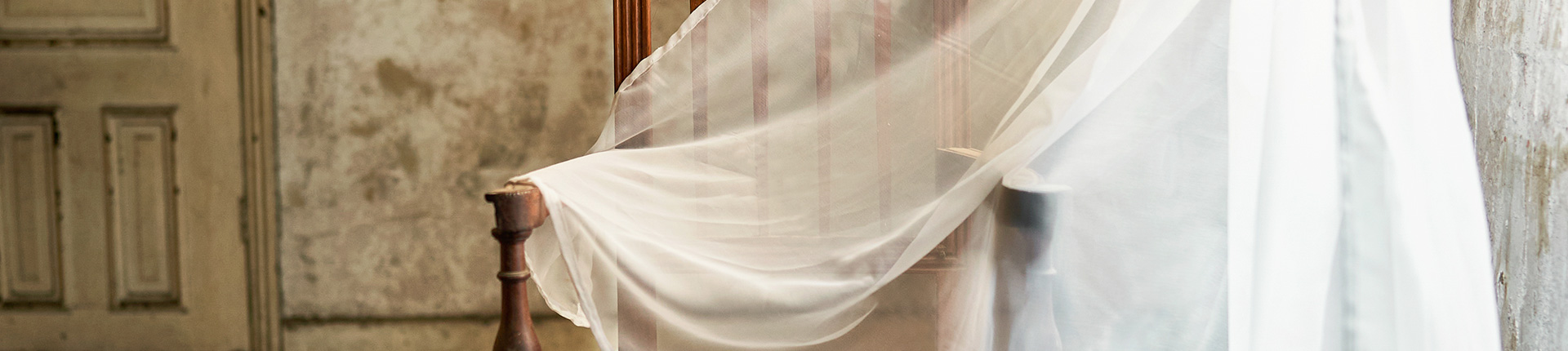
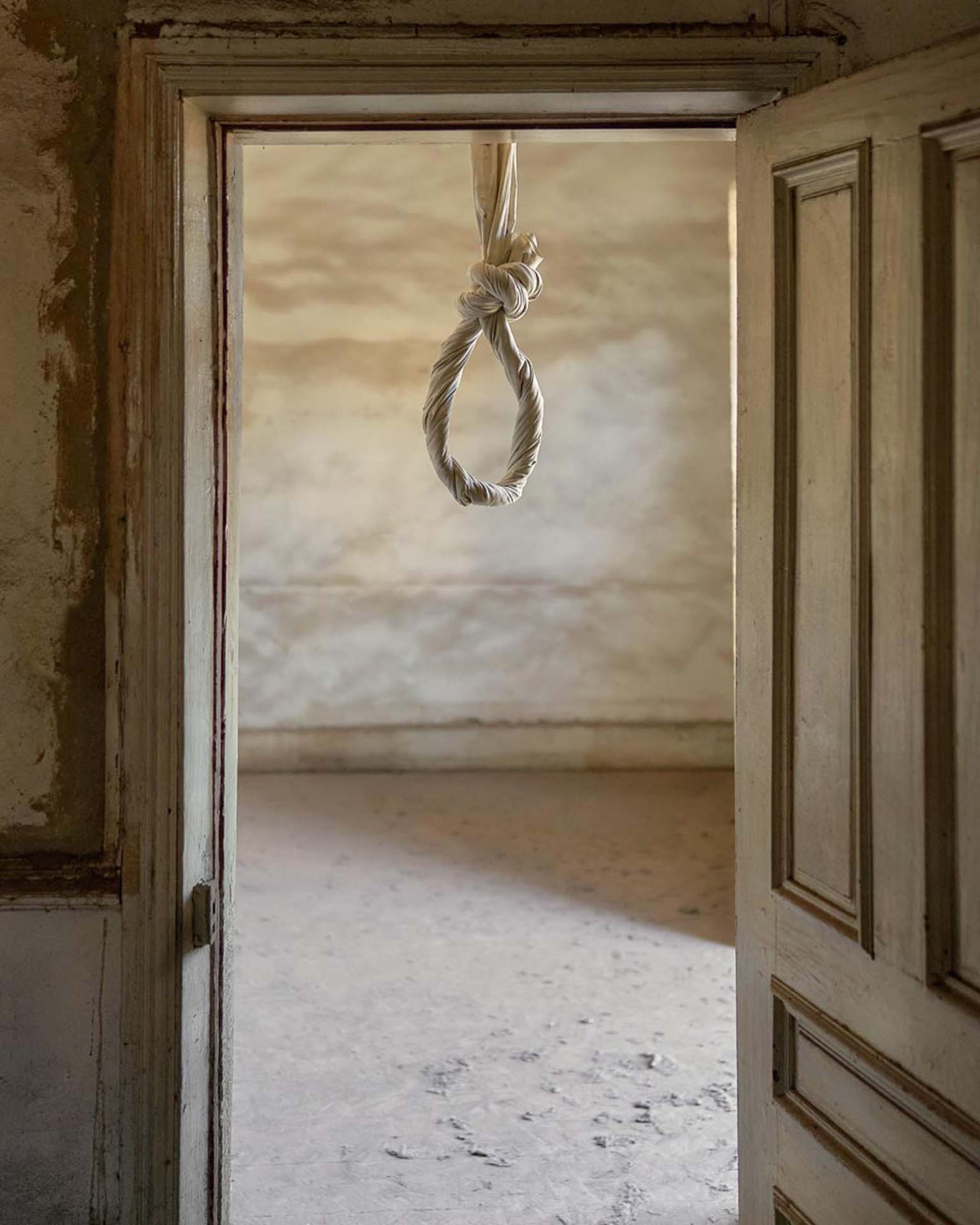
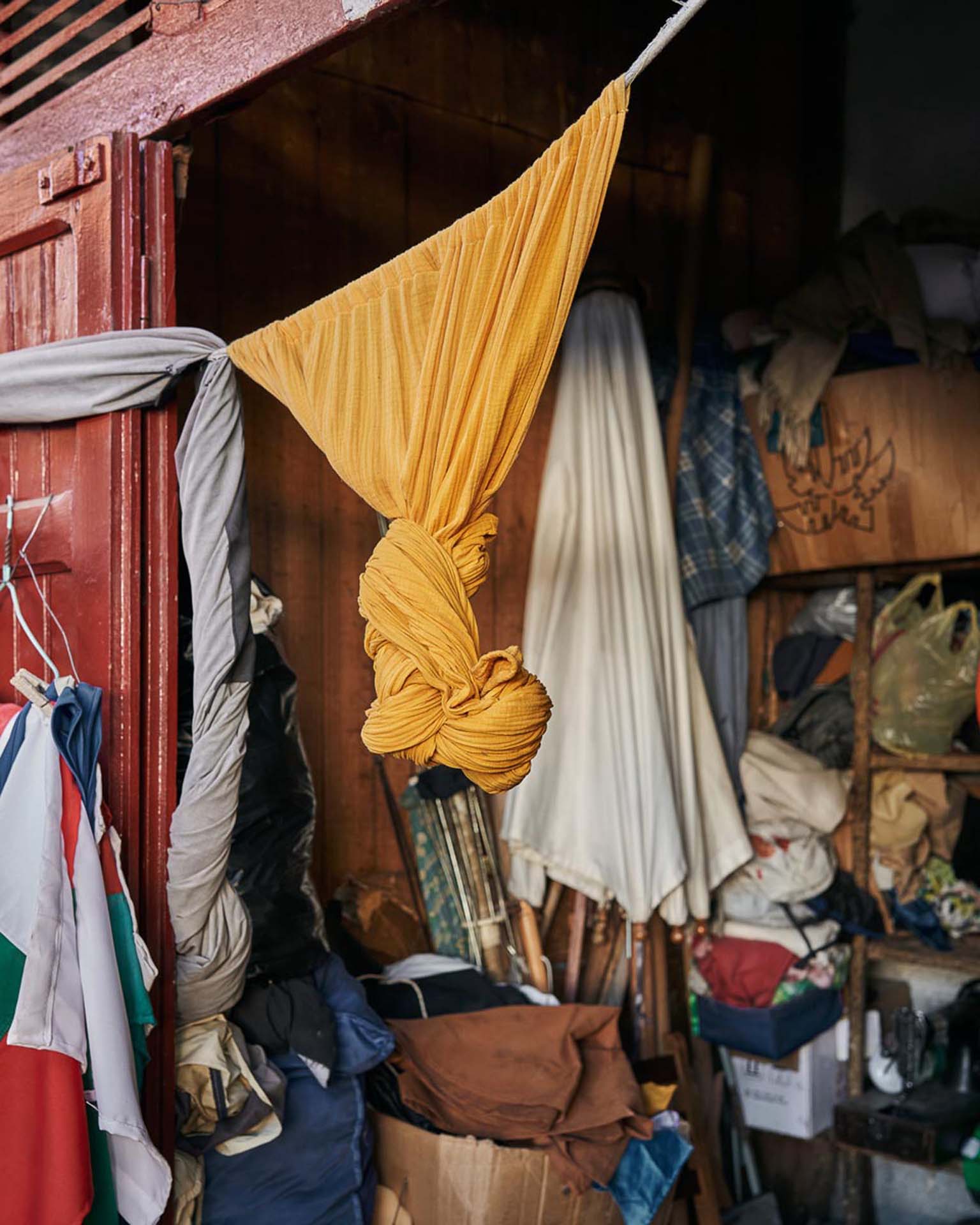
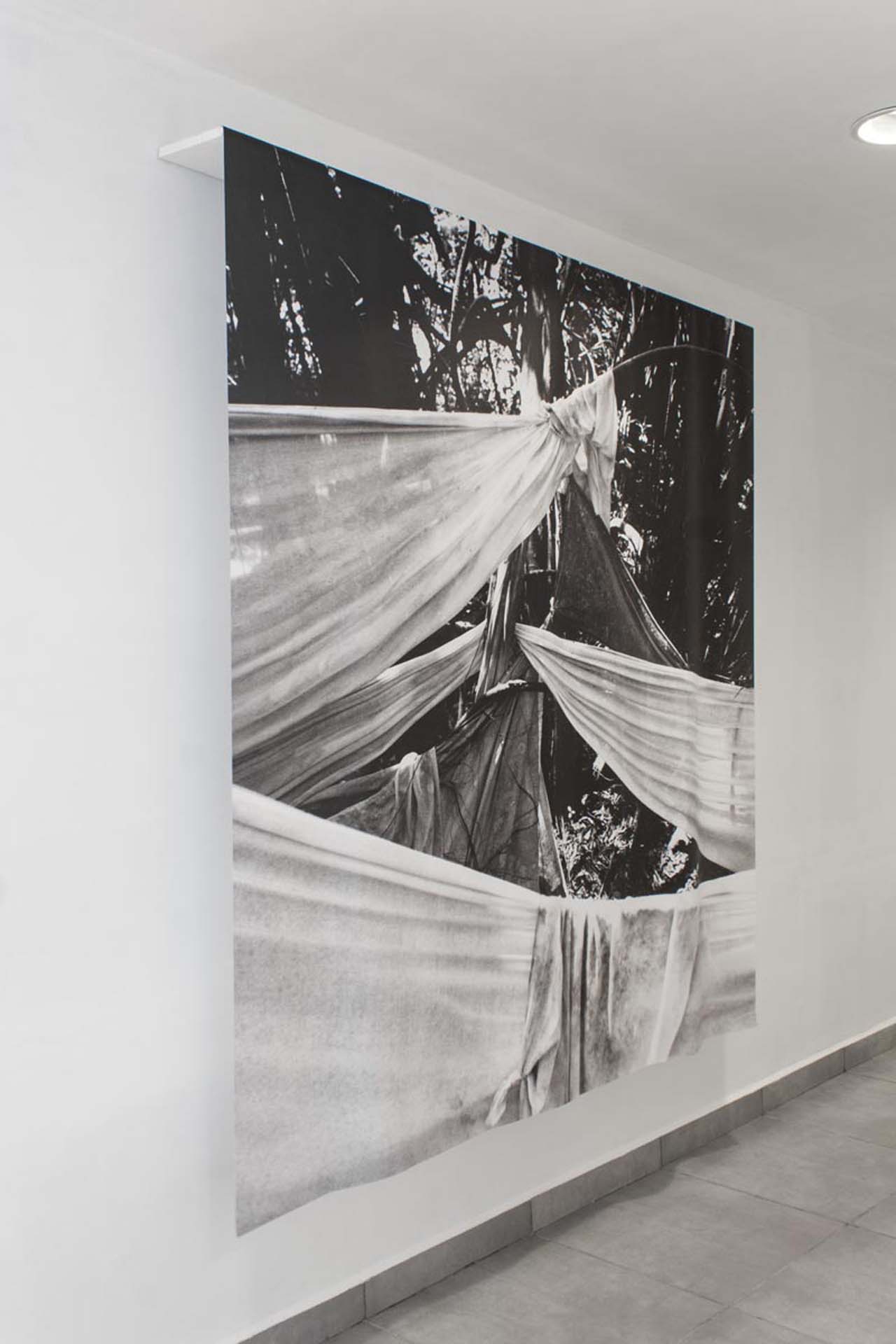
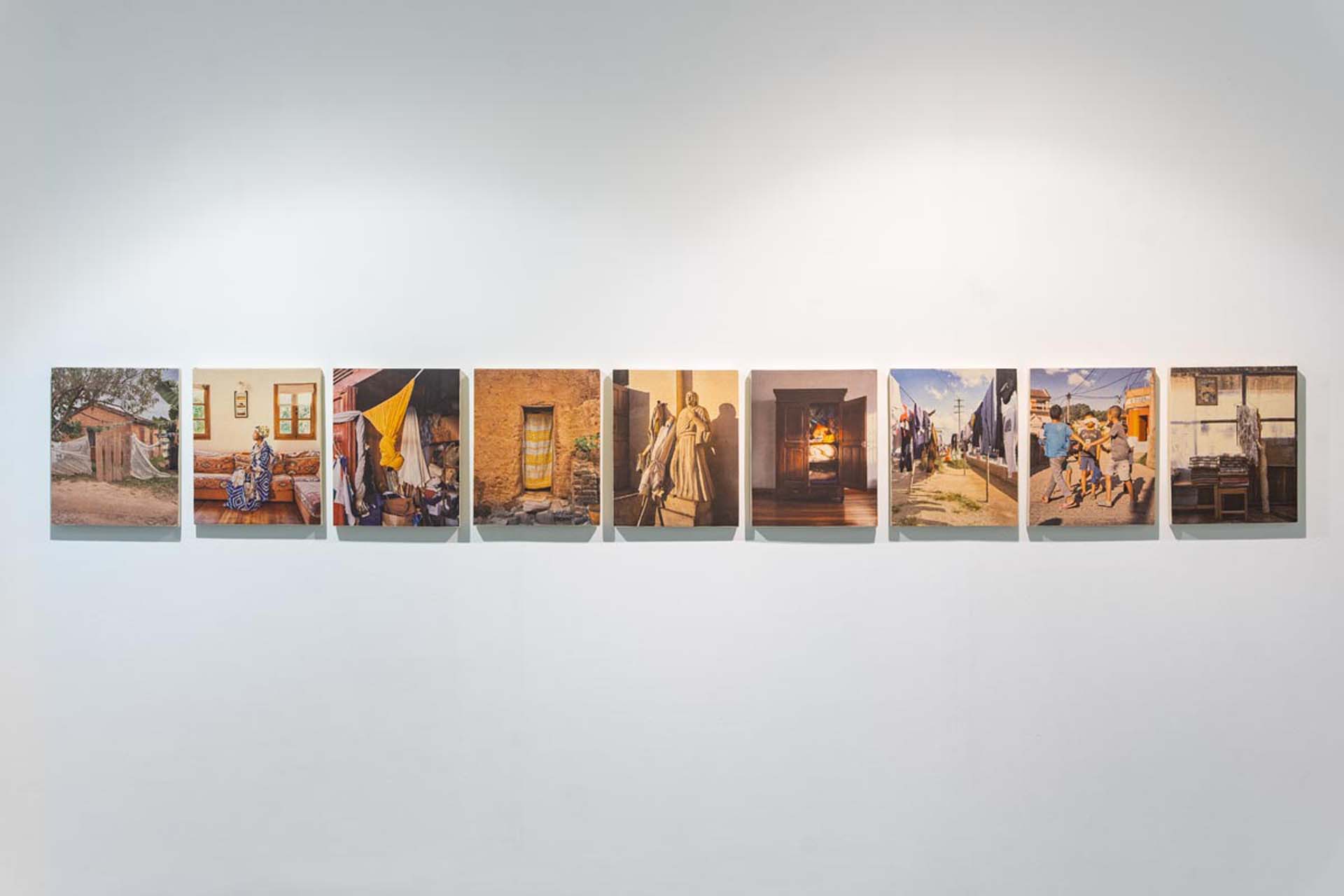
Doria . Kevin Ramarohetra . Lamba Forever Mandrakizay . 2023 . Collection Yavarhoussen
Sous le commissariat de Joël Andrianomearisoa . Ludonie Velotrasina . Rina Ralay-ranaivo
A group exhibition with
Gad Bensalem . Jean Yves Chen
Tsiriniaina Irimboangy . Charles Edgar Lincoln
Joël Andrianomearisoa . Madame Zo . Nazaria Tooj
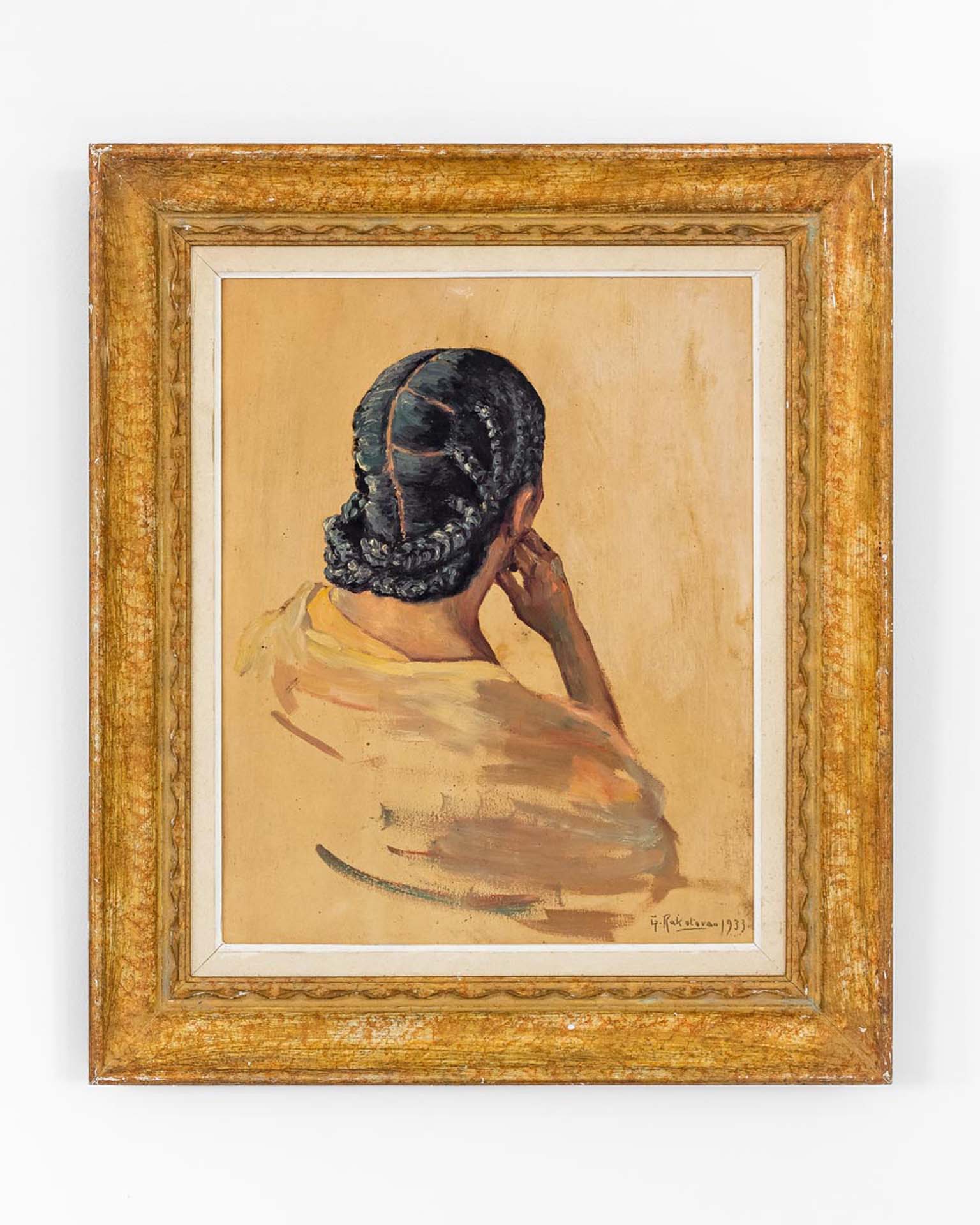
Jean Luc Raharimanana . Alphonse Rakotovao
Gaston Rakotovao . Emile Ralambo
Kevin Ramarohetra . A. Ramiandrasoa
Sandra Ramiliarisoa . Ramilijaona . H. Ranaivo
Nadia Randriamorasata . Rasolonjatovo
Christian Sanna . Clée Rabeharisoa . Charlotte Razafindrakoto
Yesterday, here and now, forever and ever.
In any attempt of a cultural representation of Madagascar, the lamba is an indispensable component.
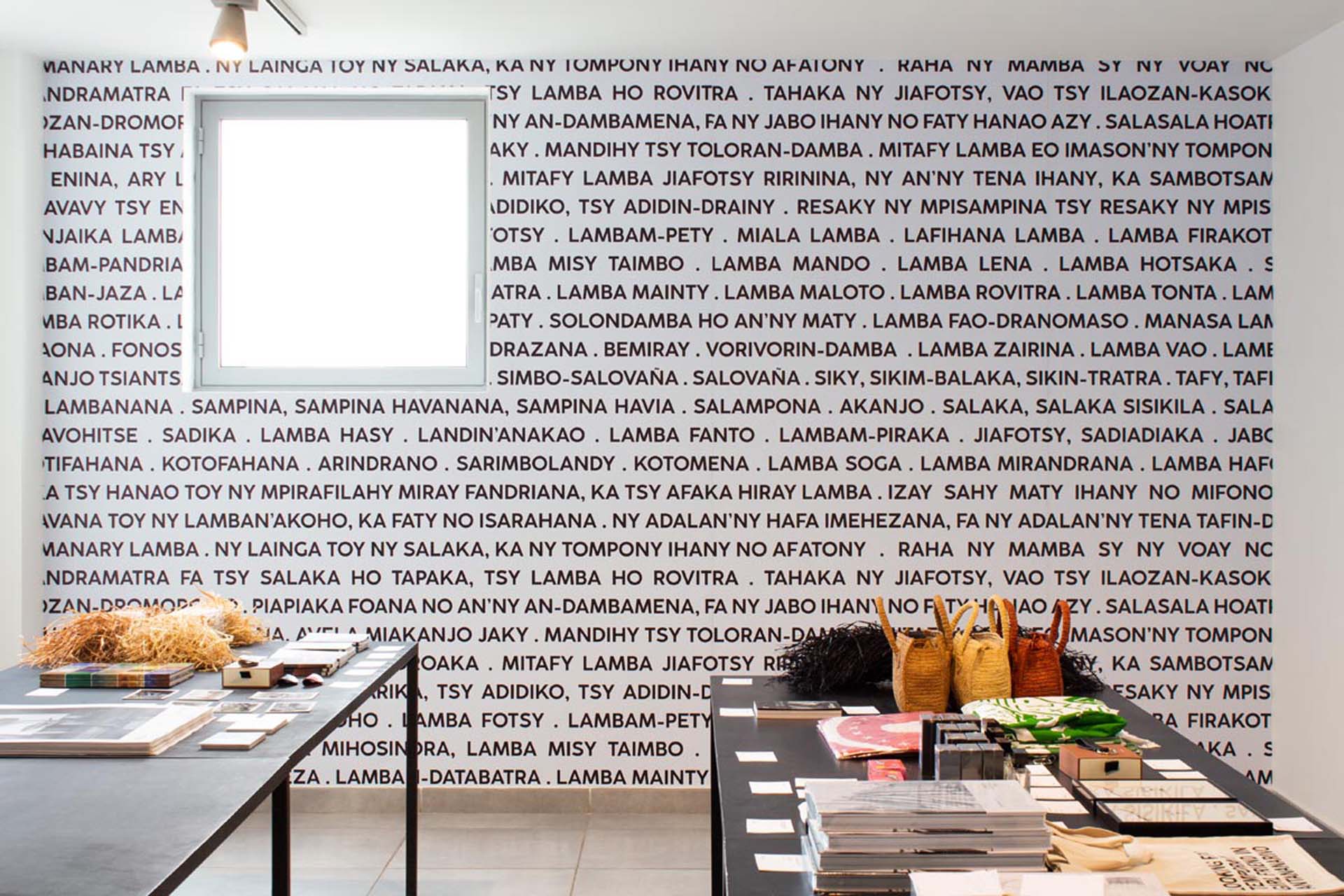
Lamba lamba lamba ary lamba ihany.
At the crossroads of all that the lamba can currently mean and represent, the LAMBA FOREVER MANDRAKIZAY exhibition sheds light on the immutable yet delicate nature of this fabric. Reflecting the spirit of projects undertaken by Hakanto Contemporary, it offers the public a multidisciplinary perspective and multiple visions on this textile piece, which is more than just a medium. The exhibition showcases the plurality of artistic approaches as well as the diversity of aesthetics. The artists it brings together all have a connection to the lamba, an object that alternates between fascination and experimentation, calling out the imagination but also fantasies.
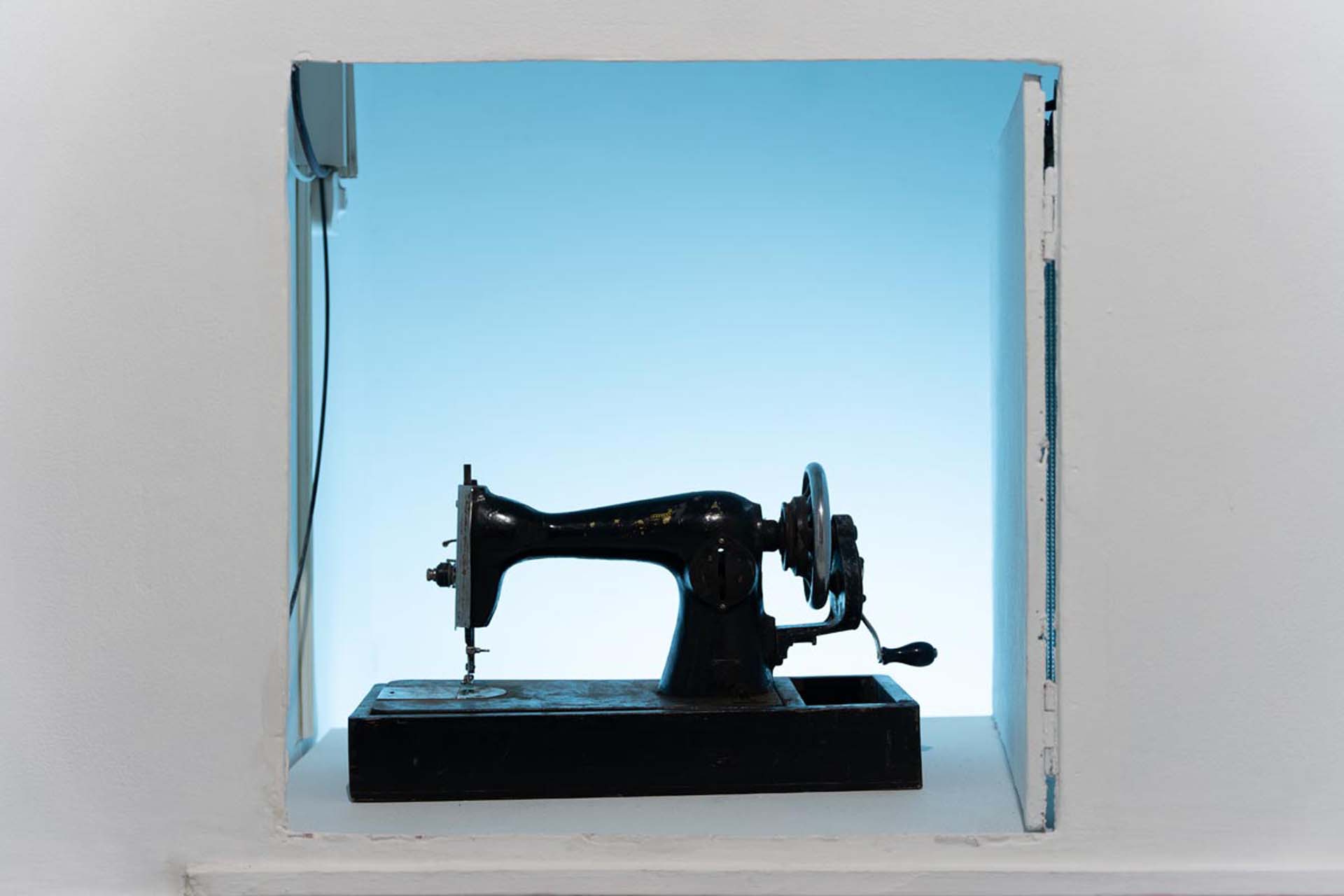
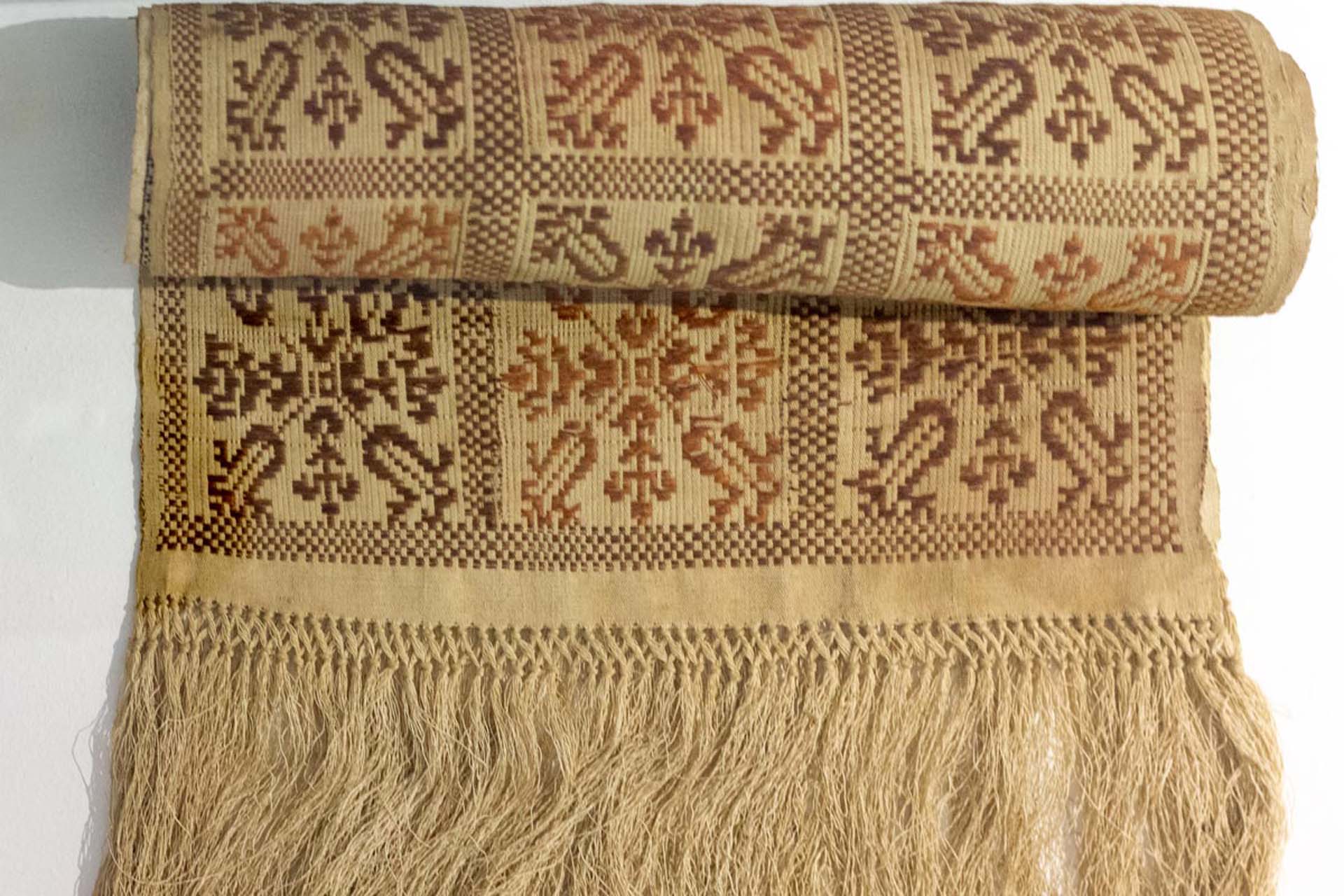
By definition, the lamba is a geometric textile piece, often rectangular, made to be worn, lived with and used from the first day until the end and even beyond.
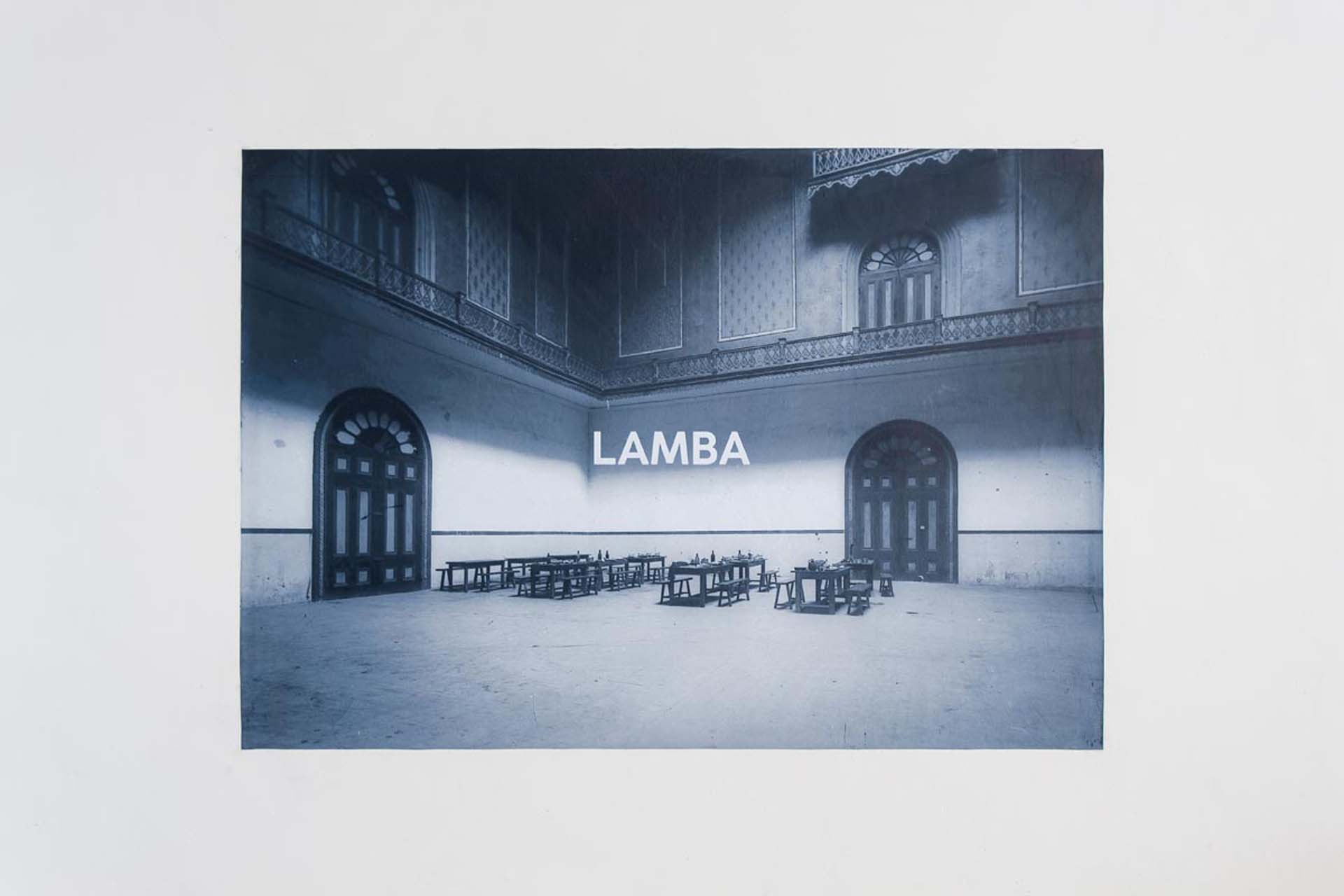
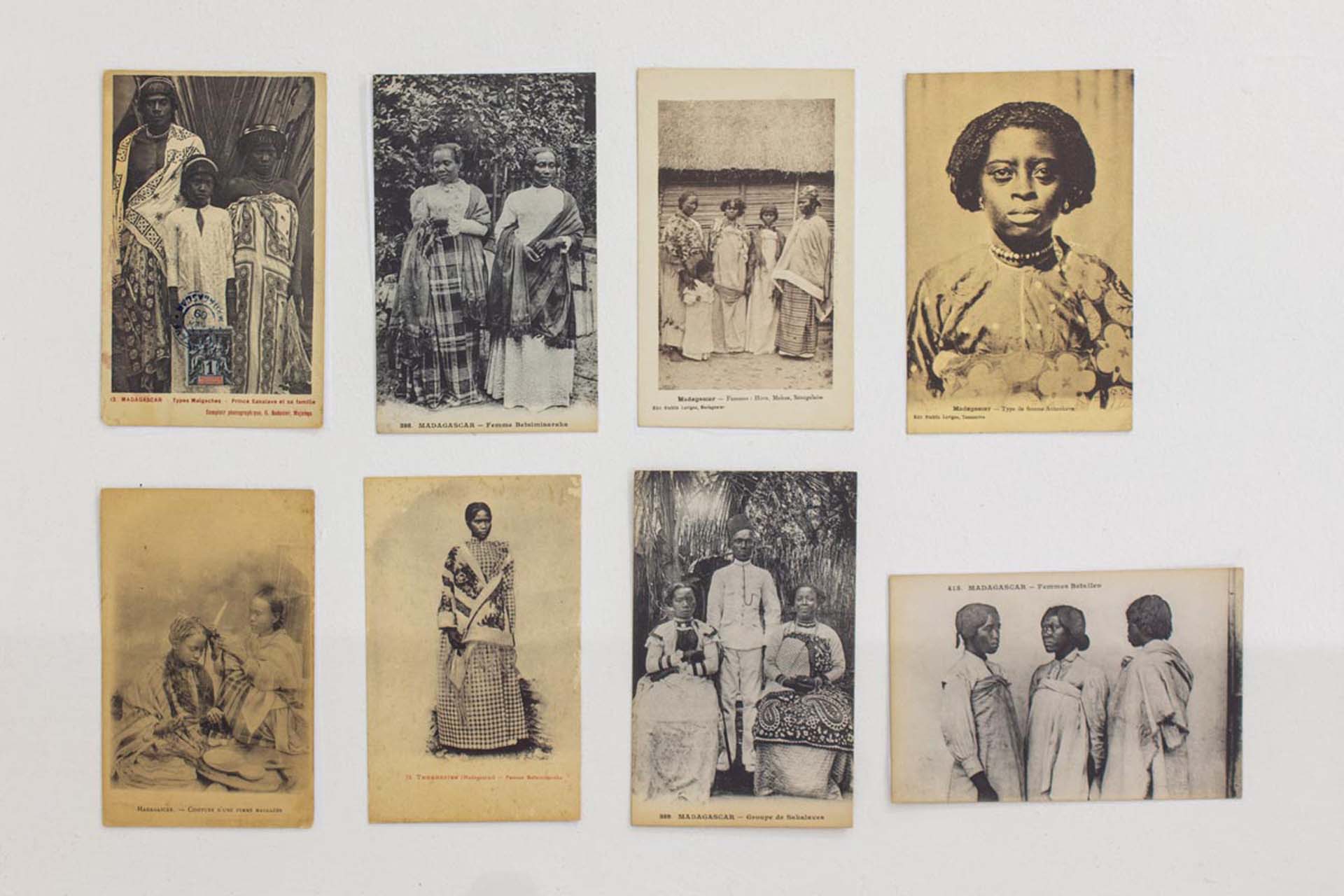
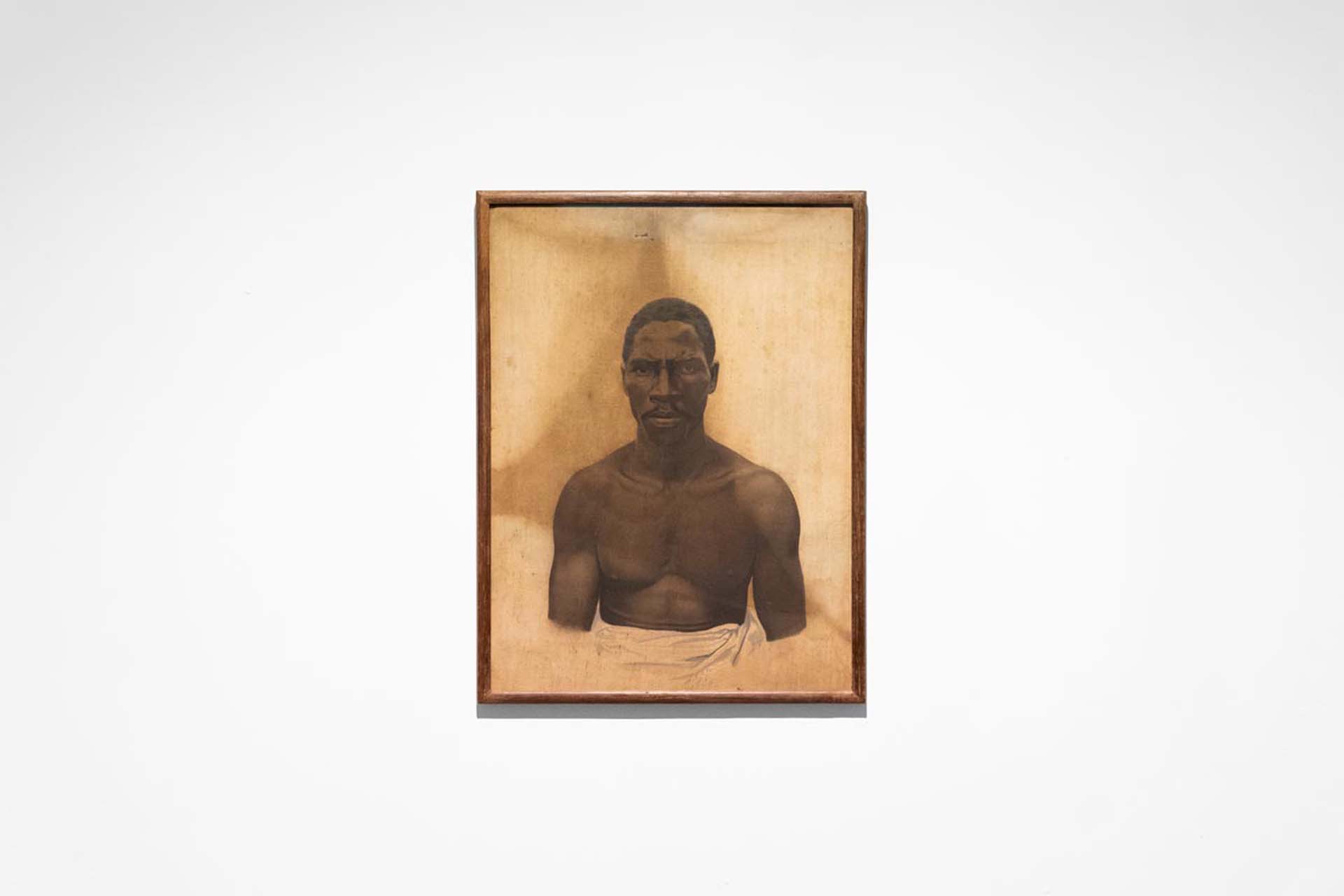
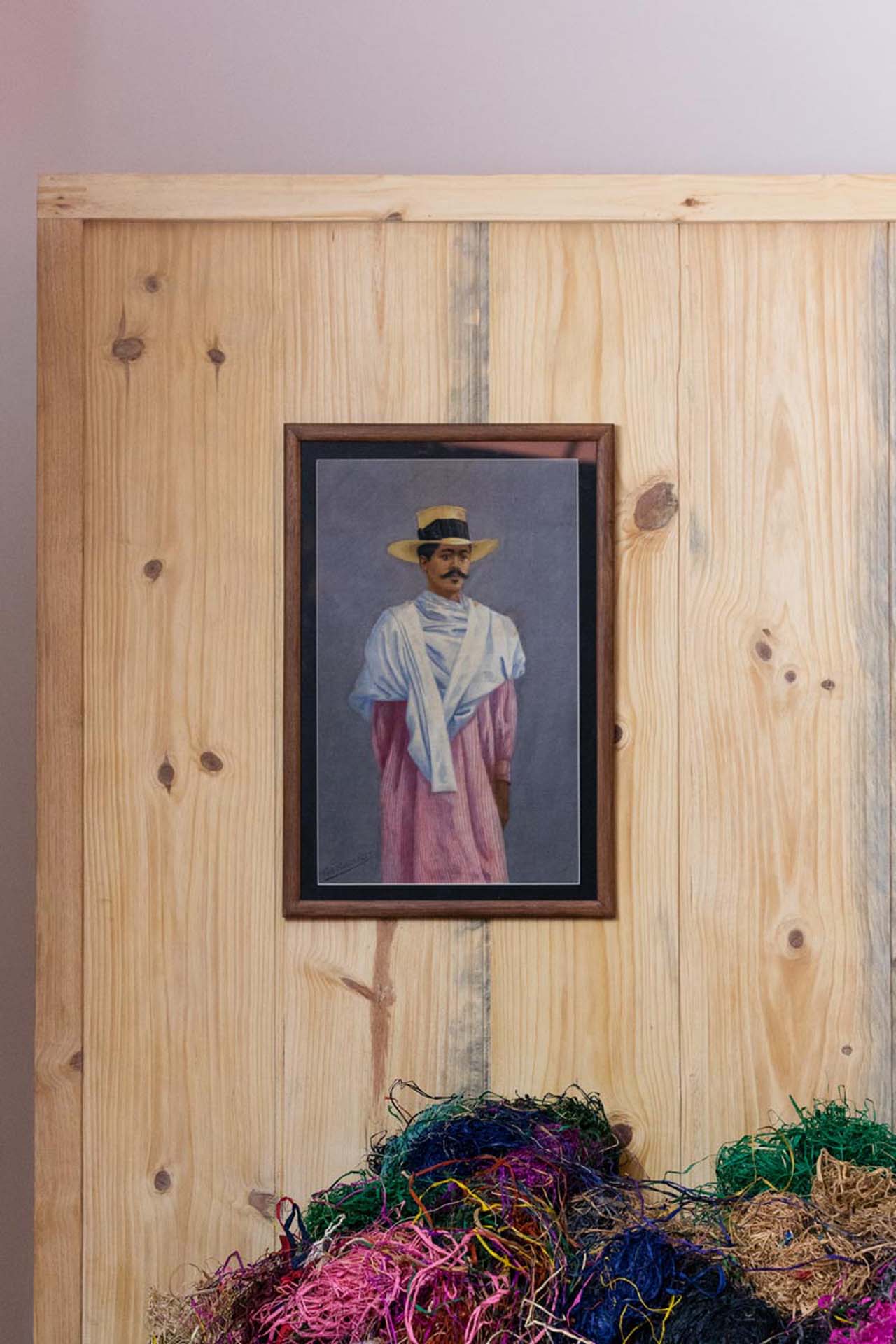
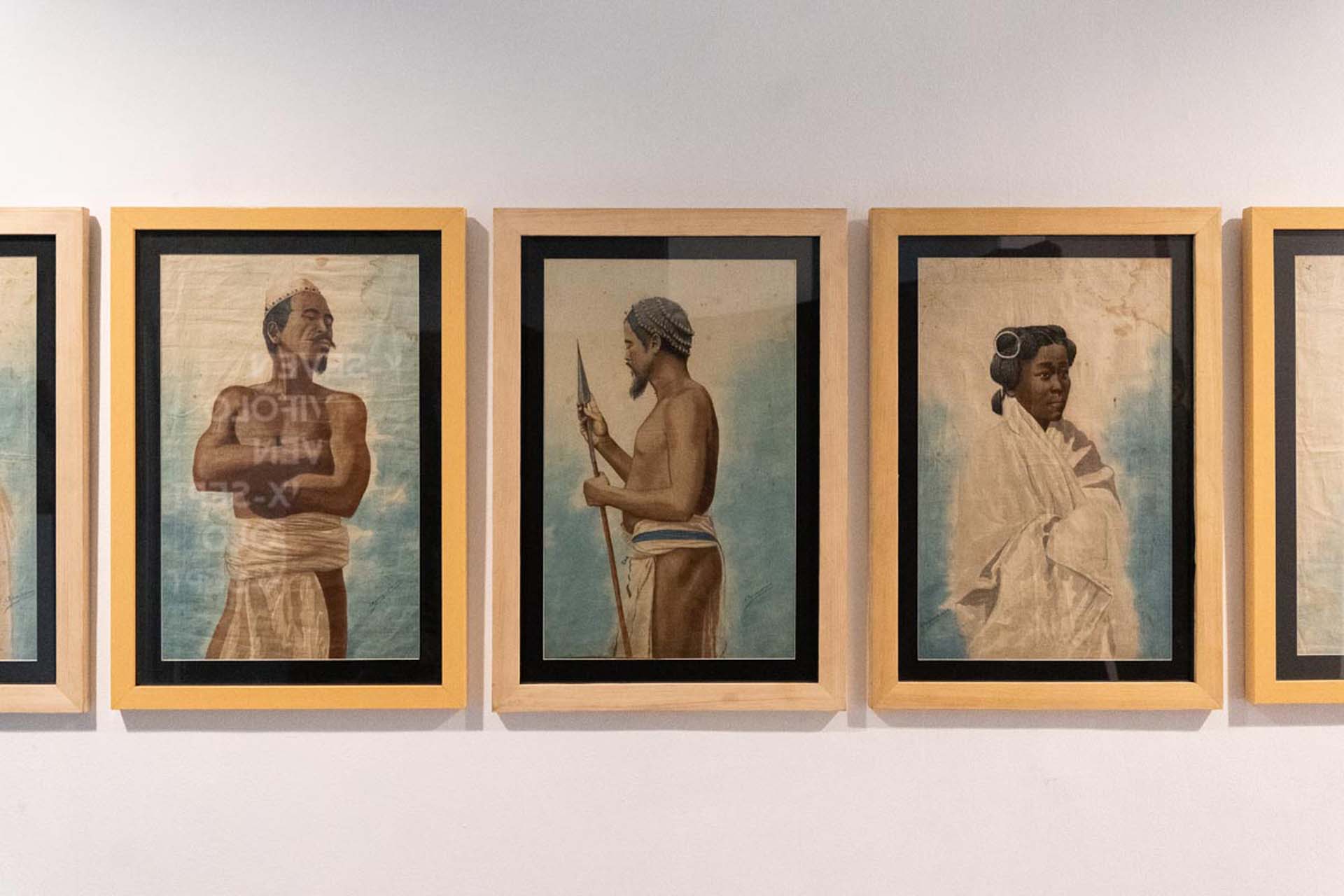
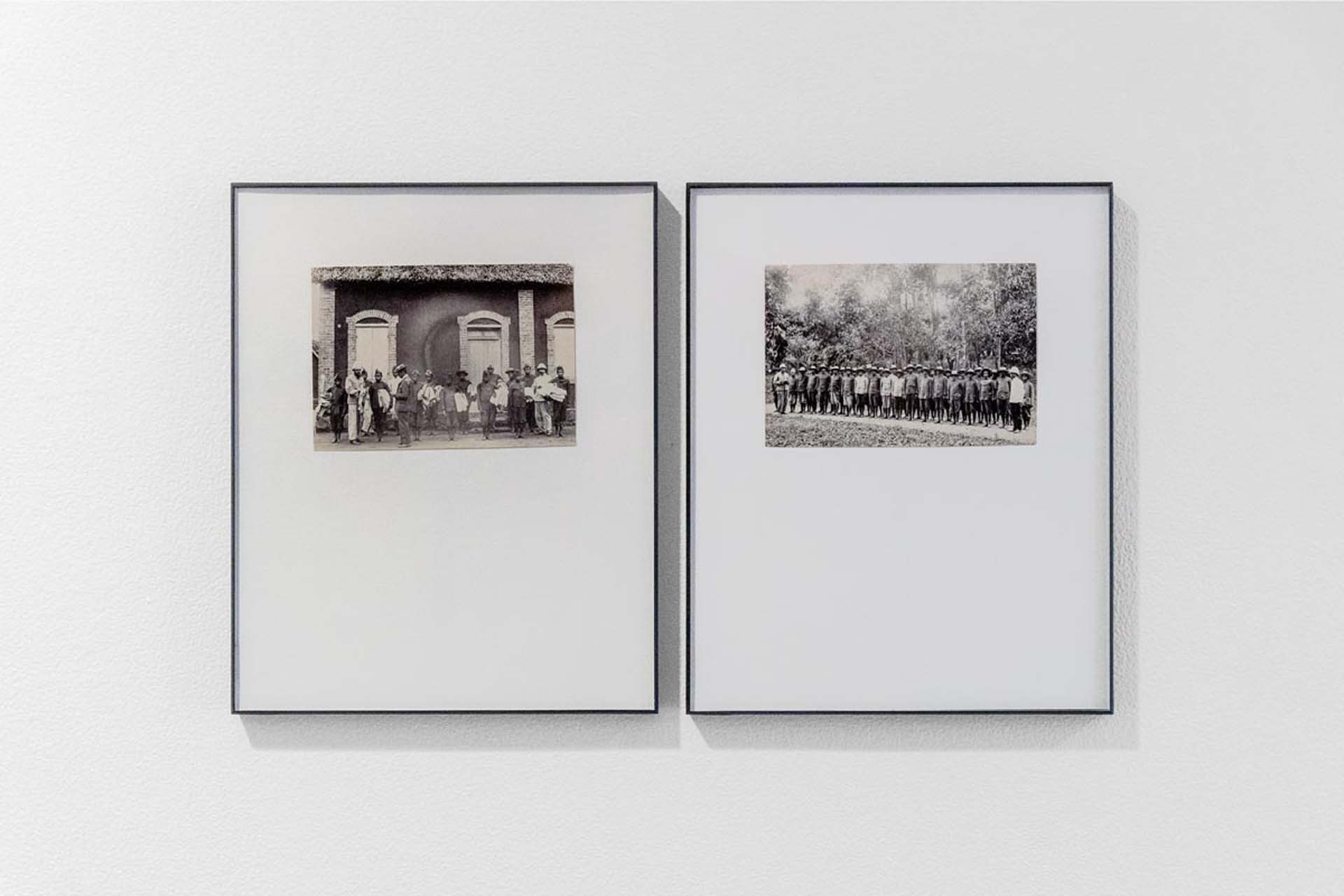
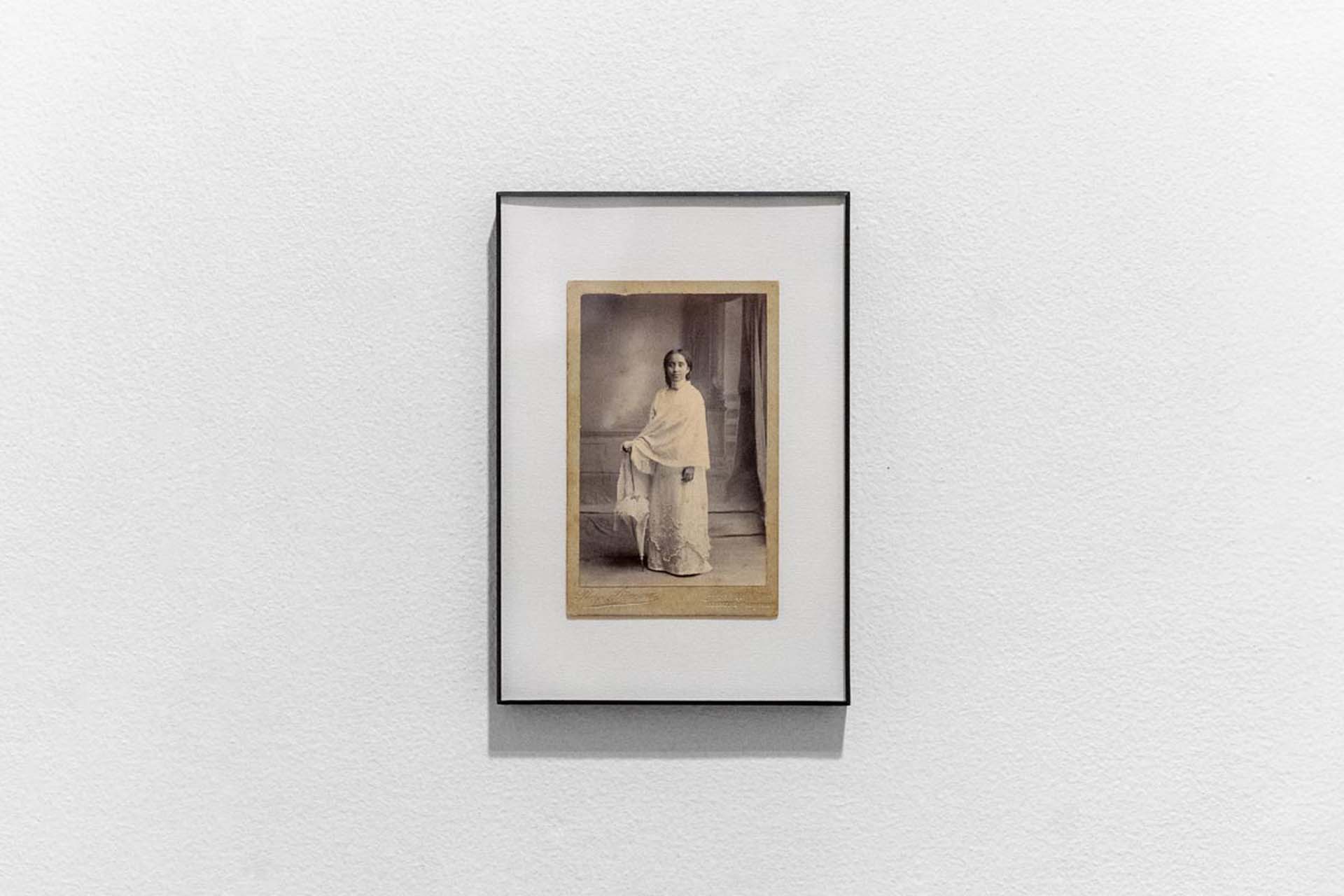
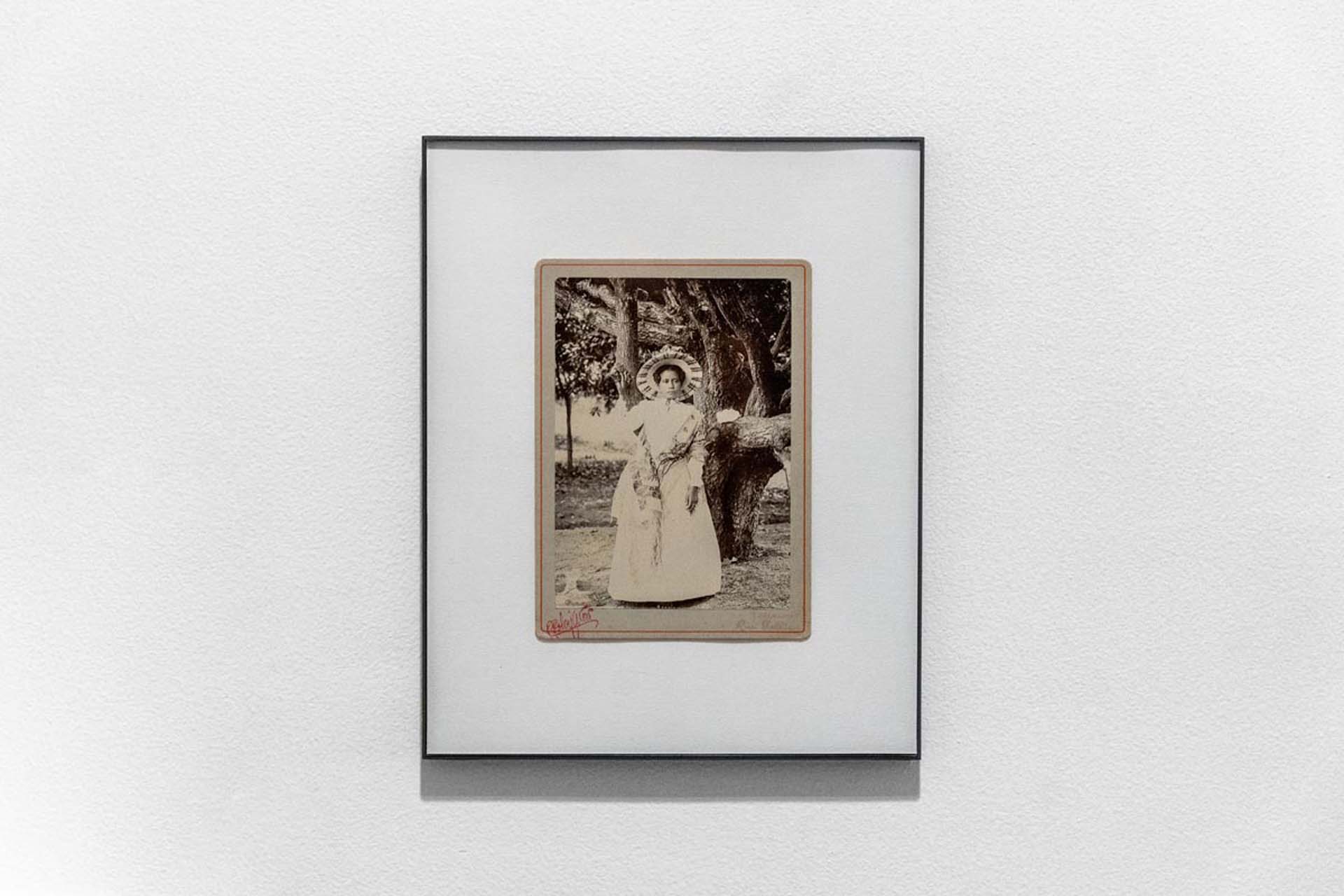
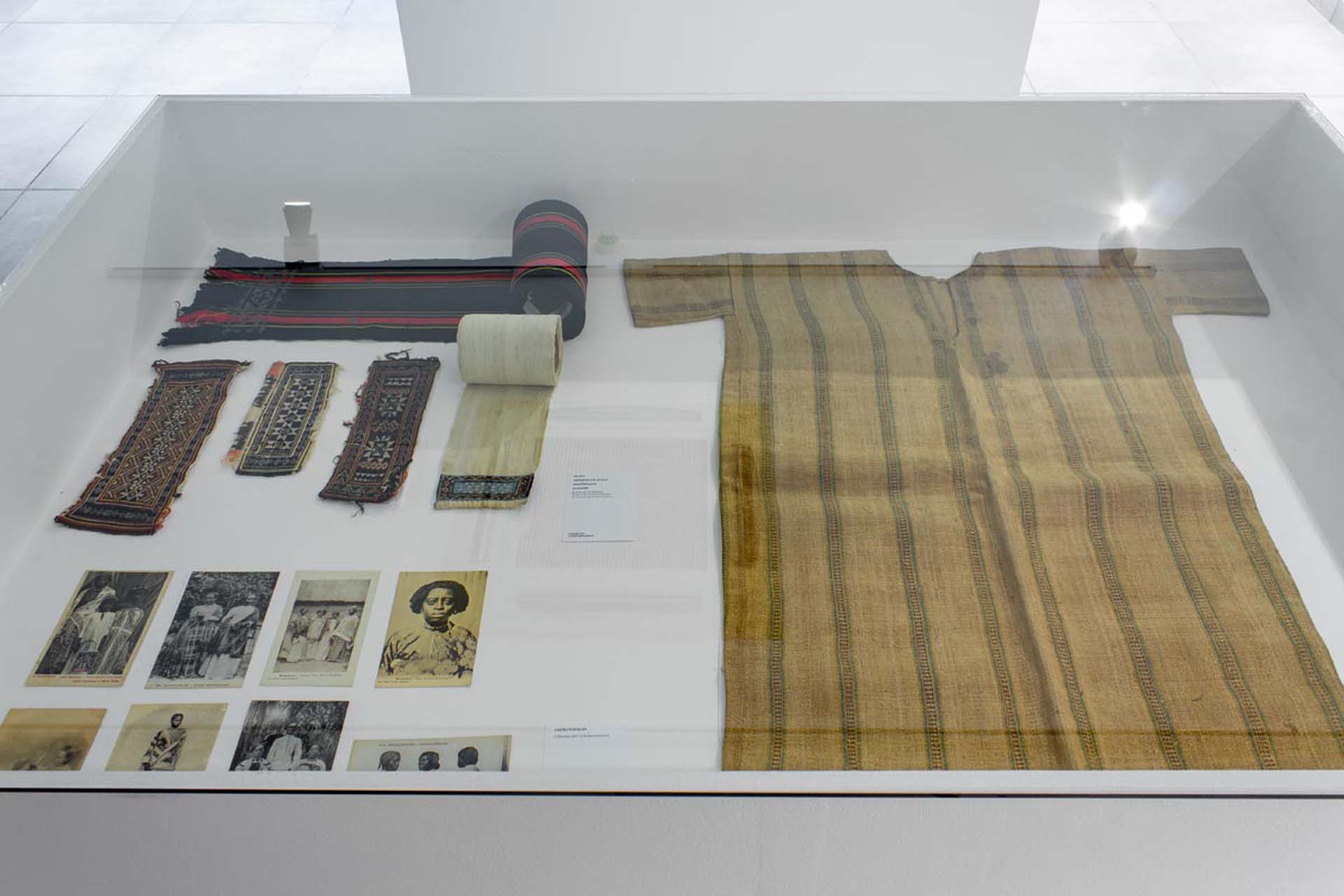
The collective usage of this piece of fabric, observed in photographs dating back to the late 19th century, extracted from the archives of the Foiben-Taosarintanin'i Madagasikara, reflects its immutable place in Malagasy society.
Material, weaving and emotions, a thread crossing through time and all Malagasy geographies
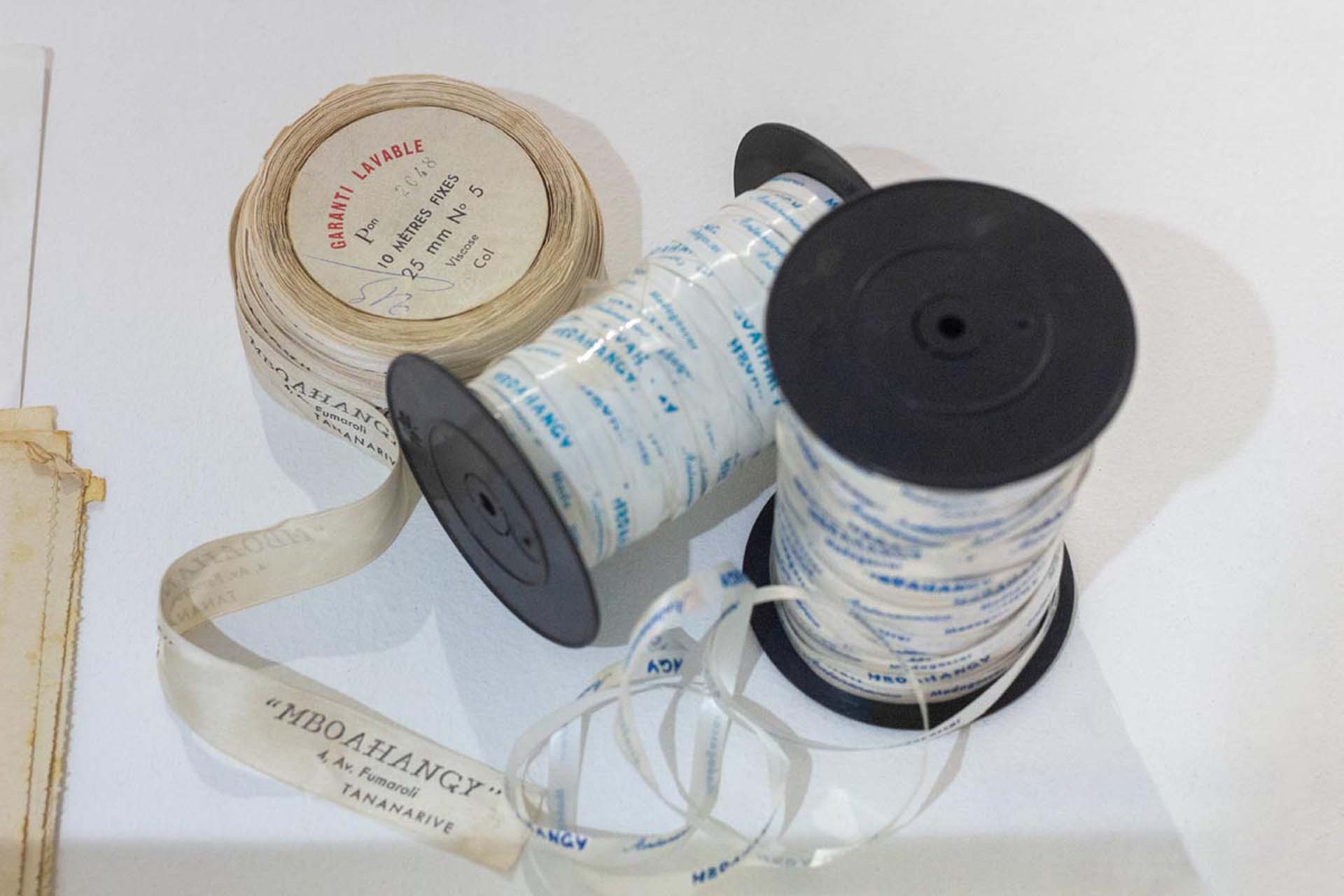
Traditionally woven in an artisanal manner with cotton, silk, or raffia, the lamba adorns the shoulders of Merina women, wraps around the hips of Bara men, and drapes the bodies of Betsileo throughout the seasons. Specific variations of this textile are also shared or offered to symbolize the strength of bonds which unite individuals in various occasions, from joy to sadness.
In resonance with these usages, the use of lamba is equally prevalent in the Malagasy language. On one hand, it serves as a generic term to refer to various everyday textile objects, such as loincloths, tablecloths, blankets and also curtains… On the other hand, lamba is present in popular expressions and proverbs, enriching them by illustrating the importance of fraternity, solidarity, life, love, and faith.
The lamba a premier aesthetic subject as a breath of life and inspiration
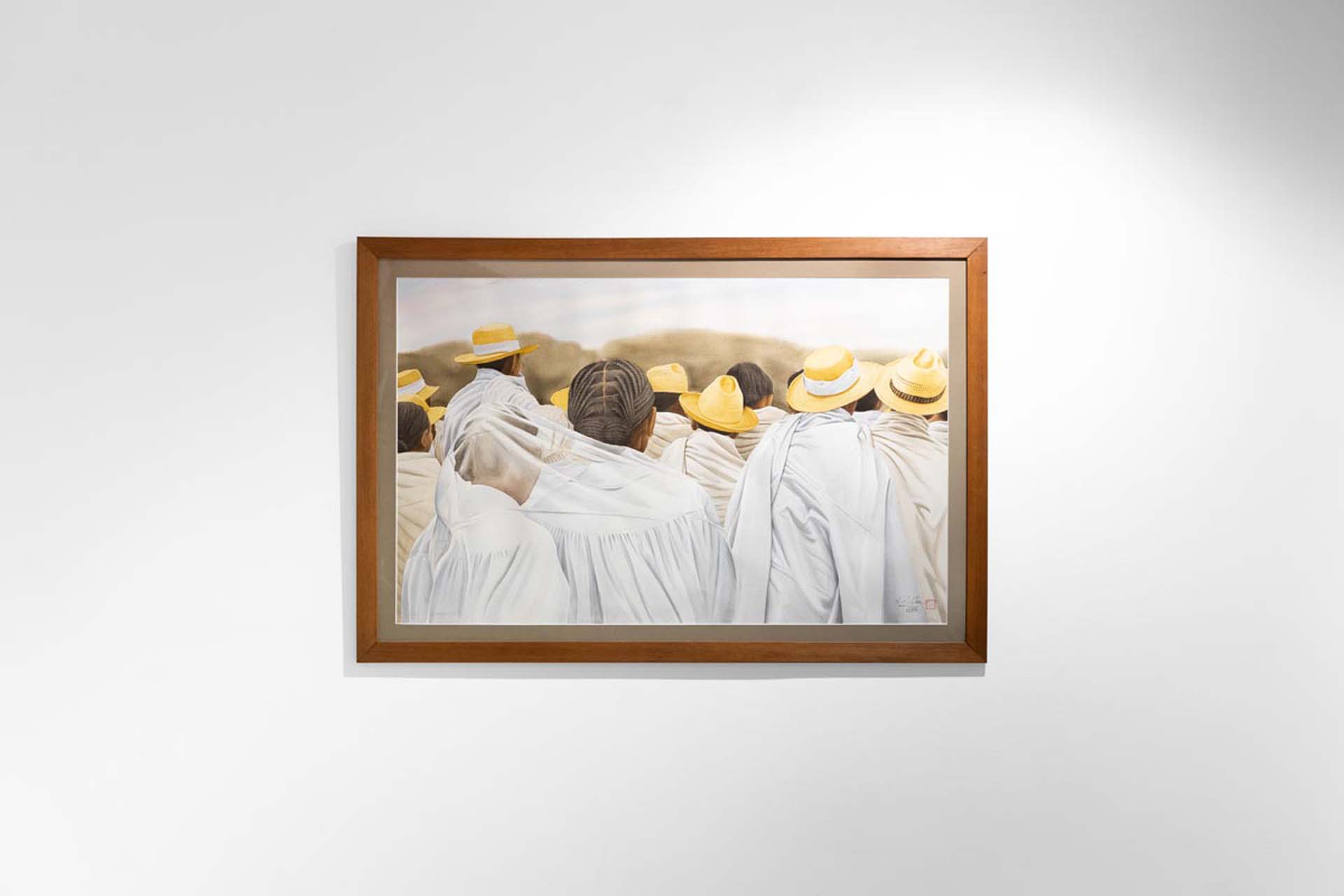
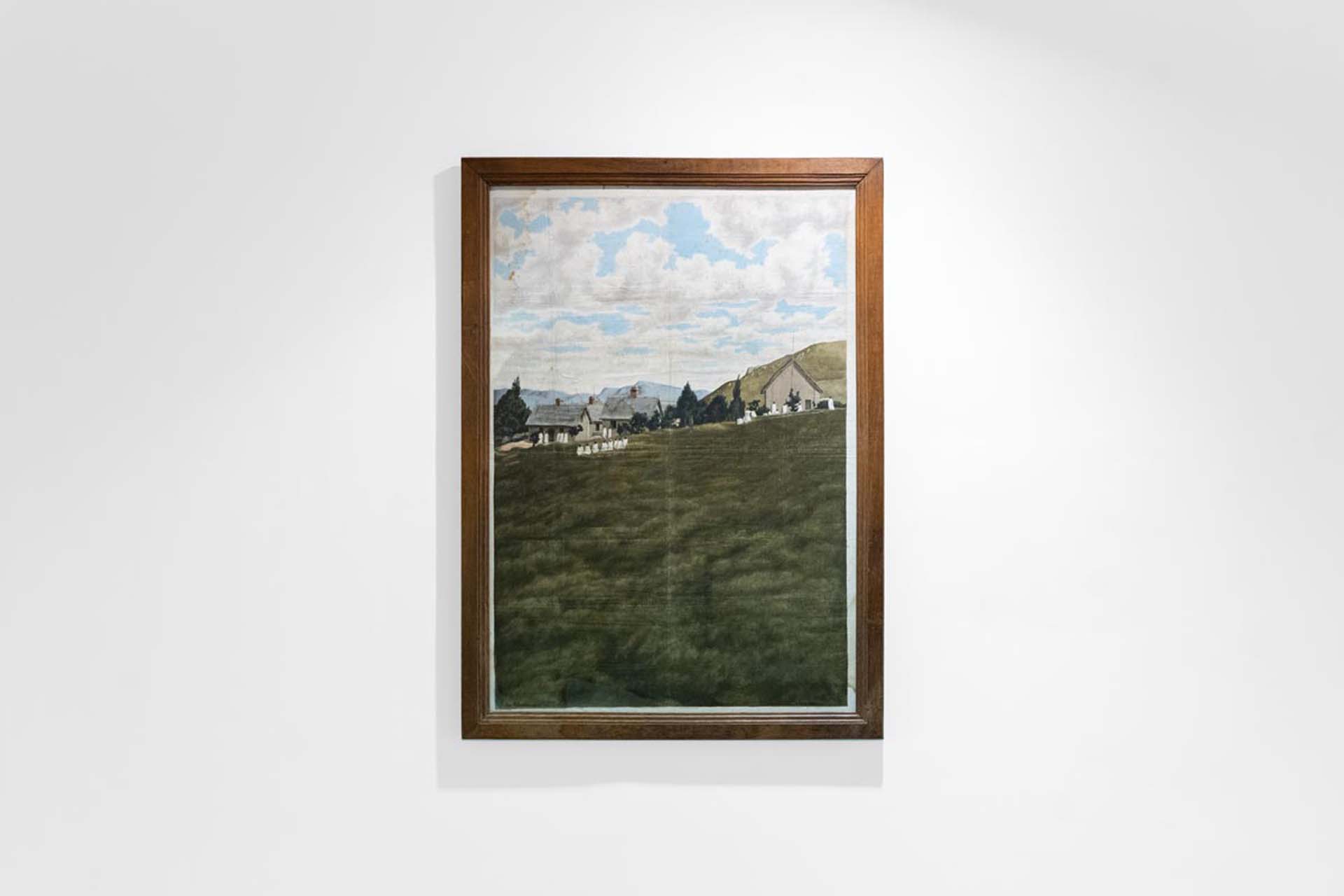
While photographer Kevin Ramarohetra confirms, through his series DORIA, the omnipresence of the lamba in the daily life of the Malagasy capital, Antananarivo, painters Emile Ralambo and Jean Yves Chen have sublimely captured from different angles this enduring relationship with textiles in their respective works. Despite several decades separating these two paintings, which have become classics of Malagasy art, the intention to convey the poetry of the lamba unites them. The first retains its gentle presence in a rural landscape in which the lamba plays a visual intrigue, while the second flawlessly reproduces the details of the iconic white garments of the Fifohazana community.
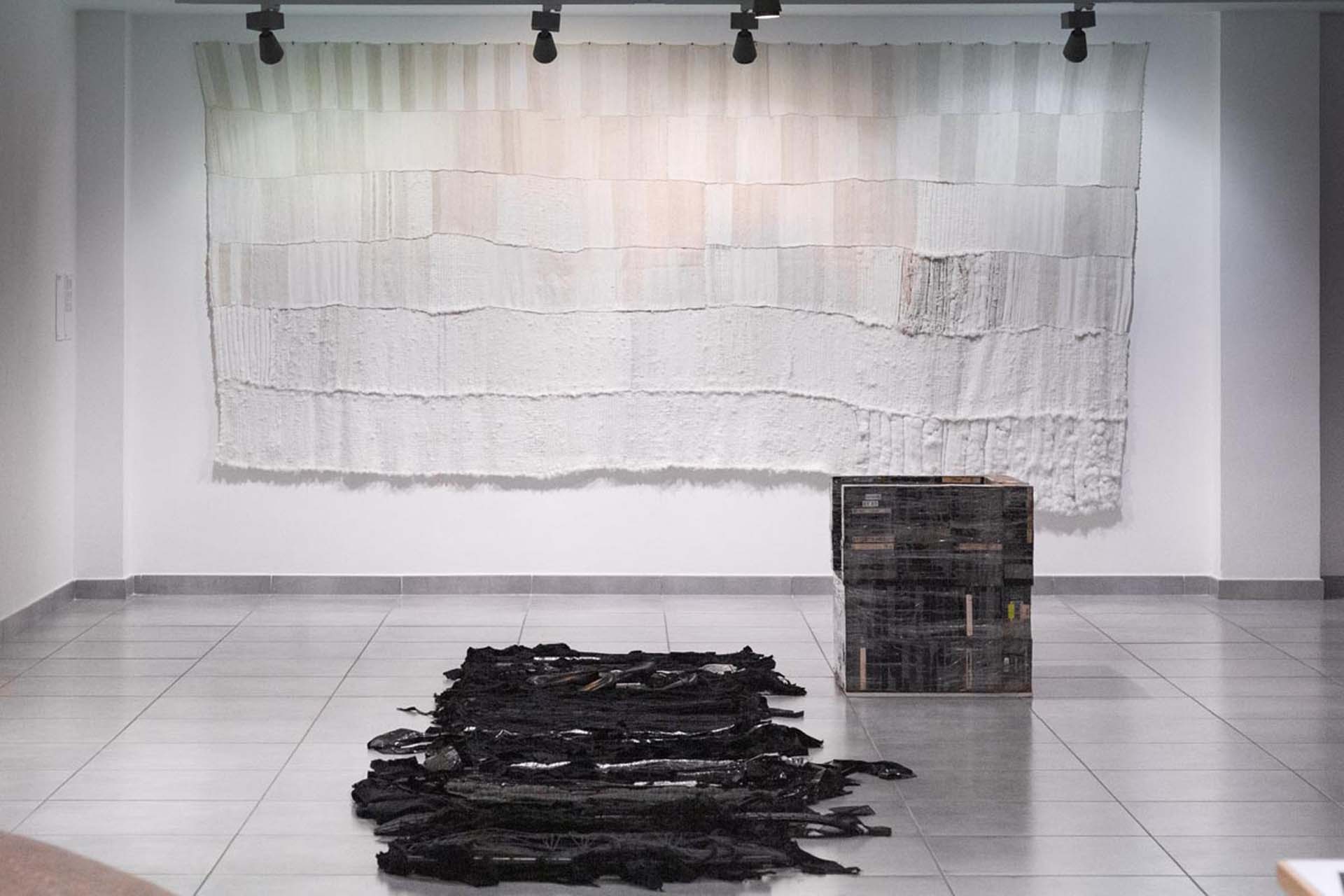
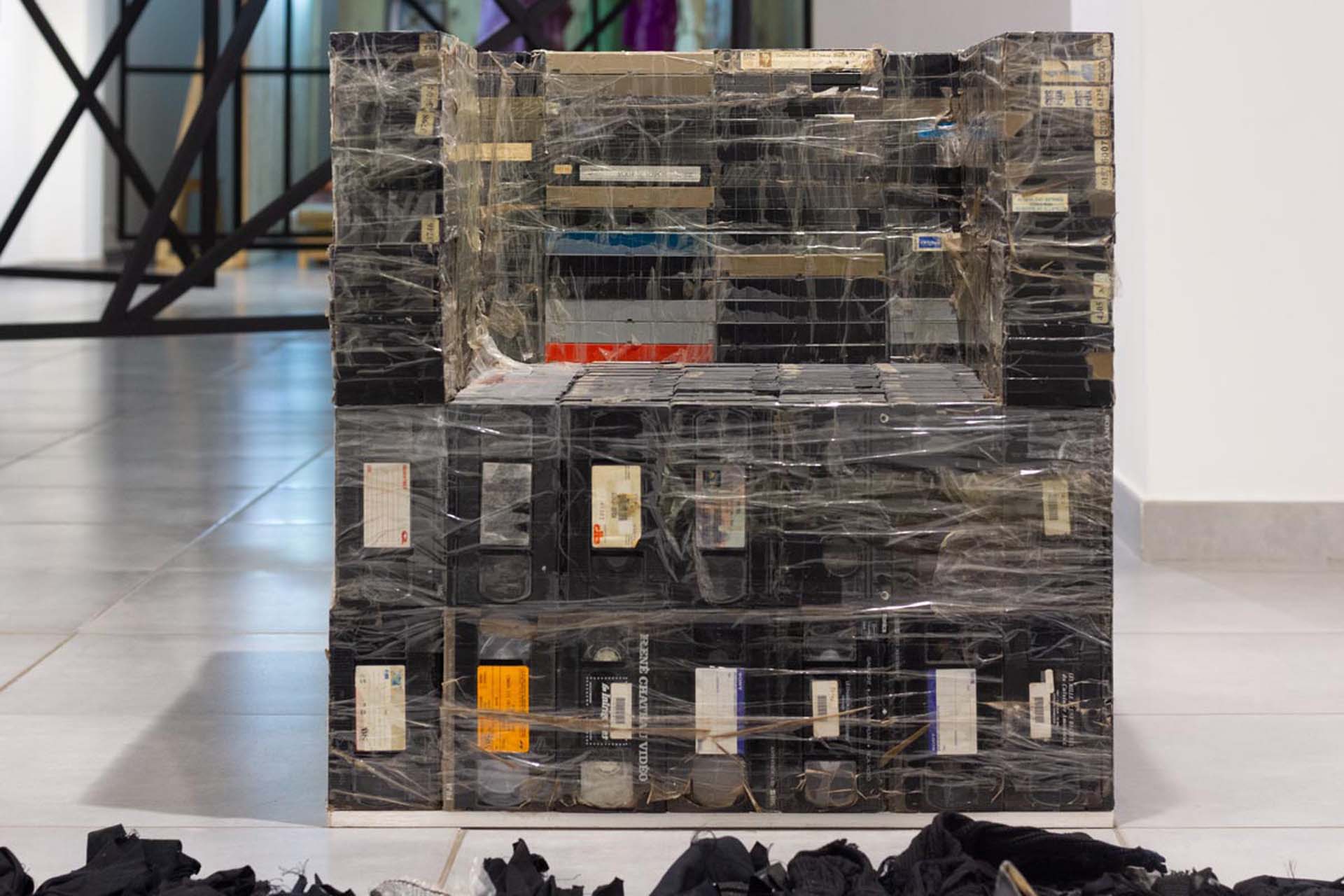
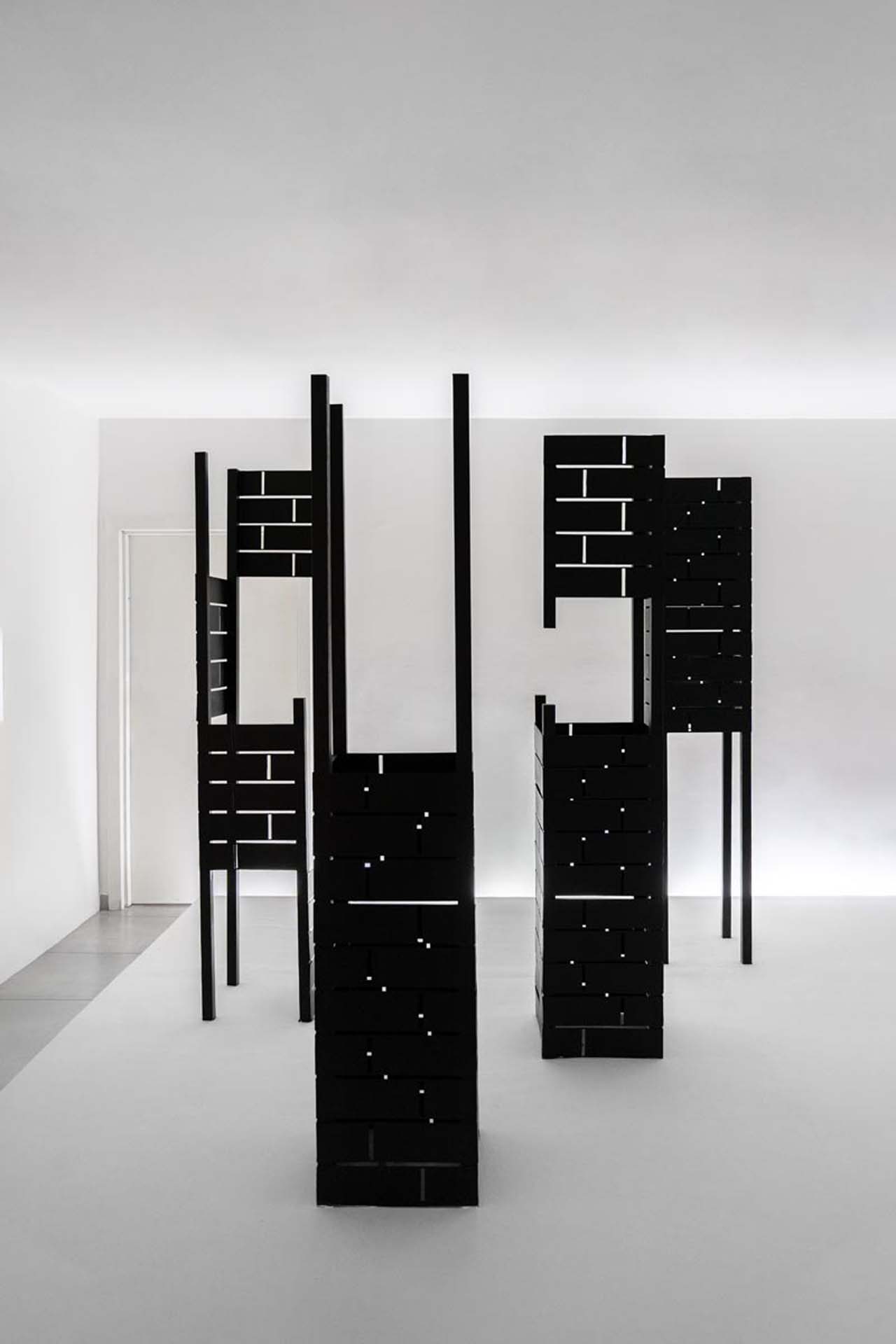
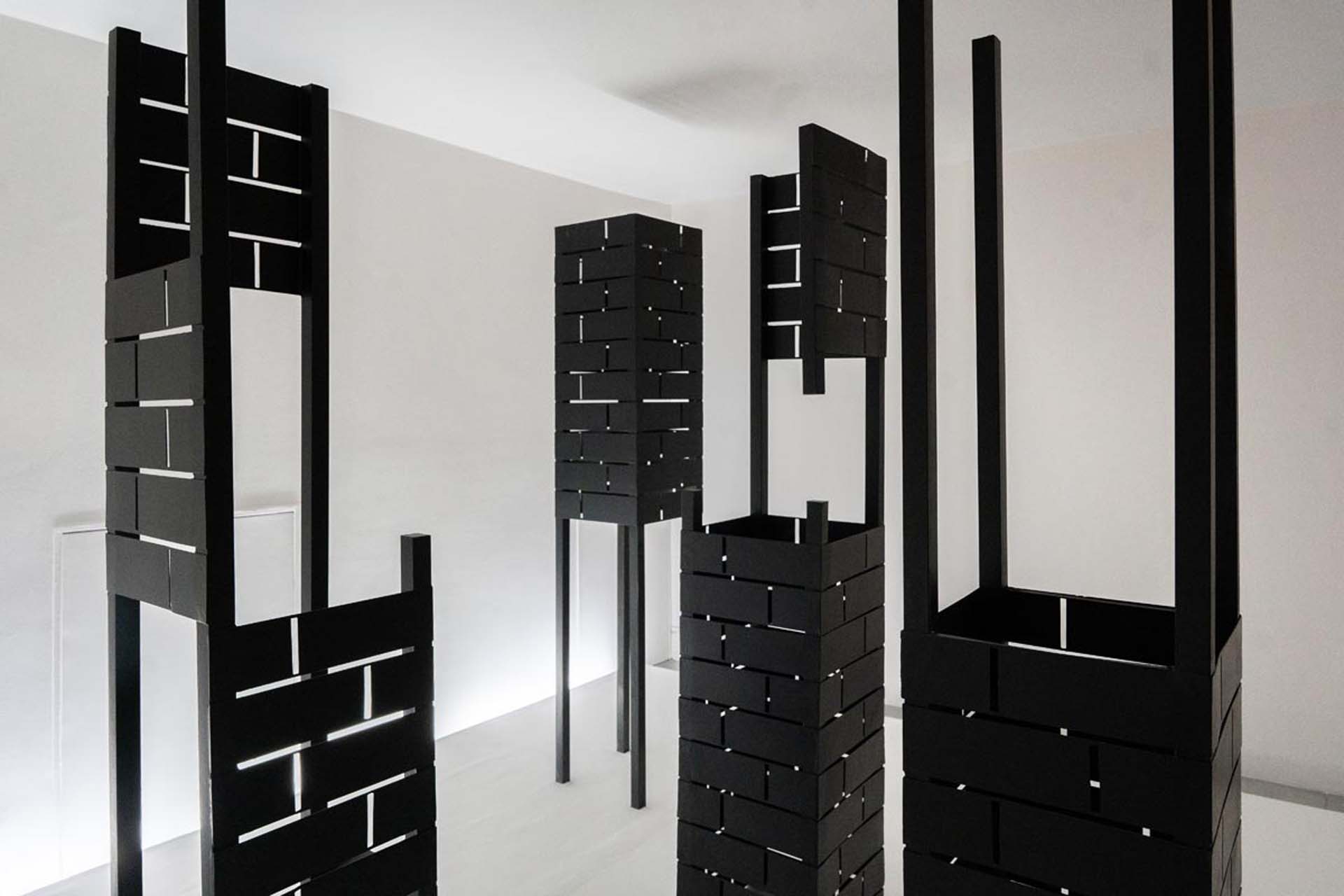
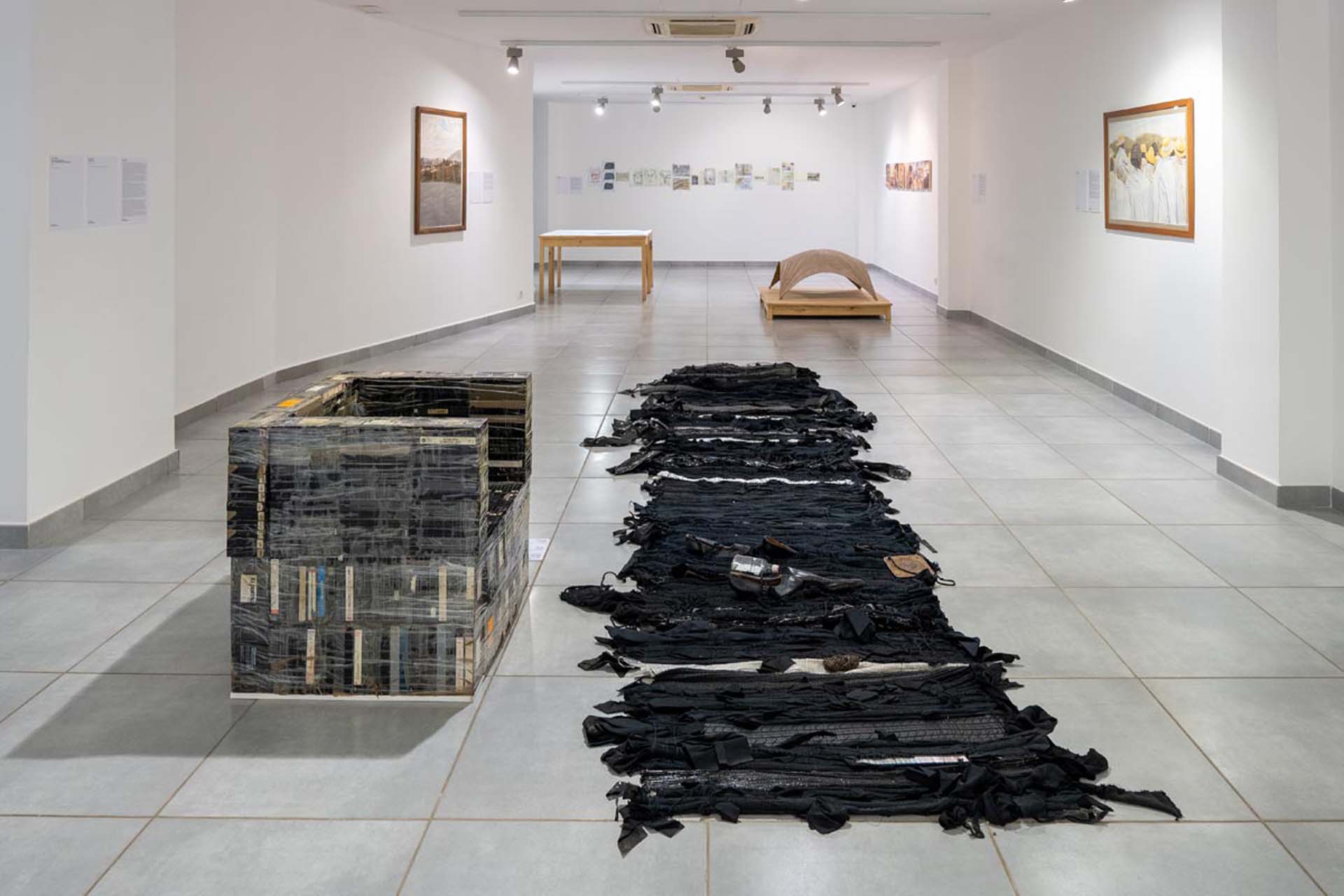
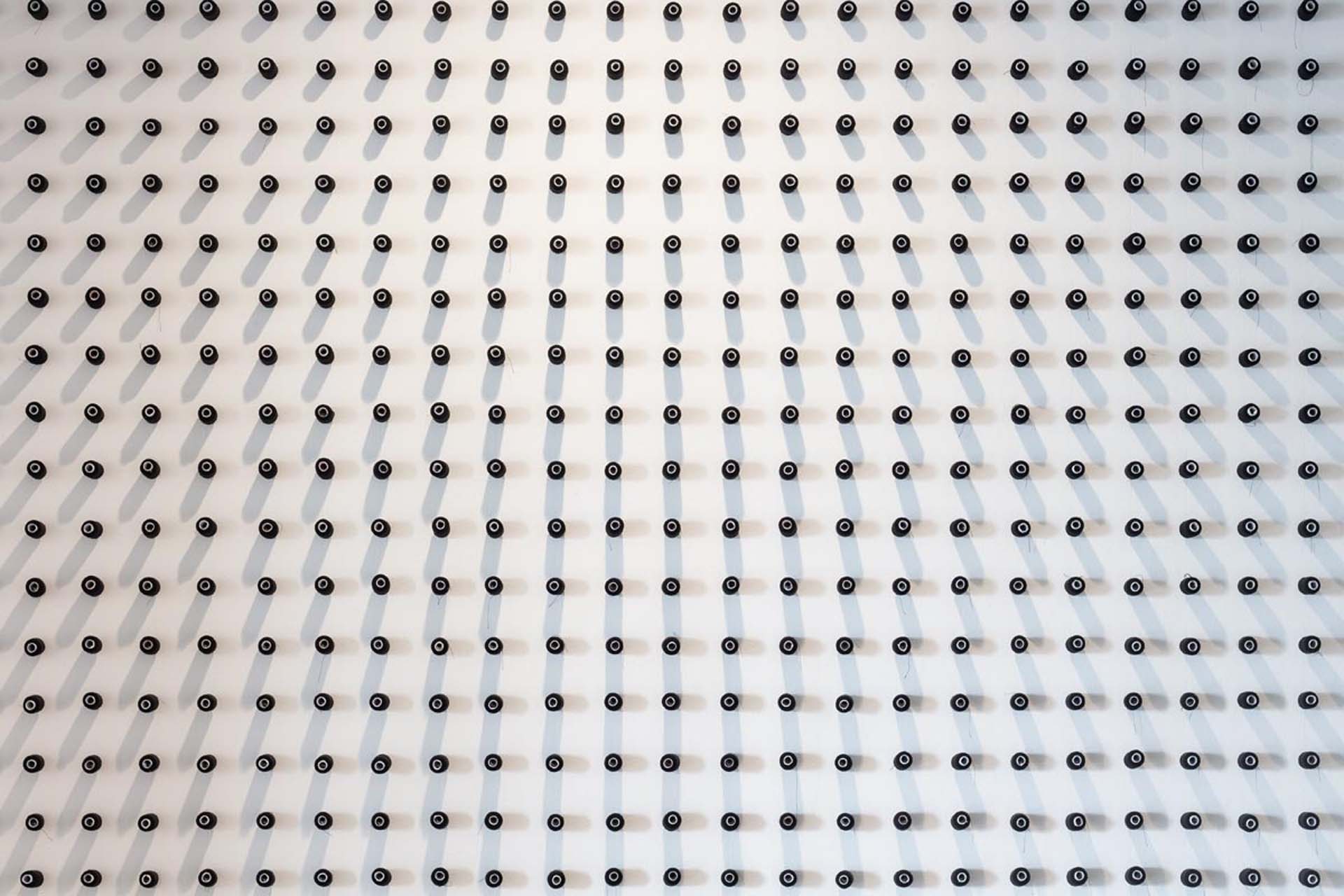
In other artistic proposals, the lamba is a surprising process. Madame Zo, whose weaving practice has been nurtured through a series of experiments, confronts us with the assembly of VHS cassettes turned into furniture. The thread of the movie therefore crosses another temporality.
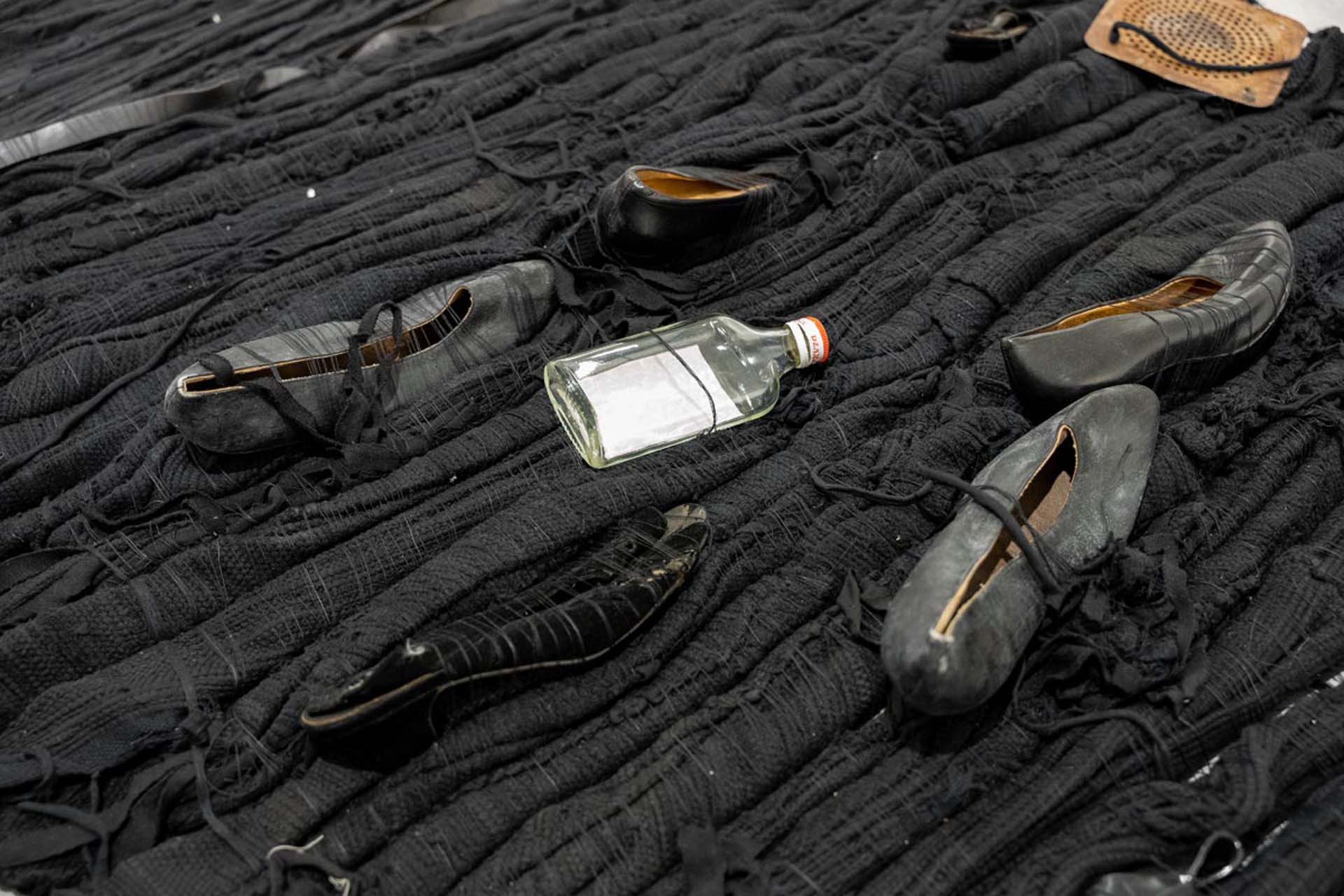
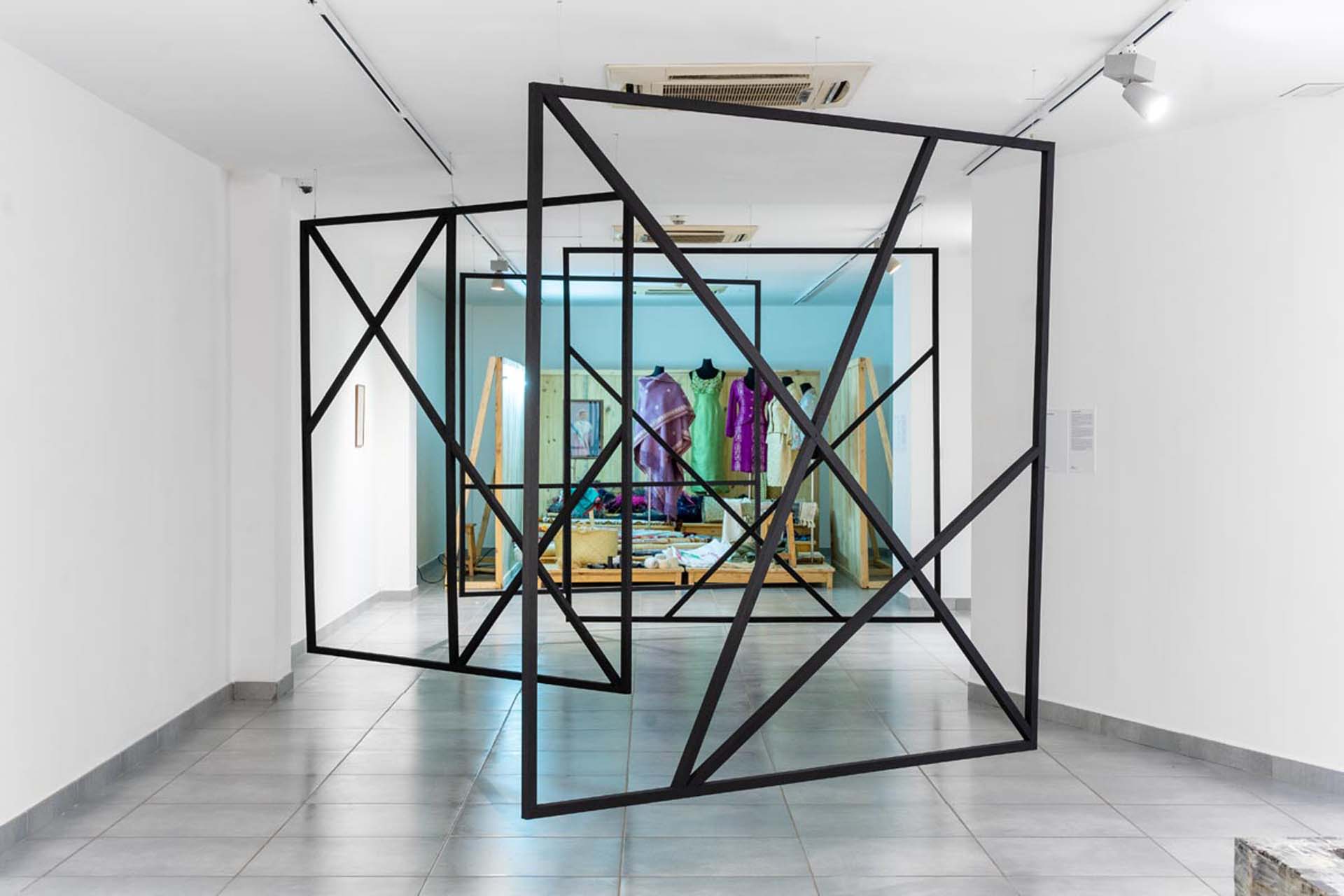
Facing the chair, Joël Andrianomearisoa and Madame Zo confirm through their joint original installation FEHY MAINTY shown for the first time in Madagascar that the textile lamba is a game of the impossible desire … from a life in which the heel pierces the mirror to the thread hanging to shreds of drunkenness.
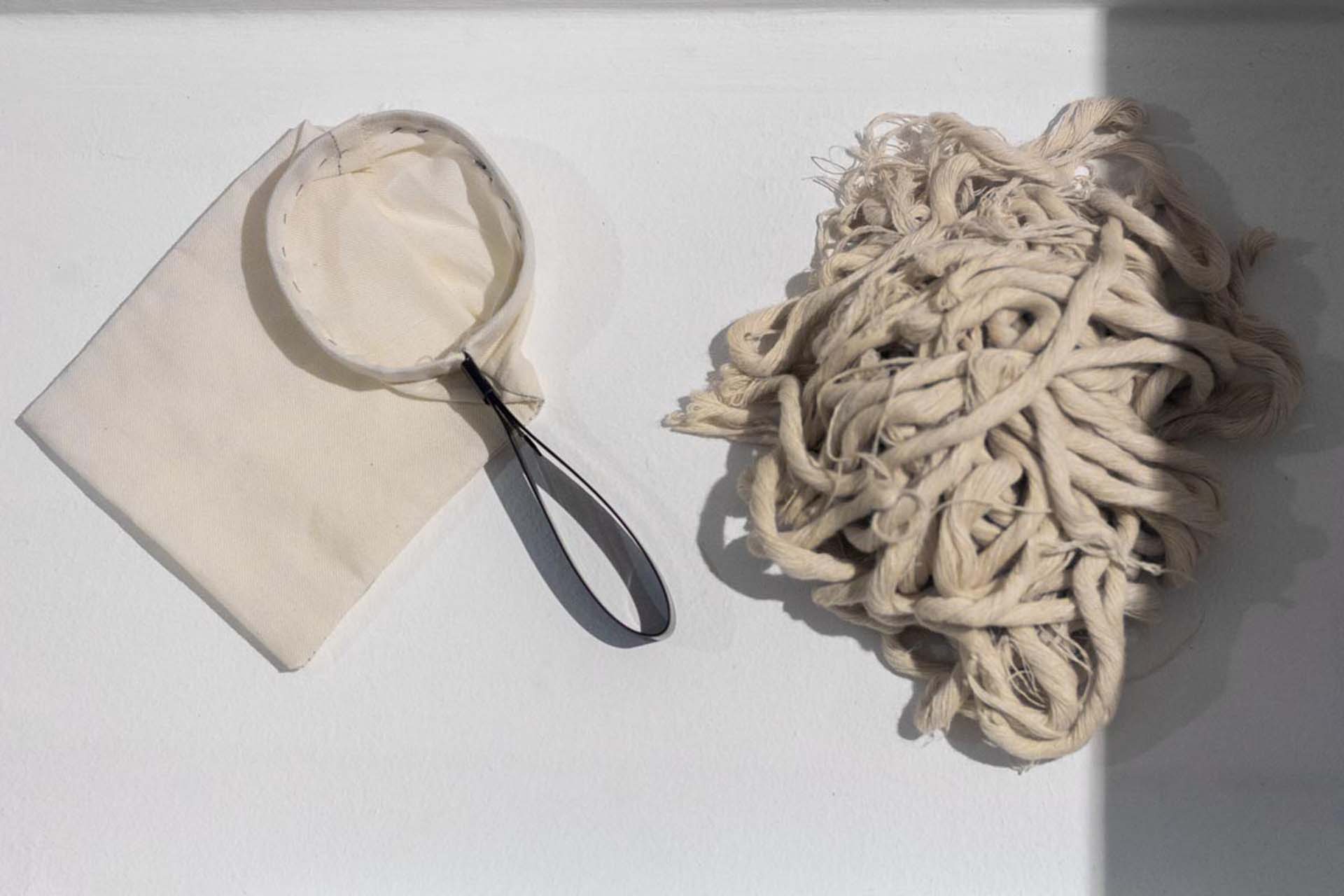
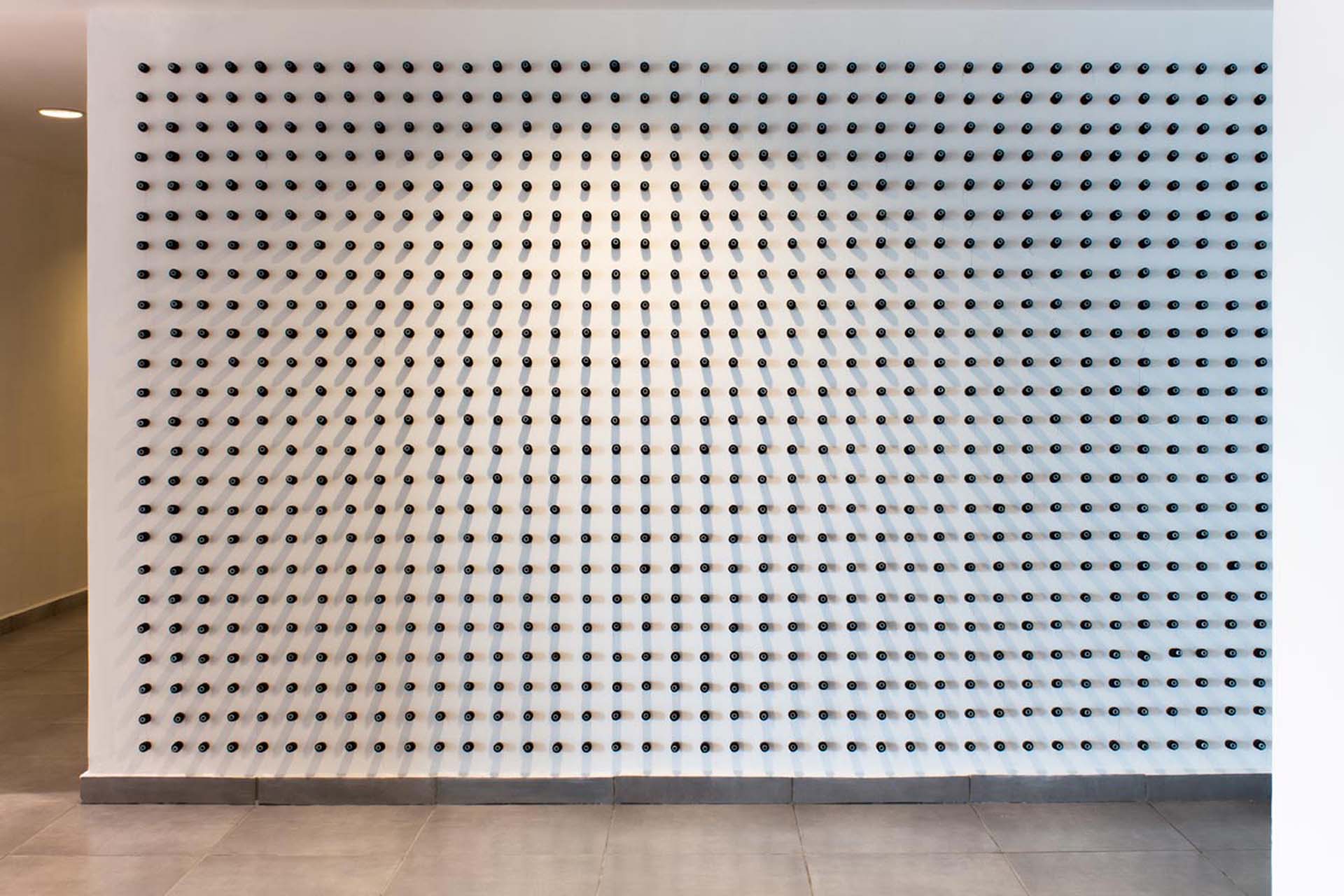
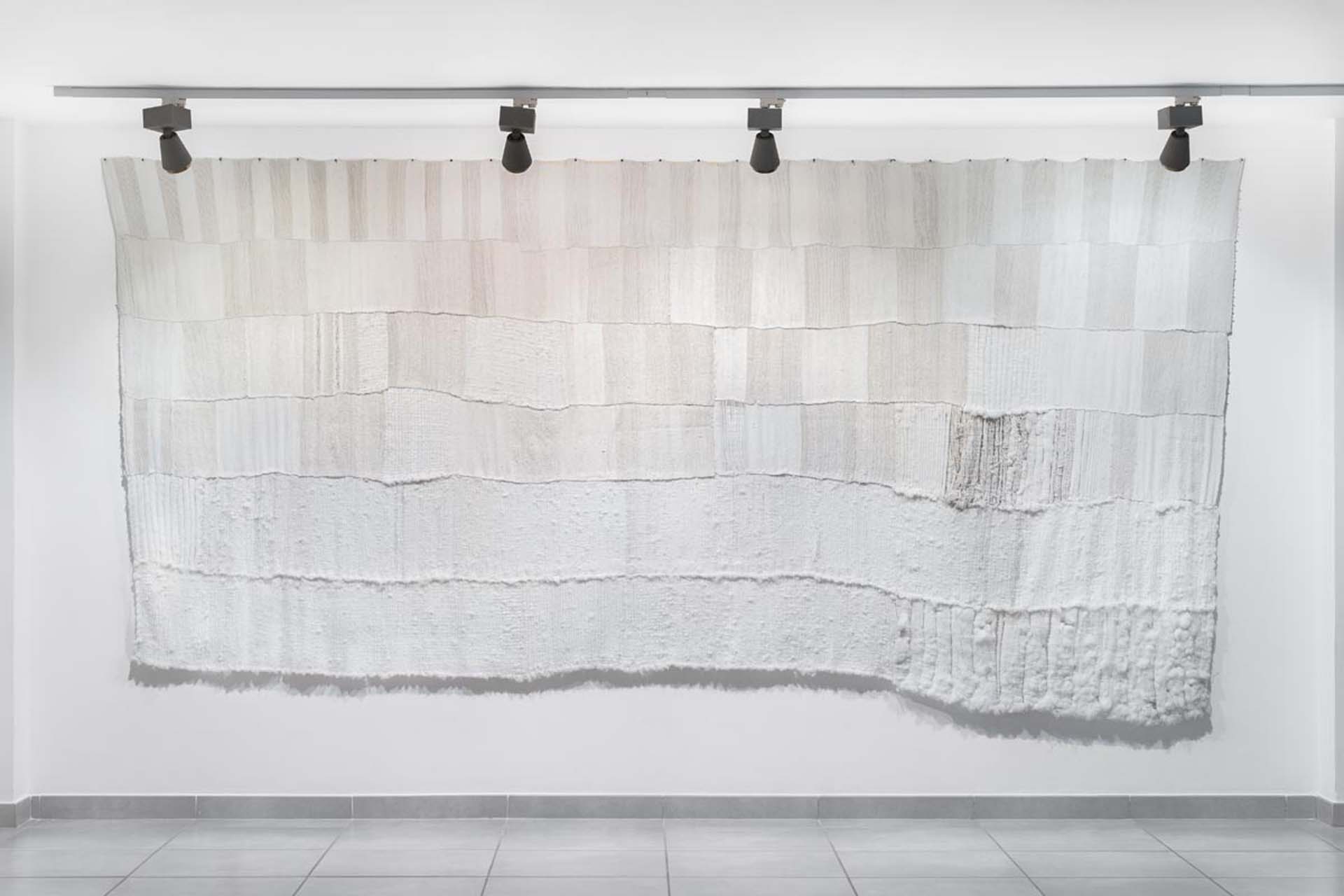
These projects respond to the bemiray (patchwork) chapter of the exhibition. The lamba thus becomes assembly and memory to question an identity both personal but also communal. The technical aspect found in Sandra Ramiliarisoa's creation NY HENDRY NO ANARINA FA NY ADALA NO MANARY LAMBA made from polyfloss illustrates an endless enumeration of ways to twist, weave and knot.
In a more conceptual way, the bemiray nourishes Tsiriniaina Irimboangy's approach in his installation SOMBIN-TANTARA, which brings together various elements taken from his research on the lamba, initially inspired by the vivid memory of his grandmother wearing it according to Malagasy tradition.
Lambam-pianakaviana
What if lamba was the best representation, the ultimate symbol of family?
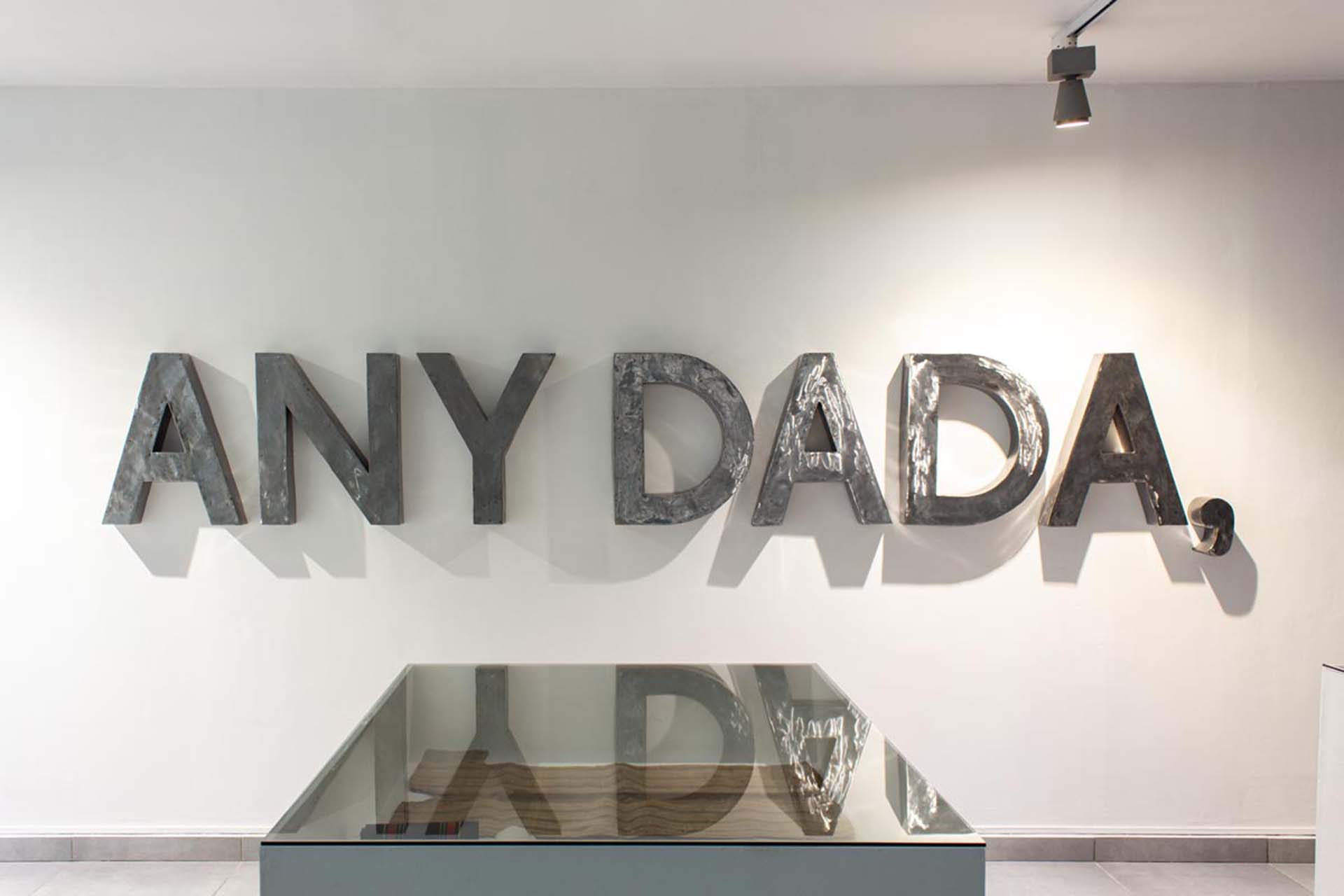
In his installation titled ANY DADA, naming the gone or late father, comedian and actor Gad Bensalem deconstructs the lamba and unravels its threads to narrate the story of young Doda in his quest for identity, recalling the memory of the women who raised him and the father he has never known. Still within the realm of family, but in an architectural approach, visual artist Nadia Randriamorasata traces her genealogy and reconnects with the history of her origins in the creation of her piece 1997: she decides to erect an architectural ensemble as a tribute to family figures, notably her father, who now belongs to the world of the ancestors.
Izay sahy maty ihany no mifono lambamena
In Malagasy culture, the lamba is one of the symbols that link the world of the living and the world of the dead: death is conceived not as a definitive end, but rather as a transition to the sacred space of the ancestors. Echoing this belief, the duality between life and death is evoked in the works of two visual artists.
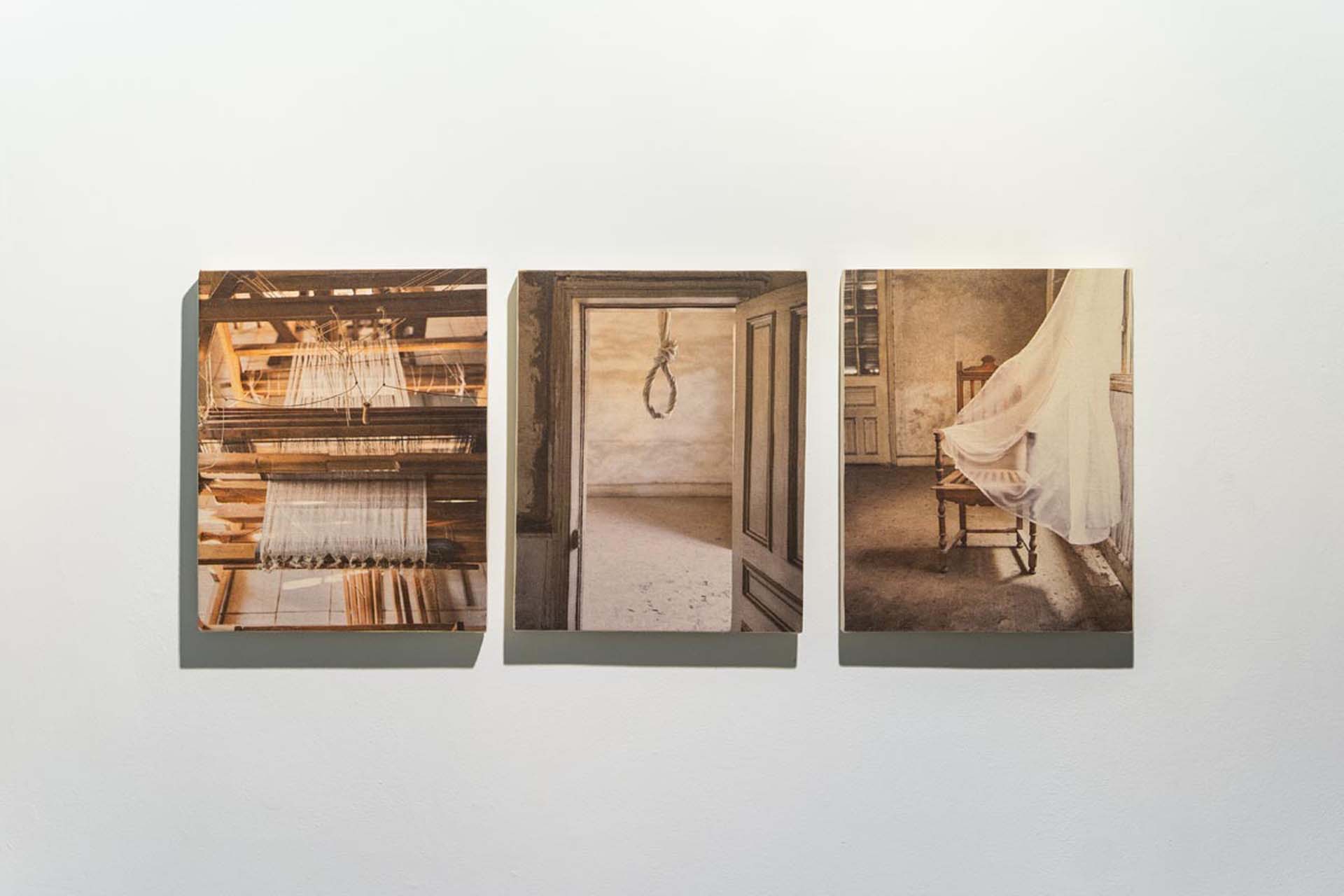
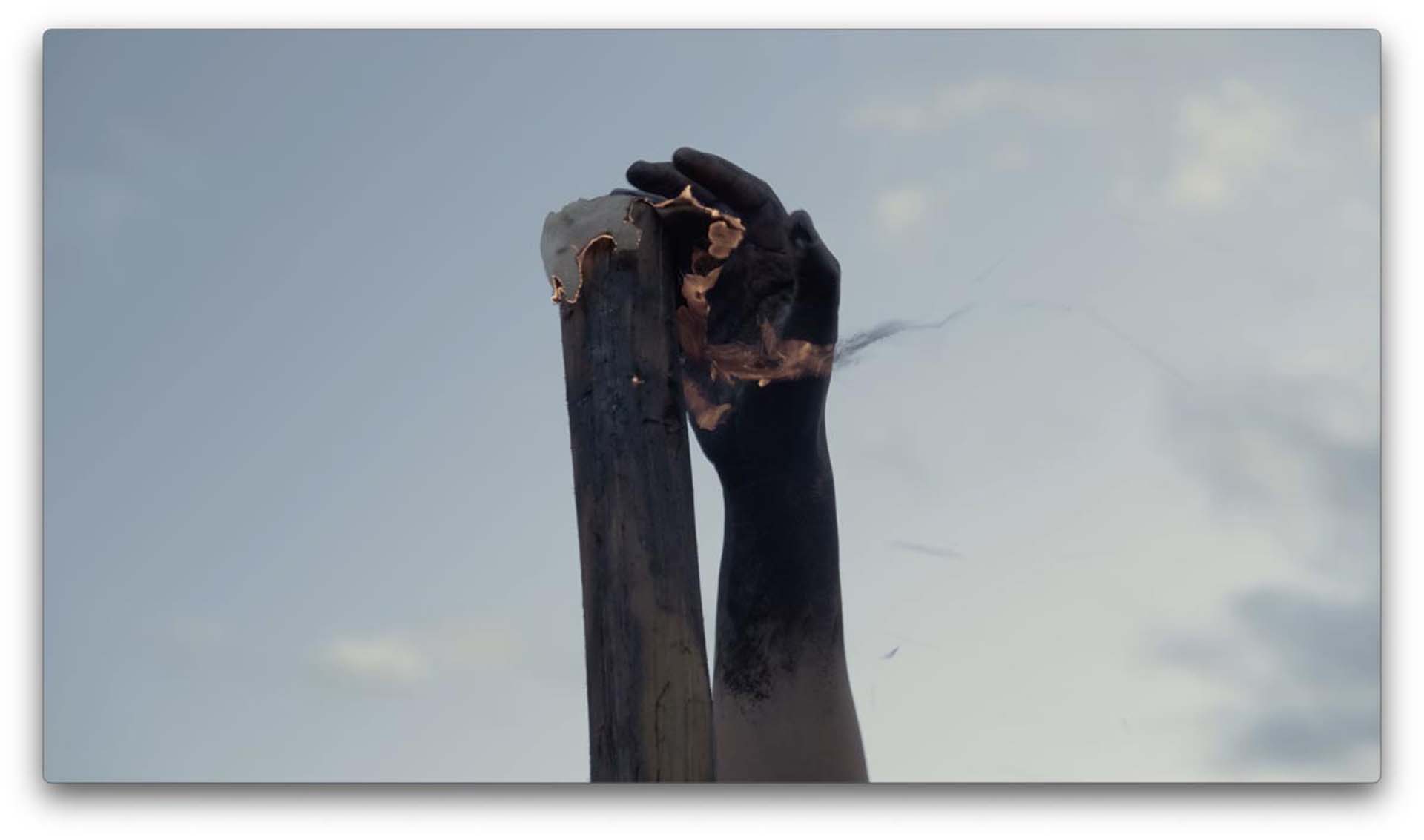
Christian Sanna's photographs claim how textiles can be both a garment of sensuality and adornment of worship, while the video piece titled OME by choreographer and dancer Nazaria Tooj expresses the idea of rebirth.
To wear the shroud of our desires and die in the shadow of our hopes.
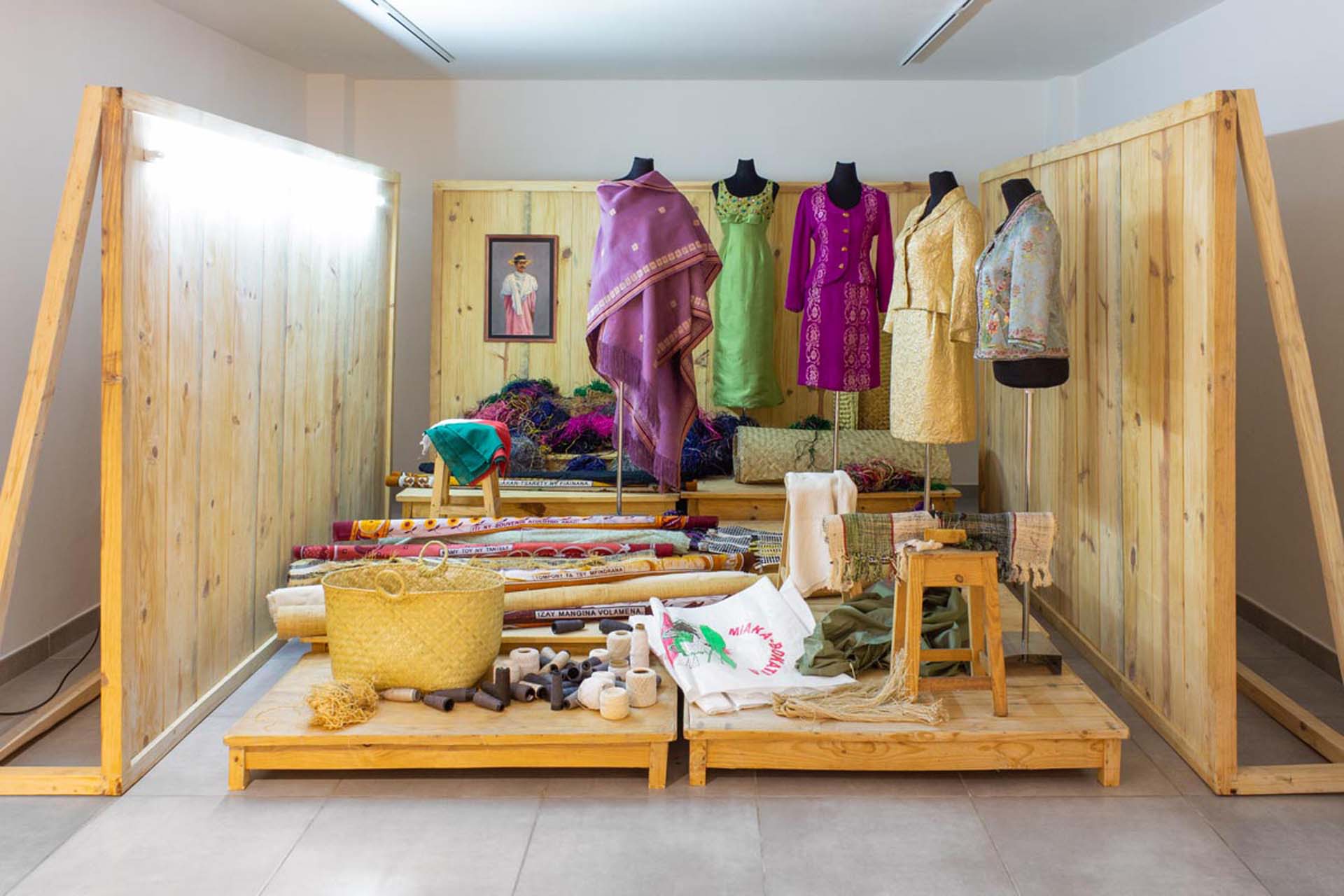
In an imaginary theater, a selection of pieces by emblematic designers illustrates the importance of savoir-faire. Here geography doesn't matter. H. Ranaivo exhumes the traditional shroud to create the tailleur of life.
Christian Lacroix is embroidered by Malagasy hands.
Clée Rabeharisoa and Charlotte Razafindrakoto, following their respective experience at Christian Dior and Balmain, dress the high society of the Highlands.
In resonance with these textile creations, the elegance of the subjects wearing the lamba, as captured by Ramilijaona and Rasolonjatovo in their photographs, testifies to the sophistication surrounding this traditional attire.
Beyond the process of shaping, the lamba slips into whispers for our souls.
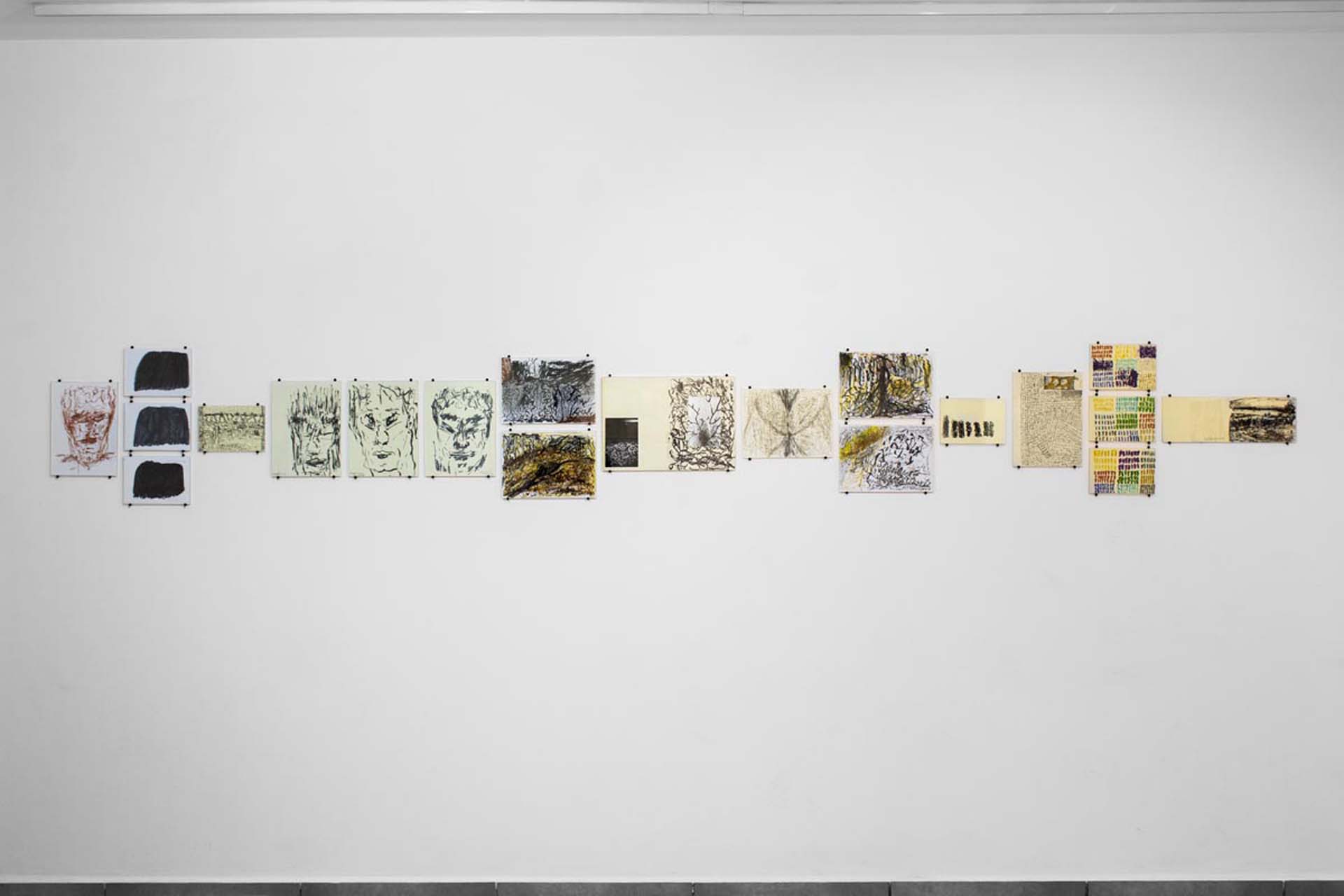
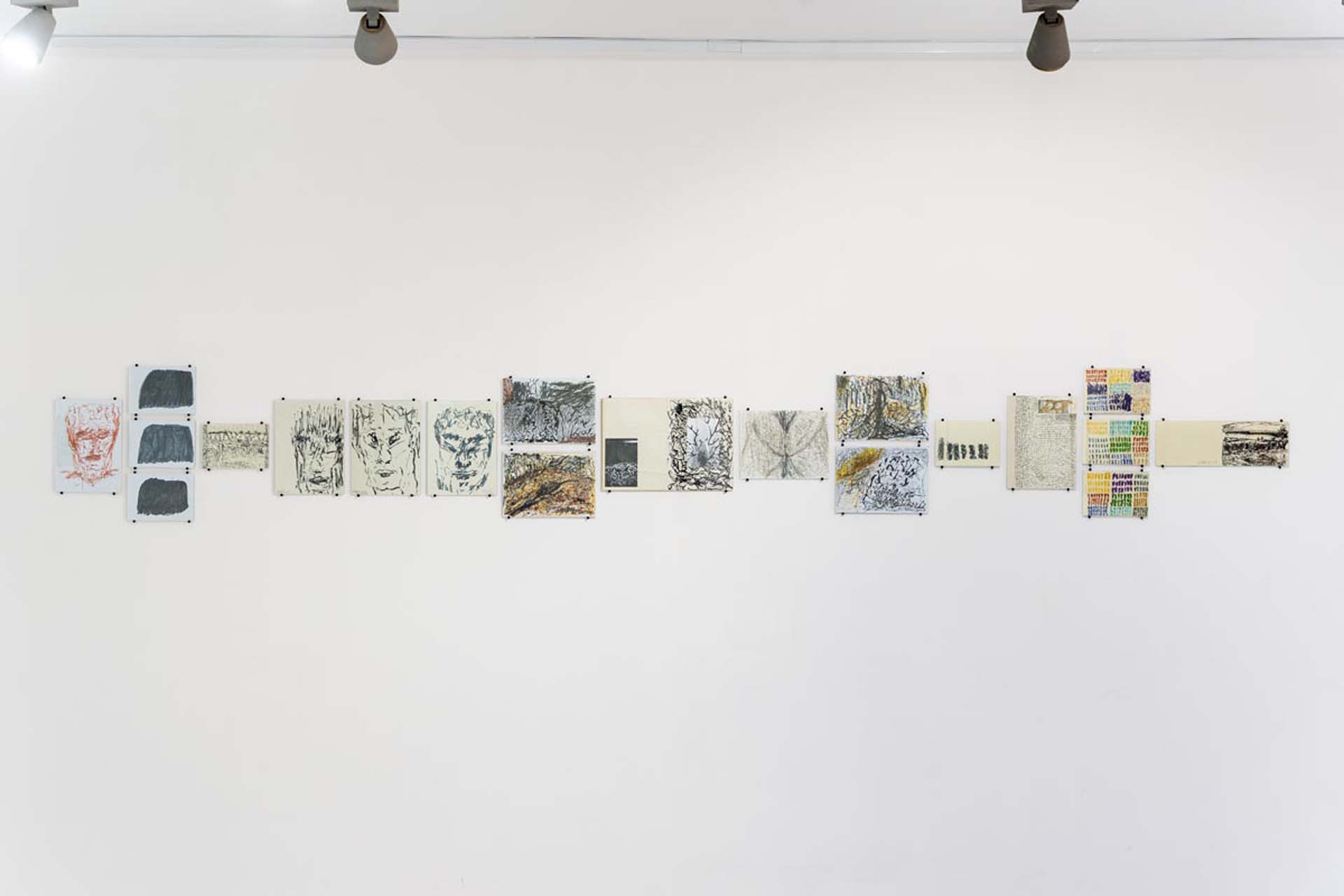
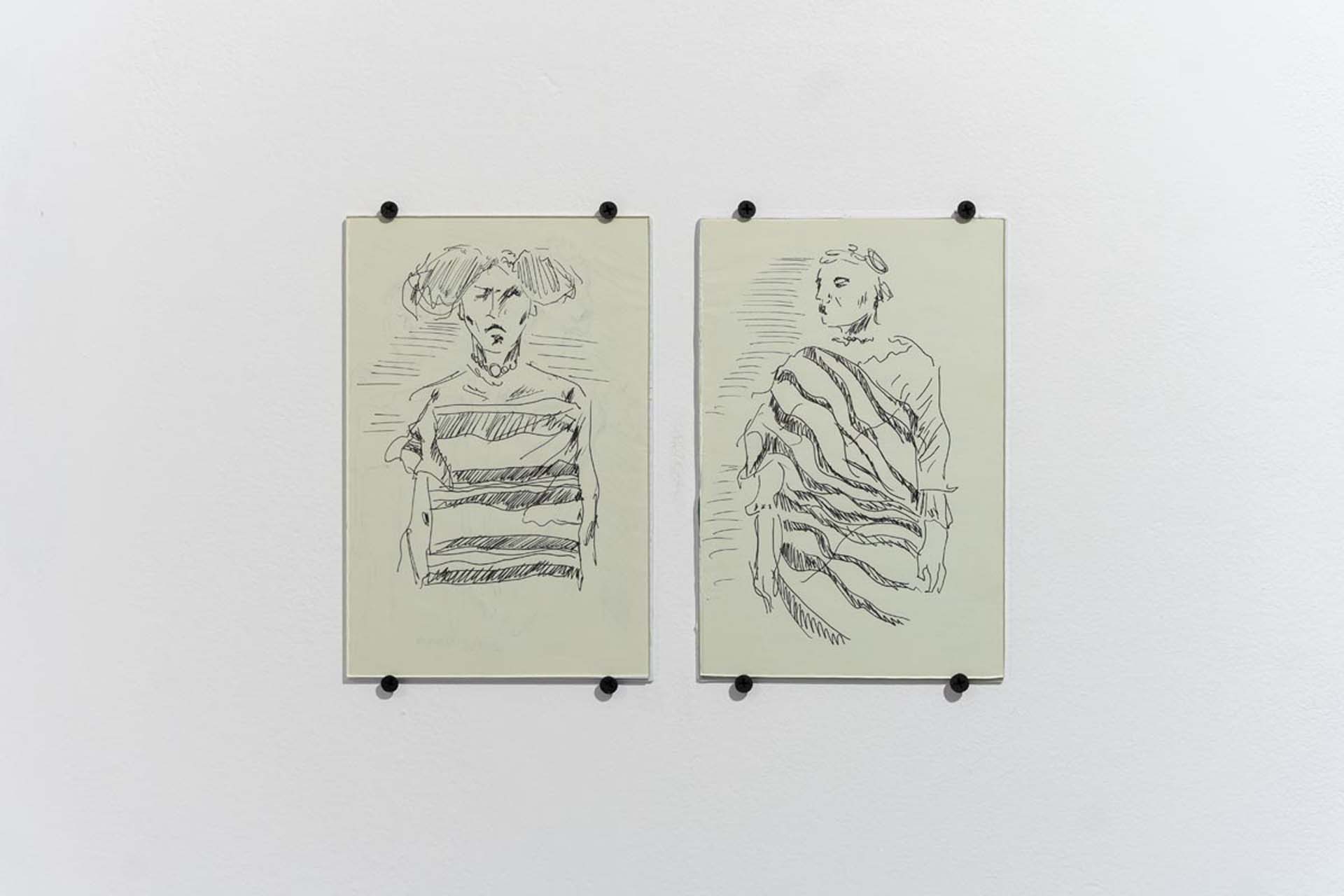
Writer Jean Luc Raharimanana weaves his memories, thoughts, and emotions into his novels, short stories, and essays. Far from the literary work we might have expected, the author of "Rêves sous le linceul" and "Tisser" presents for the first time a series of original drawings taken from his notebooks used in the preparation of his writings. Humble erasures in which he dresses his drives, undresses the resentments of a society and tears the veil of uncertainty.
… and I am crazy about you with your white lamba
And when you dance to the party
You make so many heads spin with your white lamba
Henri Ratsimbazafy, 1960
From yesterday to today and forever, the destiny of the lamba is envisioned as an endless story. It will keep on captivating, inspiring and serving as a reference, and embracing limitless forms, forever, mandrakizay.
Joël Andrianomearisoa . Ludonie Velotrasina . Rina Ralay-Ranaivo
2023
*Merina: People from the highlands in central Madagascar
**Bara: People from the southern plateaus of Madagascar
***Betsileo: People from the southern part of the highlands of Madagascar
****Fifohazana: Christian community preaching for a comeback of Malagasy origins
*****Polyfloss: woolen thread obtained through recycling plastic waste
Mandrakizay: Forever, pour toujours.